


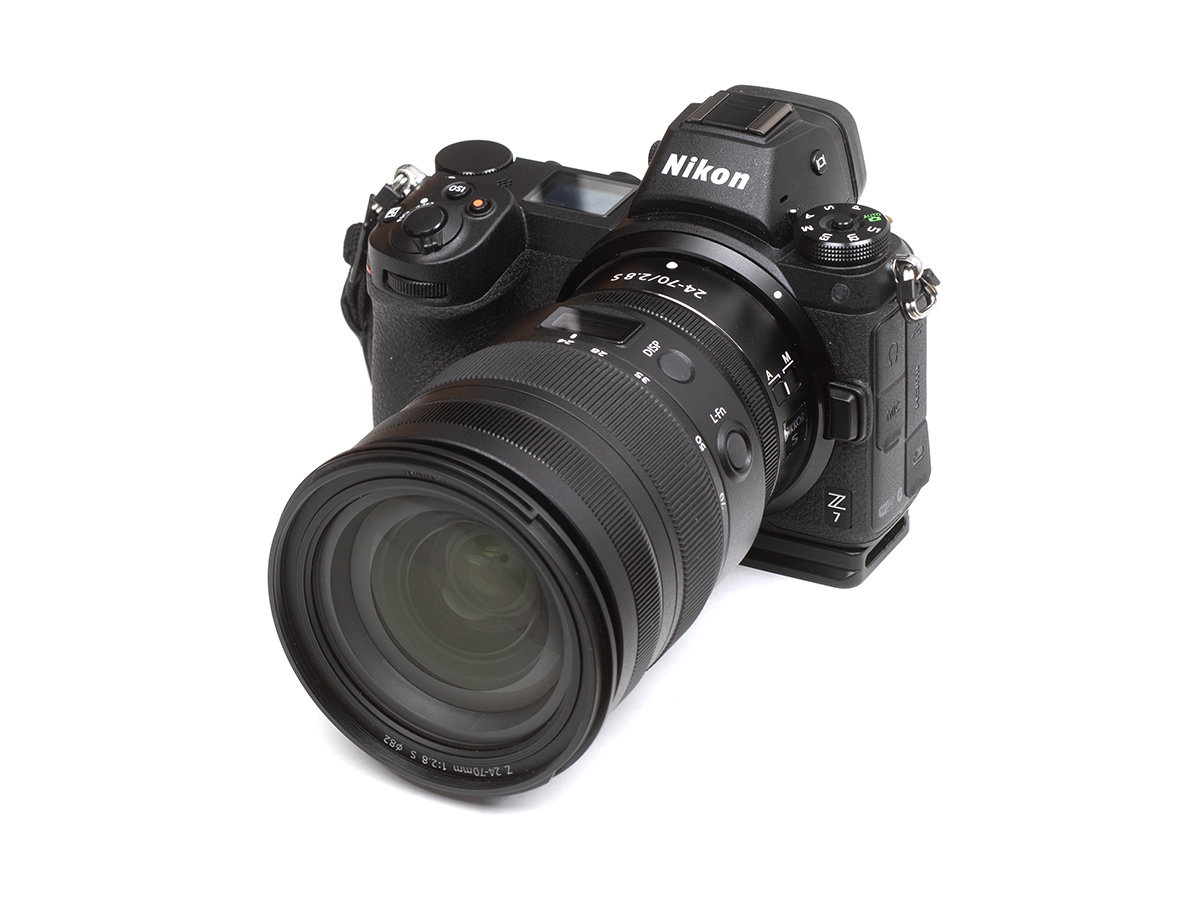
The Nikkor Z 24-70mm f/2.8 S is another lens with old test data in our storage that we didn’t publish so far (for complicated reasons), but better late than never I suppose. Obviously, it is, or was, Nikon’s professional-grade standard zoom lens. Meanwhile Nikon released a Mk II version. However, this older version can still be found new for around $2000 USD at some dealers and there’s obviously the used market.
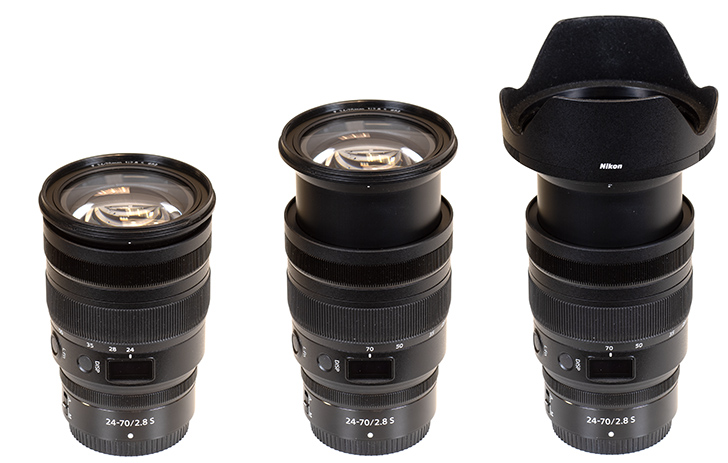
The exterior shell of the Nikkor Z 24-70mm f/2.8 S is based on high-quality engineering plastics over a magnesium alloy structural internal chassis. Typical for most pro-grade lenses, it is sealed against the elements. Unlike the Mk II, it does, however, still use an extending zoom mechanism. Besides the configurable control ring, it features a dedicated focus ring. There’s also a programmable L-Fn (Lens Function) button and an OLED screen that can display focus distance, depth-of-field, or aperture settings. The OLED screen has been in fashion for a little while but the concept didn’t really catch up and was abandoned in the Mk II. A petal-shaped lens hood is part of the package.
The AF is based on a “Multi-Focus System” or, more precise, two stepping motors that drive the two focus groups. This allows for a very fast AF speed despite the heavy lens elements. It’s also basically noiseless.
| Specifications | |
|---|---|
| Optical construction | 17 elements in 15 groups (2x ED, 4 xaspherical) Elements with Nano Crystal Coat or ARNEO Coat Fluorine-coated front and rear lens elements |
| Number of aperture blades | 9 (rounded) |
| min. focus distance | 0.38m (max. magnification: 0.22x) |
| Dimensions | 89 x 126mm |
| Weight | 805g |
| Filter size | 82mm |
| Hood | petal-shaped, bayonet mount, supplied |
| Other features | control ring dust- and drip-resistant |
Distortion
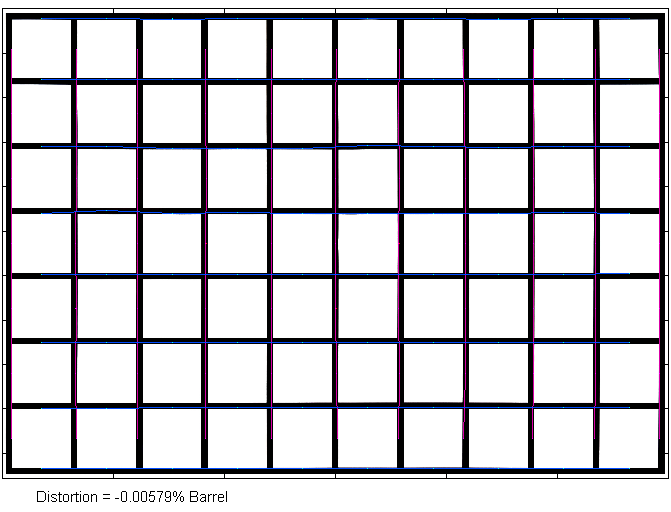
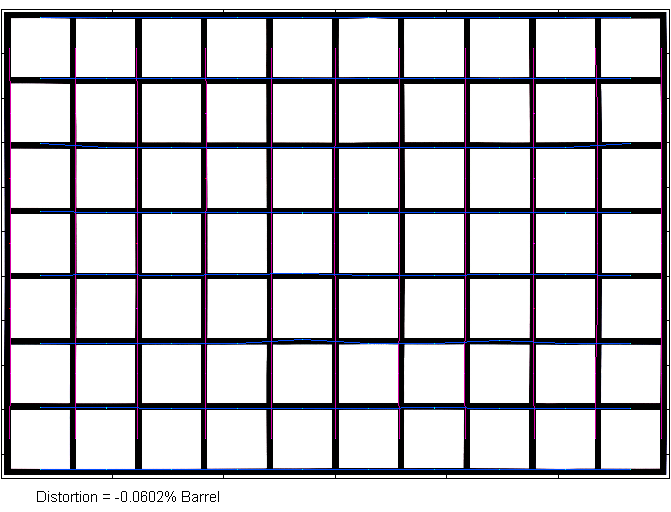
Nikon did a fairly reasonable job in suppressing the original image distortions. At 24mm, we can spot a medium barrel distortion of 2.4% which is low by mirrorless standards. This changes to pincushion distortions soon thereafter. They are mild at 35mm but increase steadily towards the long end of the zoom range and they reach a comparatively high ~2.5% at 70mm.
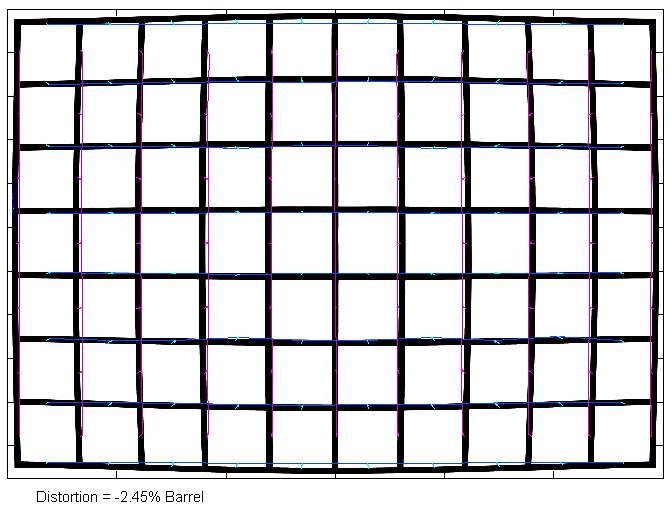
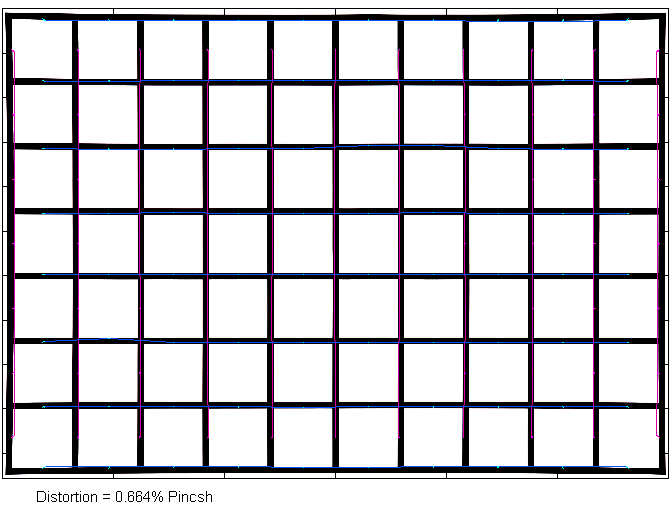
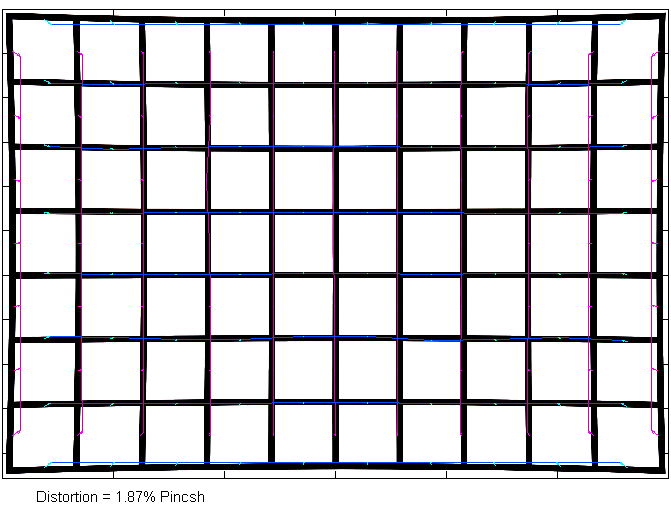
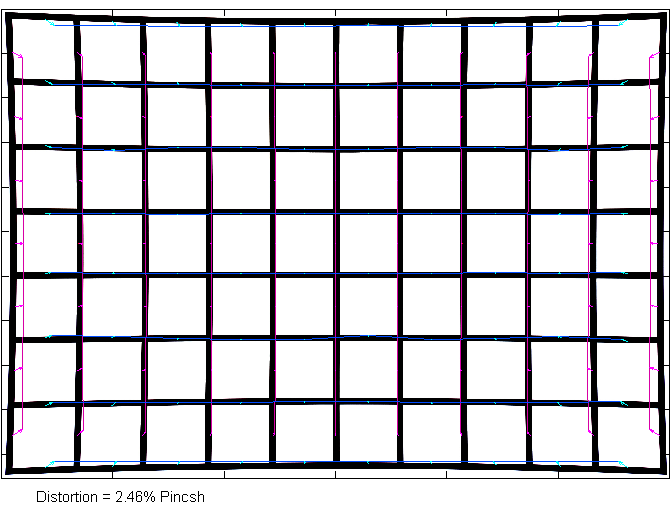
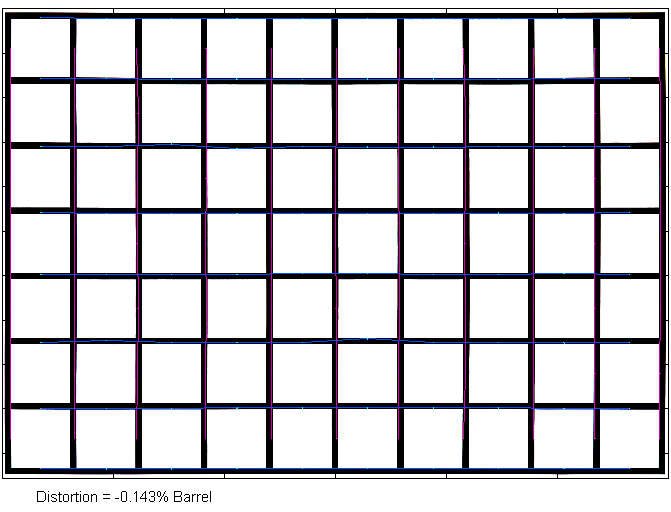
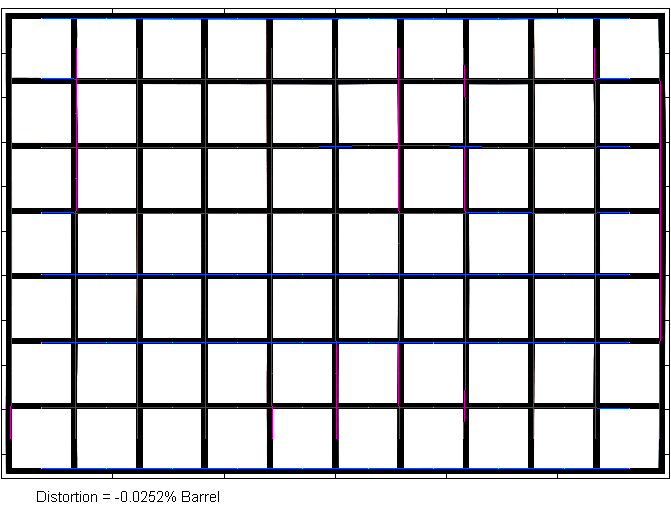
Image auto-correction handles this nicely, though, so most users don’t need to worry in this aspect:
Vignetting
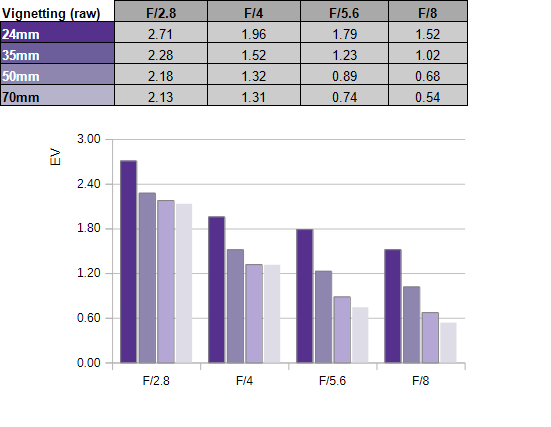
The Nikkor is quite fast and this shows up in its vignetting characteristic. At f/2.8, the light falloff is rather heavy at 2.1 to 2.7 EV (f-stops) in RAW files. As usual, stopping down helps, but the vignetting remains noticeable towards the wide end of the zoom range.
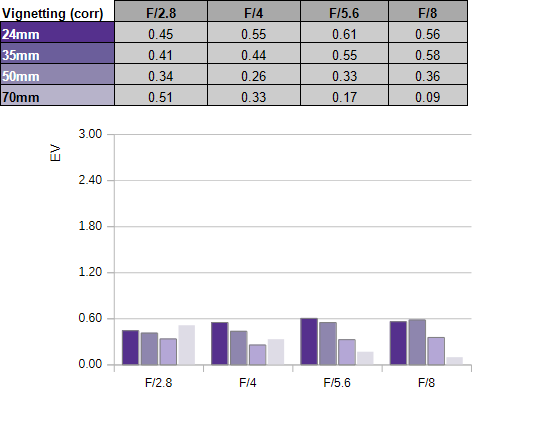
Once again, autocorrection reduces the issue to a negligible degree (at the cost of increased corner noise).
MTF (resolution at 45 mp)
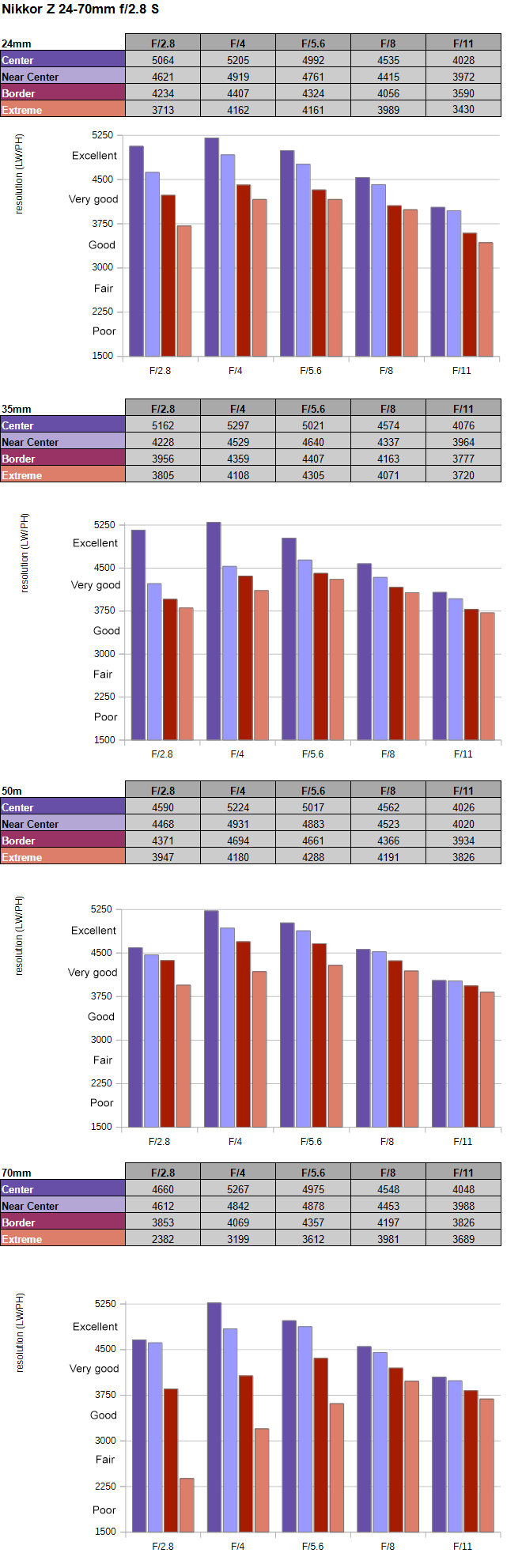
The Nikkor Z 24-70mm f/2.8 S produced very good resolution results in the lab… with one caveat. At 24mm, the broader center is excellent straight from f/2.8. The borders are pretty sharp as well and the corners are of good quality. The latter are lifted to very good quality at f/4. The impressive sharpness is maintained at f/5.6. Diffraction effects set in at f/8, and more so at f/11. The quality is a bit better still at 35mm. The 50mm setting sees a bit lower center sharpness at f/2.8 but otherwise the results are great here. This changes at 70mm. While the center is still sharp, the corners take quite a hit here. They are still a bit soft at f/4, but are back to high quality from f/5.6 and best at f/8.
Please note that the MTF results are not directly comparable across the different systems!
Below is a simplified summary of the formal findings. The chart shows line widths per picture height (LW/PH), which can be taken as a measure of sharpness. If you would like to know more about the MTF50 figures, you may check out the corresponding Imatest Explanations.
Chromatic Aberrations (CAs)
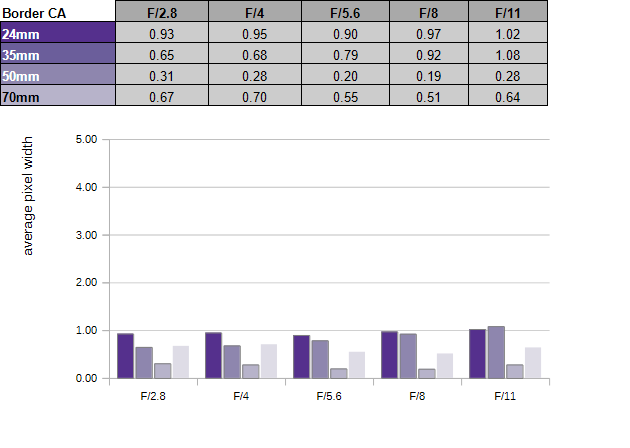
Lateral CAs are low with an average pixel width of 1px or less across the zoom- and relevant aperture-range.
Bokeh
The Z 24-70mm f/2.8 S isn’t terribly fast by prime lens standards. However, it’s certainly usable for some shallow depth-of-field applications. So let’s check the quality of the bokeh.
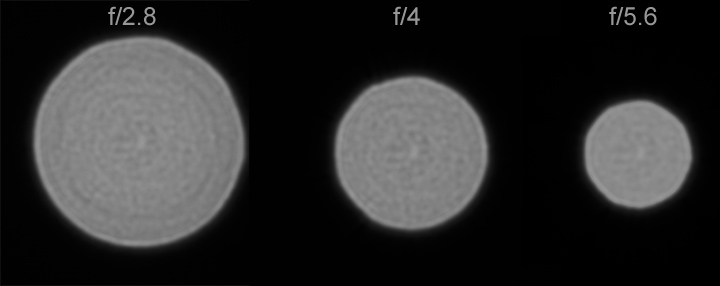
As usual, out-of-focus highlights are nicely circular in the image center. However, the discs show a very busy inner sub-structure – curtesey of the aspherical elements in the optical design. There’s no outlining, though. The circular shape is maintained at f/4 and only marginally edgy at f/5.6.
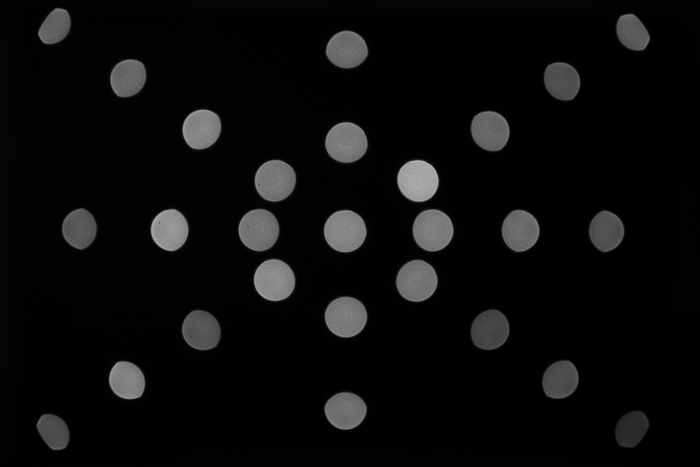
When looking at the whole image at 70mm f/2.8, the circular highlight shape is maintained in the broader center but there is a visible deterioration to “cat eyes” towards the corners. The “perfect” zone is broadening the more you stop down. However, the corner discs are still not fully restored at f/5.6.
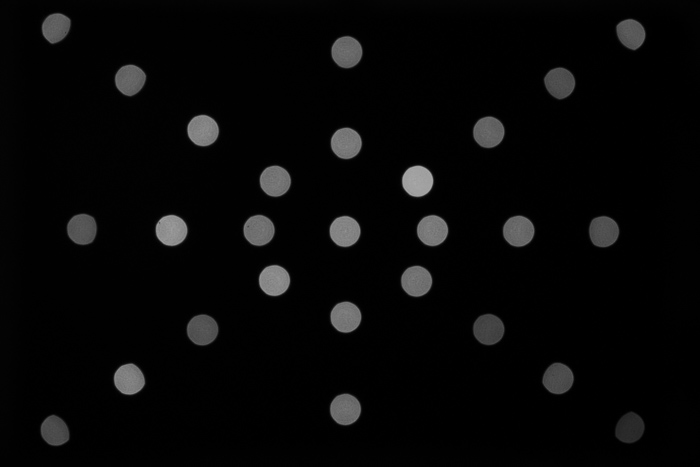
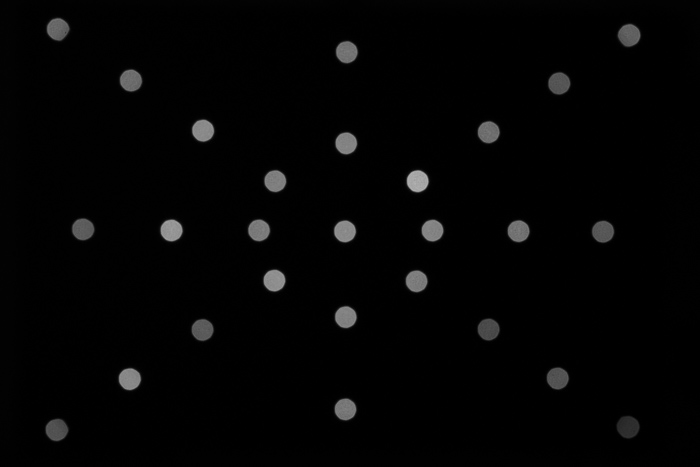
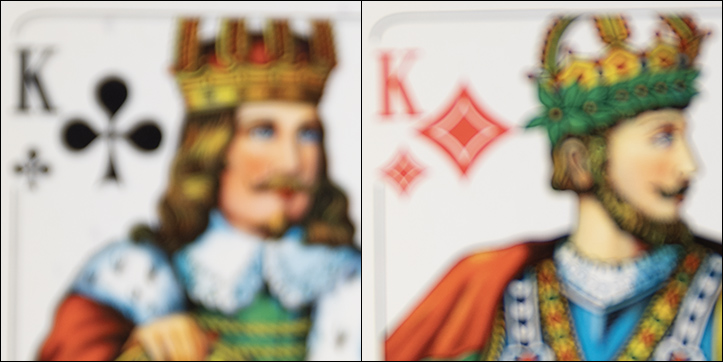
The general blur in the focus transition zone is smooth in the image background (shown to the left below). The foreground blur is busy and shadowy.
Bokeh Fringing (LoCA)
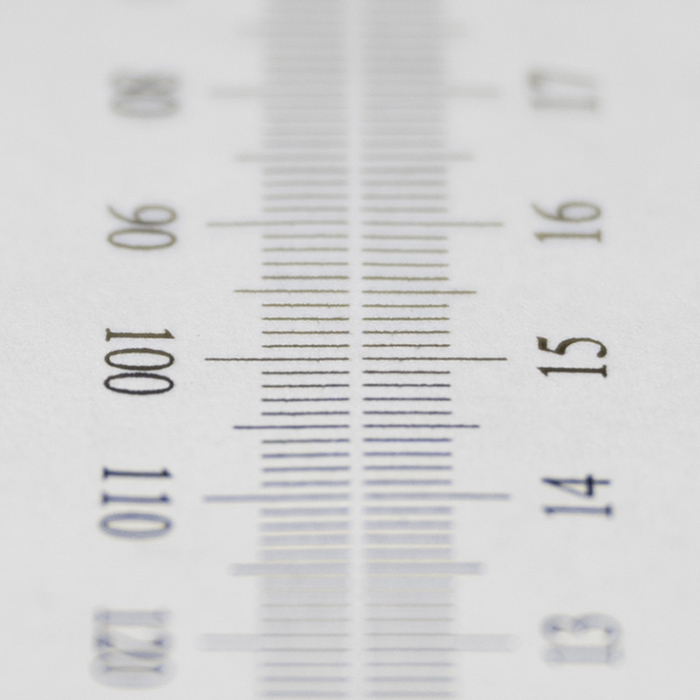
LoCAs are a color fringing effect on the Z-axis. They show up as purplish/yellowish halos in front of the in-focus zone and greenish/bluish beyond. As you can see below, the Nikkor lens produces mild fringing at f/2.8. Stopping down to f/4 resolves most of the issue and it’s gone from f/5.6.
Competition
The Nikkor Z 24-70mm f/2.8 S has been deprecated by Nikkor in 6/2026, so there’s obviously the new Mk II, which has been improved in a number of ways, most noticeable with an internal zoom mechanism. It’s also a hell of a lot more expensive. On the cheaper side, there’s the Nikkor Z 28-75mm f/2.8, a relabled Tamron lens, but that’s not really worth it due to rather lackluster performance. Tamron has, however, released the 28-75mm F/2.8 Di III VXD G2 in Z-mount and it’s quite good.
Sample Images
Countryside Germany here rather than the usual sights of Australia.


The Nikkor Z 24-70mm f/2.8 S almost made the top mark... if it wasn't for the 70mm setting. This is a bit unfortunate because the lens is actually very sharp in the low to mid range. The 70mm setting is perfectly fine for portraits and other objects placed near the image center. However, the corners are disappointing in the f/2.8 to f/4 range. Having said this, there are probably not too many applications in need of tack-sharp corners at this aperture. Stopped down to f/5.6 or f8 the image quality is impressive again. RAW images reveal some image distortions and vignetting but auto-correction suppresses these issues as usual. The same goes for lateral CAs which aren't overly pronounced anyway. Axial CAs are also low. The bokeh is a bit of a mixed bag again. Specular highlights are a bit busy but the general blur rendering is smooth in the critical image background. The build quality is up to professional standards, but we expected no less from such a pricey lens. It feels very solid and Nikon implemented some weather sealing and a flurorine coating on the front element. The AF is very fast thanks to the dual-stepping motor. The Nikkor Z 24-70mm f/2.8 S may not be perfect, but if you can navigate around its shortcomings it's still an impressive tool. Support us by shopping at: * Amazon US * Amazon Europe * B&H * Adorama * KEH (used gear)
The Good
- Professional-grade build quality
- Very sharp in the 24-50mm range
The Bad
- Lacks greatness in the corners at 70mm
- Specular highlight rendering is not ideal
-
Optical Quality7
-
Build Quality9
-
Price / Performance7