


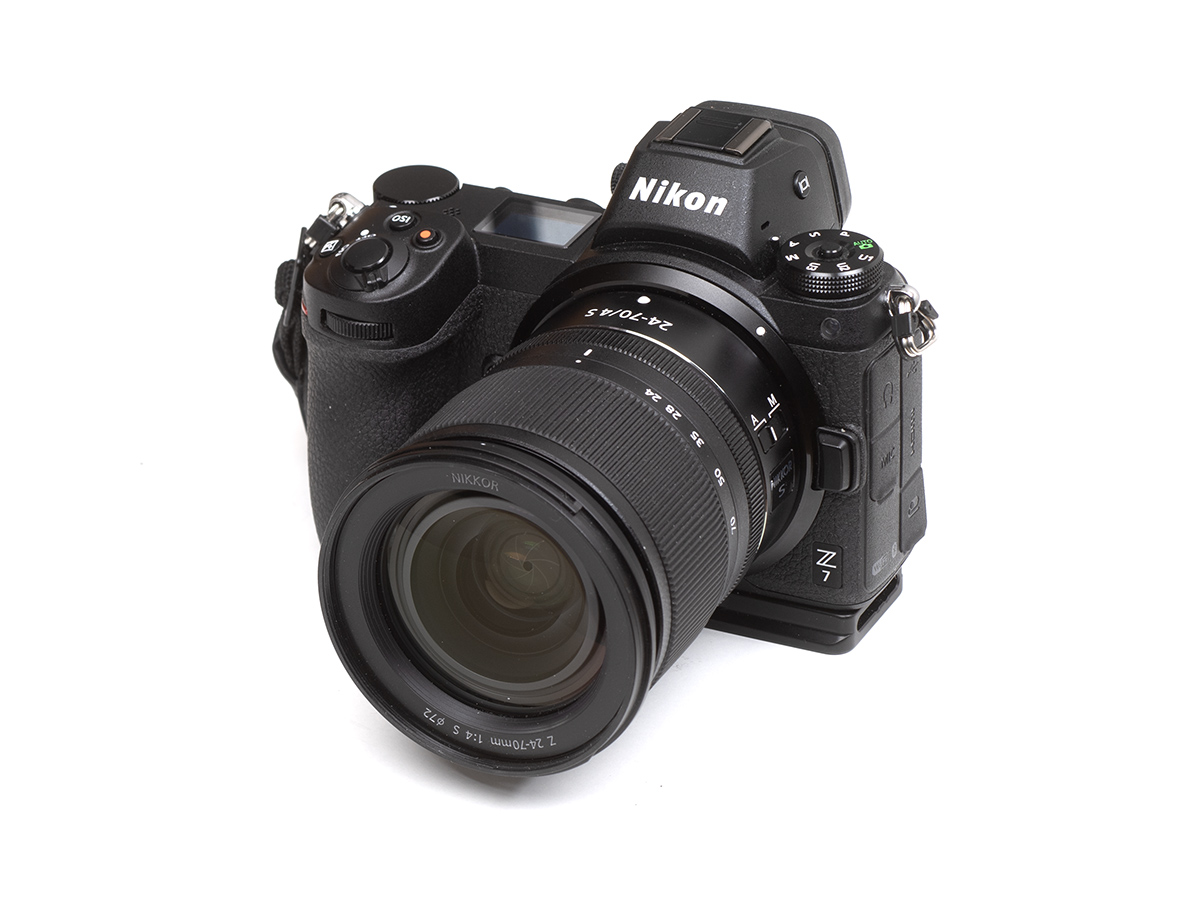
Our review of the Nikkor Z 24-70mm f/4 S feels almost like doing time travel. It was the first Nikkor released in Z-mount back in 2018. And yes, we are late with this one. A colleague had the test data in storage for years actually, but life got in the way as it sometimes happens. This review is actually part of a longer series based on such accumulated test data that we’ll release in the coming weeks.
A bit of a surprising aspect of the Nikkor Z 24-70mm f/4 S is that it’s both a kit lens as well as a member of the “S” series of lenses. The latter marks Nikon’s high-performance lineup. That’s certainly reflected in its rather high price tag of $1000 USD. If you are interested in this lens, you should rather look into a camera kit where the lens is heavily discounted. And it’s usually available for bargain prices on the used market.
One of the first aspects that you will notice upon picking up the lens is its retractable design. Thus you have to “twist-to-extend” it to its actual working position. This allows for a very compact dimension for transport but it’s cumbersome nonetheless. The outer shell is made of high-grade engineering plastics based on a metal mount. It uses a duo-cam mechanism that extends the lens when zooming out. We aren’t huge fans of this approach because it’s quite an air (& dust) pump. However, Nikon has implemented dust- and weather-sealing. A customizable control ring is used for manual focusing but it can be configured to handle the aperture, ISO, or exposure compensation.
The Nikkor uses a STM (stepping motor) for auto-focusing. It is both snappy and near silent. Focus breathing is minimal. The lens can focus down to 0.3m or a maximum object magnification of just 1:3, which is pretty good and approaches macro lenses.
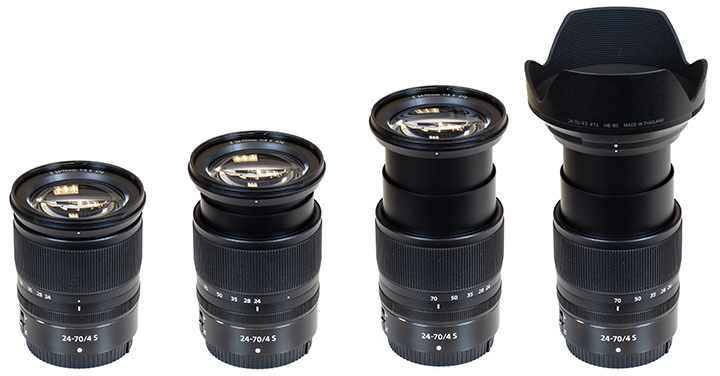
| Specifications | |
|---|---|
| Optical construction | 14 elements in 11 groups (1x aspherical ED, 1x ED, 3x aspherical) Nano Crystal Coat fluorine-coated front element |
| Number of aperture blades | 7 (rounded) |
| min. focus distance | 0.3m (max. magnification: 0.3x) |
| Dimensions | 77.5 x 88.5mm |
| Weight | 500g |
| Filter size | 72mm |
| Hood | petal-shaped, bayonet mount, supplied |
| Other features | control ring dust- and drip-resistant |
Distortion
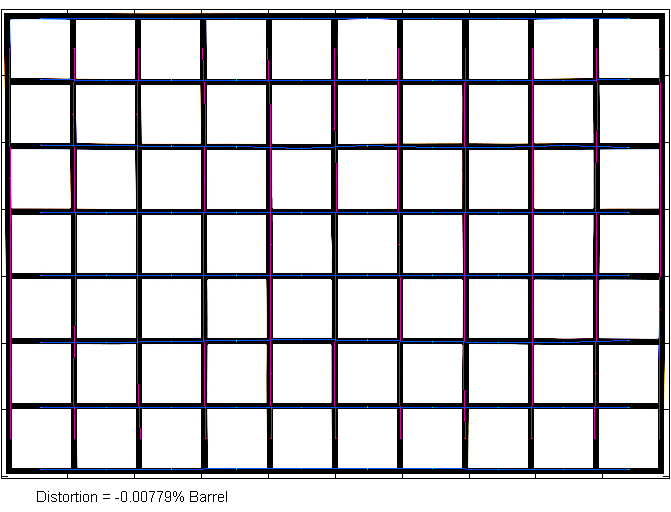
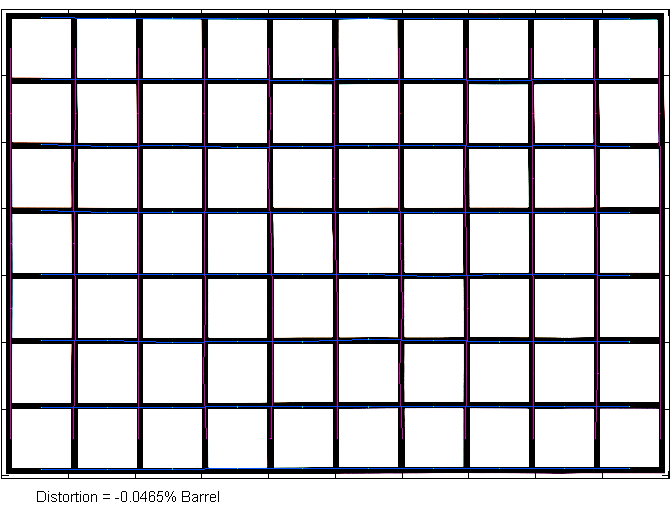
Modern zoom lenses often produce massive image distortions in RAW files, and the Z 24-70mm f/4 S has its share of problems here. At 24mm there is a heavy barrel distortion (3.8%) which switches to pincushion still beyond the 28mm setting already. They are quite heavy at 50mm and increase further towards the 70mm (~3.4%).
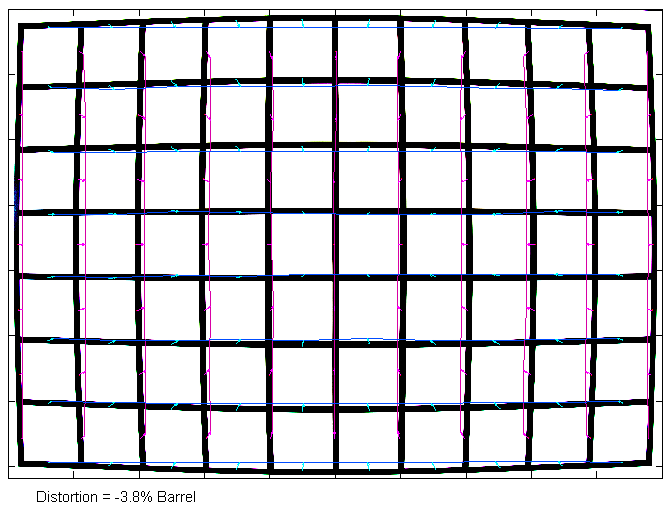
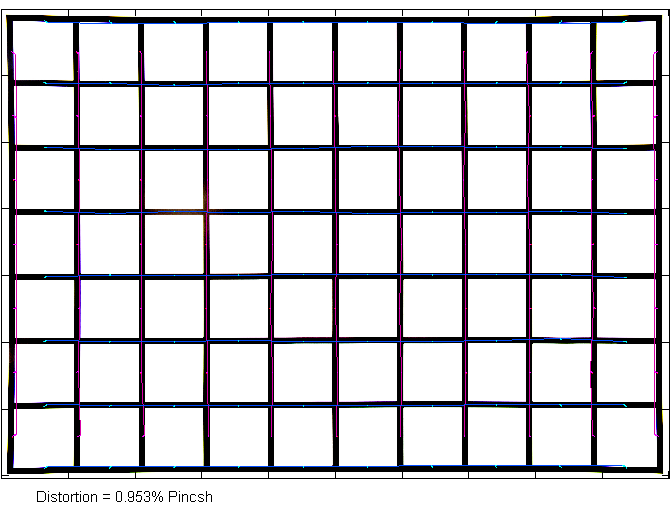
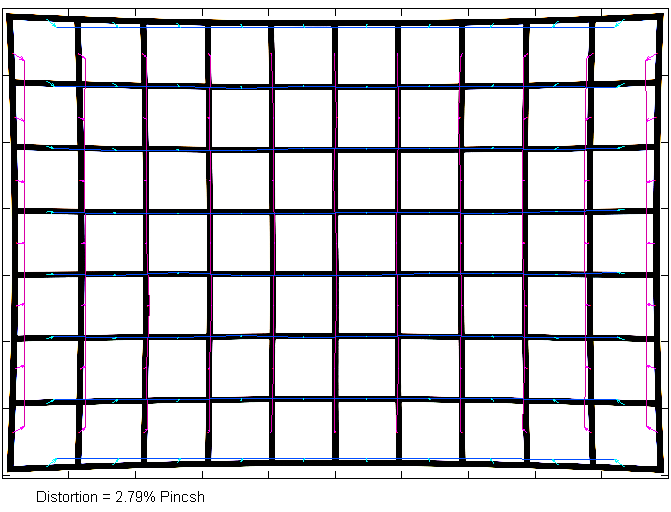
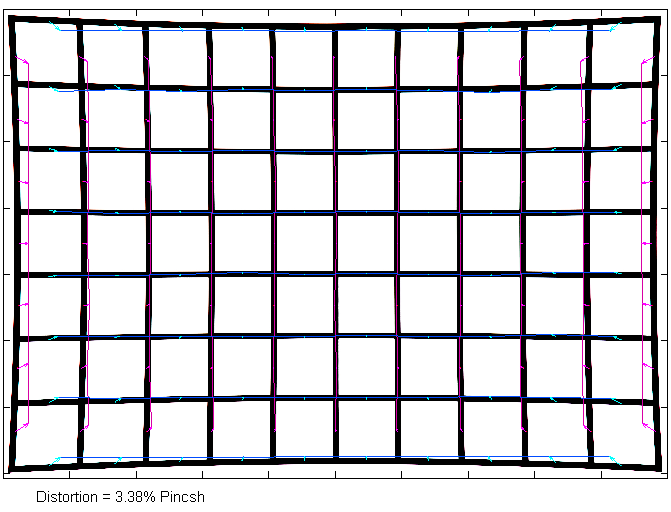
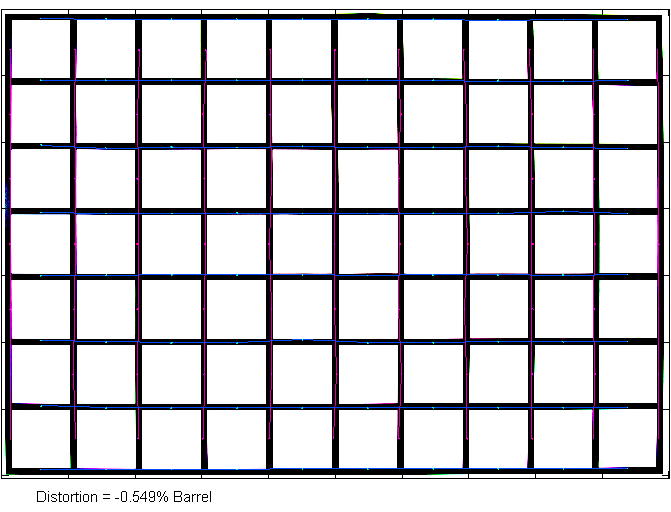
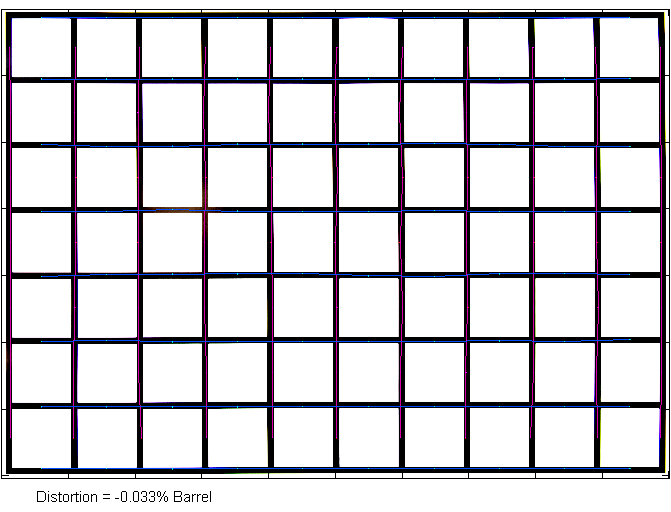
Image auto-correction has to come to the rescue then and it works perfectly as you can see below.
Vignetting
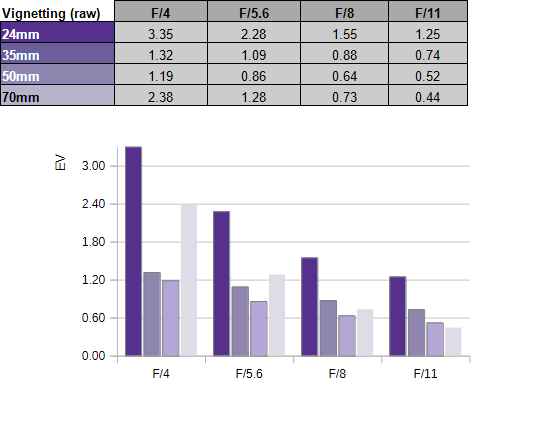
It’s a similar story regarding vignetting. At the extreme ends of the zoom range, the light falloff is very heavy at more than 3EV (f-stops) at 24mm and 2.4EV at 70mm. Stopping down helps, as usual, but the vignetting remains noticeable at the wide end even at f/11.
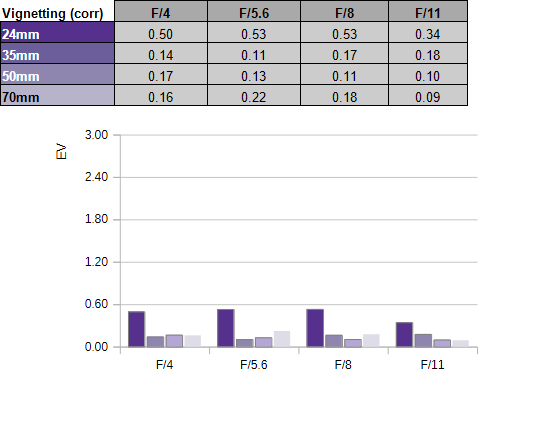
Once again, autocorrection saves the day. However, keep in mind that this comes at the cost of increased corner noise due to the signal boosting.
MTF (resolution at 45 mp)
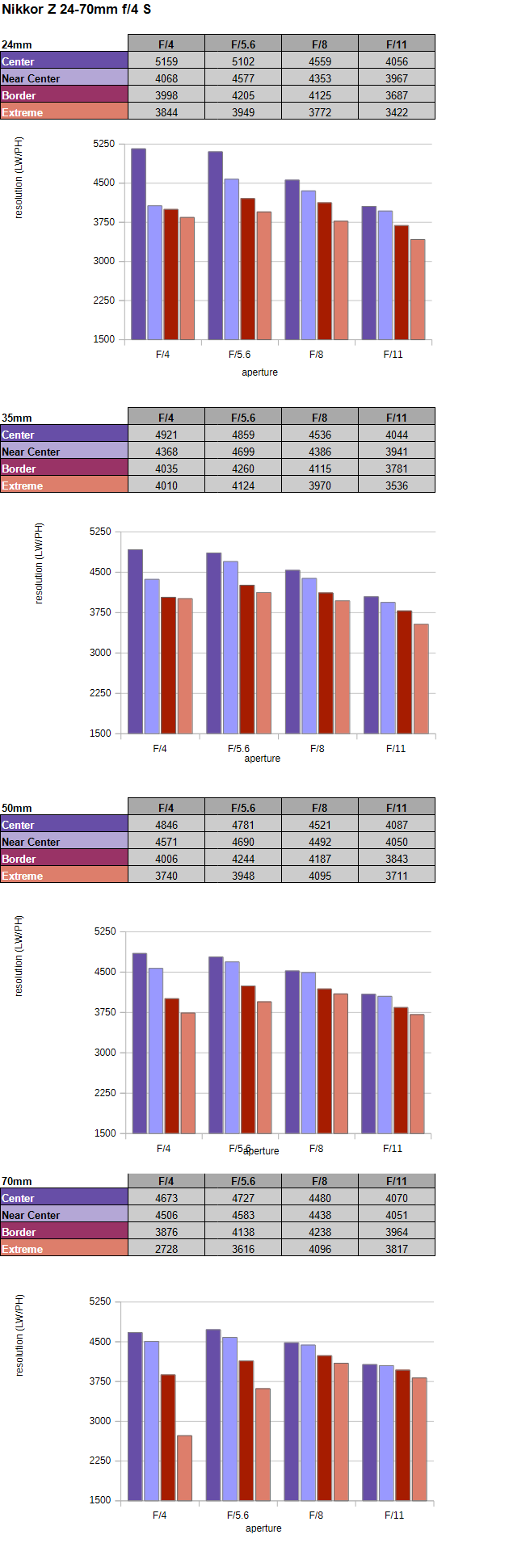
The Nikkor Z 24-70mm f/4 S produced decent resolution figures in the lab. At 24mm the dead center quality is great straight from f/4 although it drops soon thereafter. There is a bit of field curvature at this setting, though. The overall quality improves a bit at f/5.6 before the usual diffraction effects set in. The quality is maintained throughout the middle range. At 70mm f/4, the broader center is sharp but the corners are very soft. They do recover nicely when stopping down reaching very good quality at f/8.
Please note that the MTF results are not directly comparable across the different systems!
Below is a simplified summary of the formal findings. The chart shows line widths per picture height (LW/PH), which can be taken as a measure of sharpness. If you would like to know more about the MTF50 figures, you may check out the corresponding Imatest Explanations.
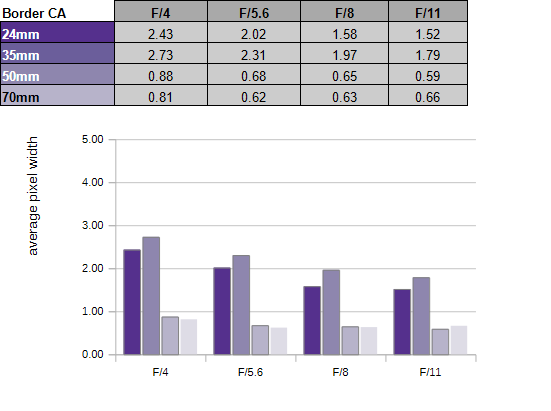
Chromatic Aberrations (CAs)
Lateral CAs are the most obvious aspect where the age of the lens is showing up. At more than 2px on average at the image borders, they are on the heavy side in the lower part of the zoom range. And this increases further in the corners. Stopping down helps but it’s still not a glorious aspect. It’s a lesser issue from 50 to 70mm, though.
Keep in mind that lateral CAs are losslessly compensated in JPEGs and via most RAW converters so it’s not a big deal in real life.
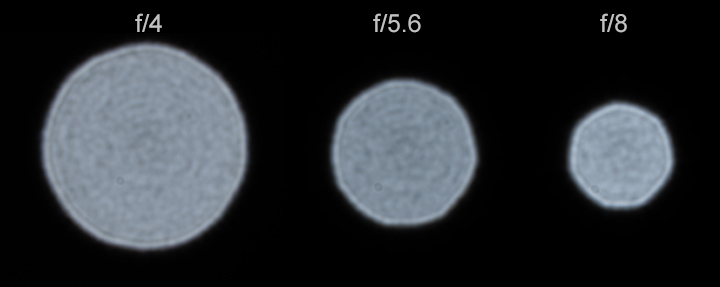
Bokeh
The Z 24-70mm f/4 S isn’t really aligned to produce a shallow depth-of-field, but let’s check out the bokeh rendering.
Out-of-focus highlights are nicely circular in the image center. However, the discs show a very busy inner structure typical of lenses that use aspherical elements. There’s only a slight outlining at f/4. It’s getting more obvious at f/8, though.
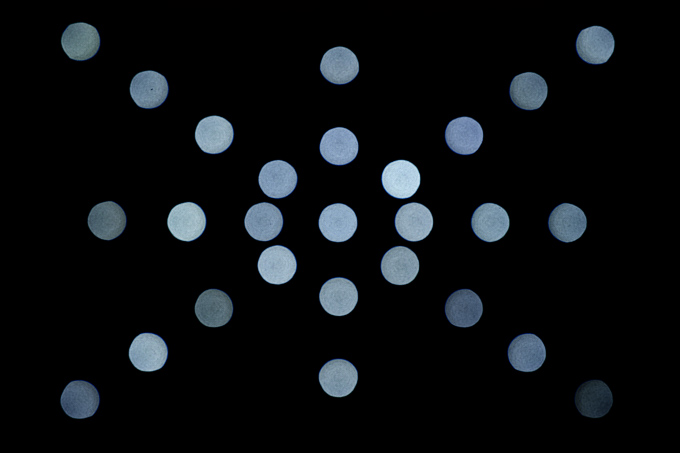
When looking at the whole image at 70mm f/4, the circular highlight shape is mostly maintained across the image which is rather surprising. This is a rare characteristic.


The general blur in the focus transition zone is quite smooth in the image background (shown to the left below). The foreground blur is busier and a bit shadowy.
Competition
The Nikkor Z 24-70mm f/4 S has probably two lenses that it competes with – both in-house. There’s the Nikkor Z 24-120mm f/4 S with its longer range but also quite a bit more bulk. Optically, they are fairly comparable with certain aspects being a bit better on either side. And the Nikkor Z 28-75mm f/2.8 which is a relabeled first-generation Tamron 28-75mm f/2.8 Di III XR. It’s a bit “meh” overall. Tamron has, however, released the 28-75mm F/2.8 Di III VXD G2 in Z-mount – thus the successor – which is actually quite good.
Sample Images
Countryside Germany here rather than the usual sights of Australia.


The Nikkor Z 24-70mm f/4 S may be an oldie in the Nikon lens lineup, but it still does a good job. Other than the corner quality at 70mm f/4, it's pretty sharp for a zoom lens. Vignetting, image distortions and CAs aren't great in RAW images but that's what image autocorrection is for in these categories. The quality of the bokeh is a bit mixed. Specular highlights are rendered a bit rough but the out-of-focus blur is quite good for such a lens. The build quality is very good although we have our reservations regarding the retractable design and the duo cam zoom mechanism. Having said this, it's very compact and lightweight. Despite the age of the lens, the AF is still pretty good by today's standards. Overall, it's still worth considering the Nikkor Z 24-70mm f/4 S when purchased as part of a camera kit whereas it seems a bit overpriced as a standalone offering compared to the Z 24-120mm f/4 S. Support us by shopping at: * Amazon US * Amazon Europe * B&H * Adorama * KEH (used gear)
The Good
- Compact form factor
- Decent performance
The Bad
- Retractable design with two inner tubes
- Fairly high price for what it is (unless purchased in a kit)
-
Optical Quality7
-
Build Quality7
-
Price / Performance7