


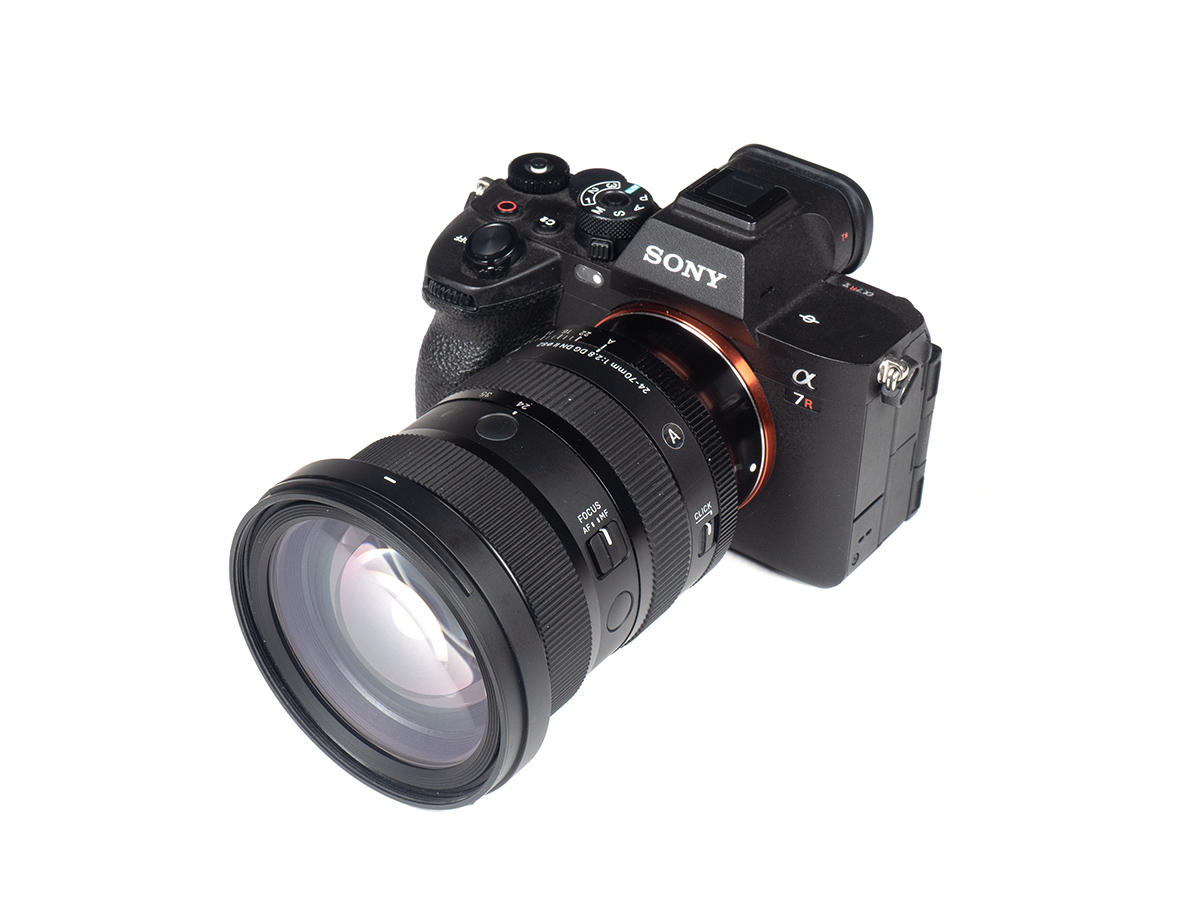
A little while ago, Sigma released the second iteration of its interpretation of fast standard zoom lenses – the Sigma 24-70mm f/2.8 DG DN ART II, available both in Sony E- and L-mount. As of the time of this writing, it actually leads the sales chart over at B&H, one of the world’s biggest camera retailers, which is also a testament to how popular this whole category is. And that’s despite a fairly high price tag of around $1300 USD. We reviewed the mark I some years back. The results were good but not stellar, so let’s see whether Sigma has improved the recipe.
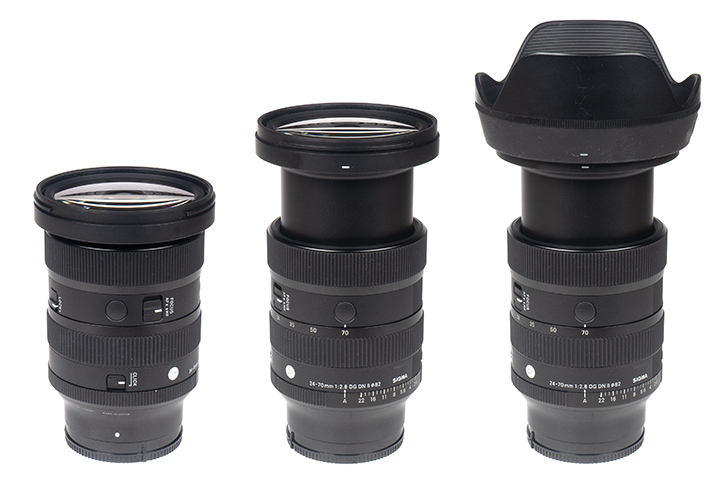
On paper, Sigma fine-tuned both the optical and mechanical design. The optics use 5 aspherical elements now, up from 3, and the mark II is 10% more lightweight at 745g and 7% smaller. The build quality remains impressive thanks to high-quality materials and weather-sealing. It also adds an aperture ring, including a de-clicked mode. The lens still extends when zooming towards the long end. The zoom and focus rings turn smoothly. A petal-shaped lens hood is part of the package.
Another improvement is the HLA (“High-response Linear Actuator”) AF motor. Sigma claims a speed again of up to 3x higher than on the previous model, and we can certainly confirm that autofocusing is very snappy now. An image stabilizer has not been incorporated.
| Specifications | |
|---|---|
| Optical construction | 19 elements in 15 groups (6x FLD, 2x SLD, 5x aspherical) |
| Number of aperture blades | 11 (rounded) |
| min. focus distance | 0.17-0.34m (max. magnification: 1:2.7-4) |
| Dimensions | 87.8 x 122.2mm |
| Weight | 735g |
| Filter size | 82mm |
| Hood | petal-shaped, bayonet mount, supplied |
| Other features | 2 AFL-buttons aperture ring (de-clickable) aperture lock switch zoom lock switch dust- and splash-resistant |
Distortion
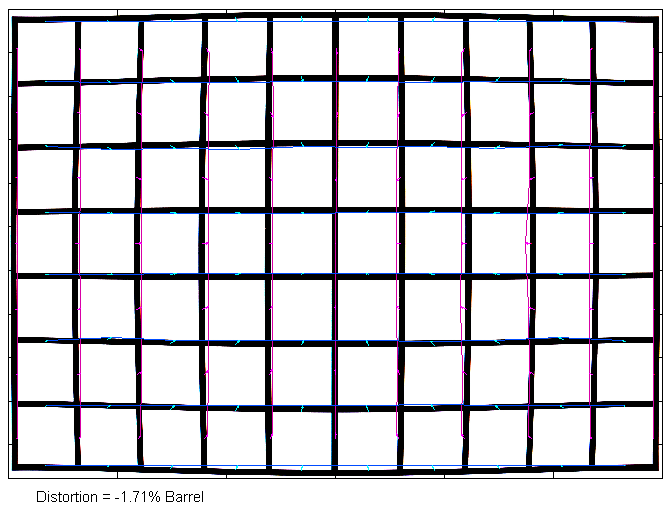
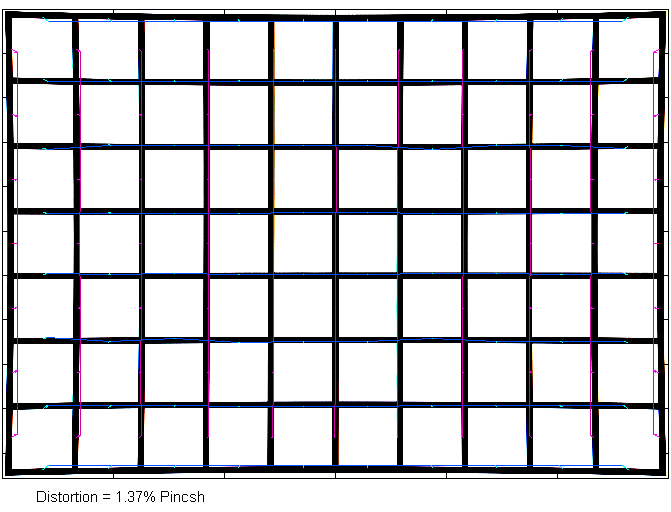
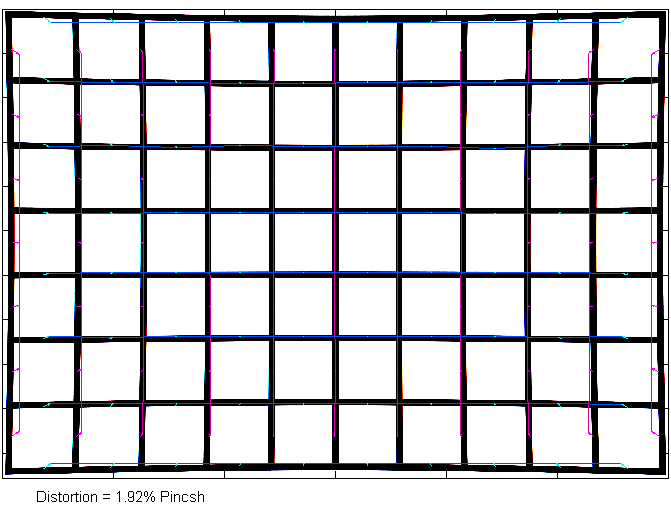
The Sigma 24-70mm f/2.8 DG DN ART II has a comparatively mild native distortion characteristic for a modern zoom lens. At 24mm, it produces a slight barrel distortion of ~1.7%. This switches to pincushion style soon thereafter, reaching ~1.4% at 40mm and a medium 1.9% at 70mm.
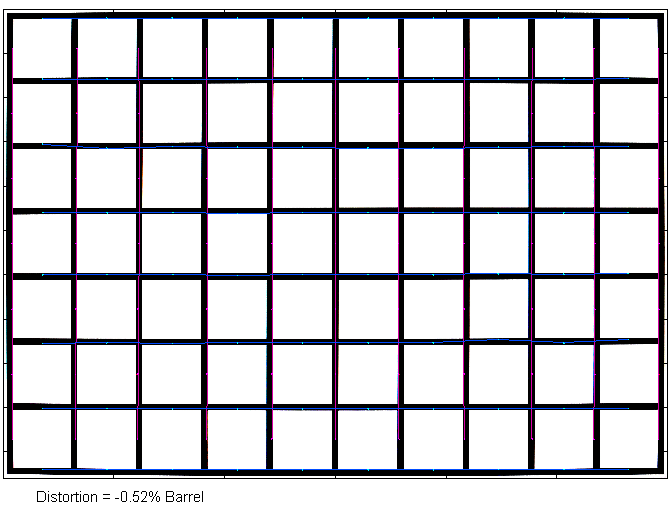
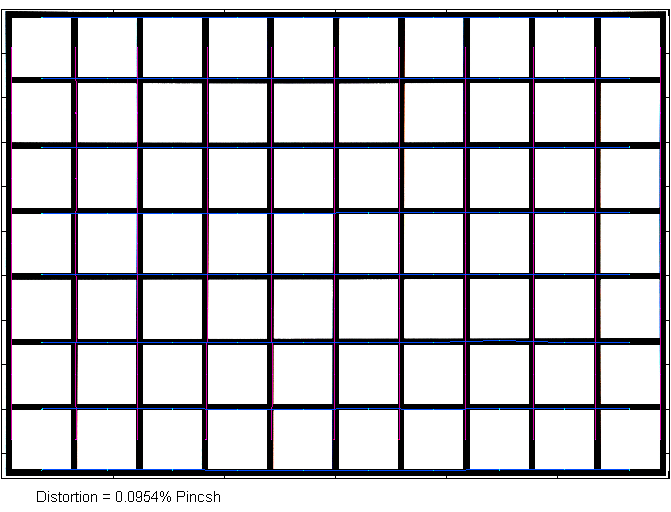
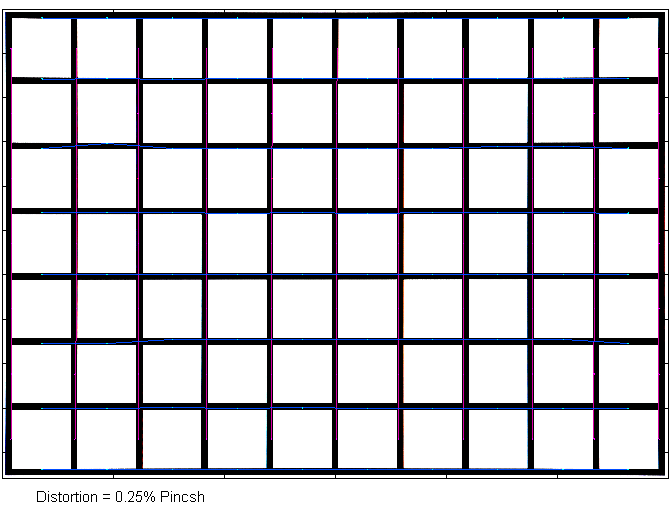
Auto-correction reduces this to a minimum, as you can see below:
Vignetting
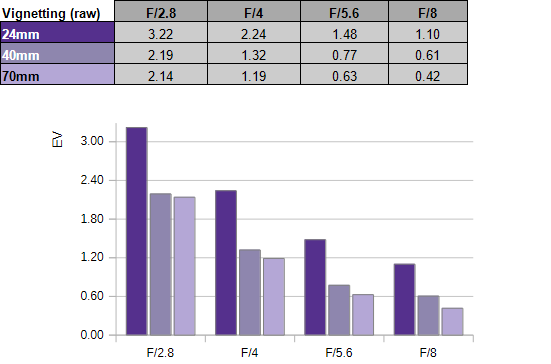
The RAW vignetting of the Sigma lens is very elevated at 24mm f/2.8. Stopping down to f/4 reduces the light falloff by about a stop. However, the vignetting doesn’t vanish completely at this setting – even at f/8. This is a lesser issue at longer focal lengths. The vignetting is still high at maximum aperture but quite low from f/5.6.
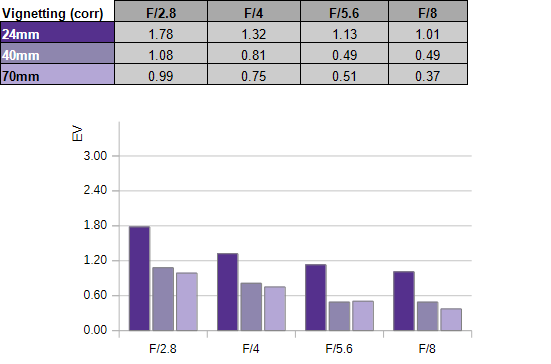
Thus, autocorrection is needed, and it does a good job here. The vignetting is still fairly high at 24mm f/2.8 at ~1.8 EV (f-stops). The light falloff is never fully gone, but it is acceptable from f/4. Once again, this is a lesser issue at 40mm and 70mm.
MTF (resolution at 42 mp)
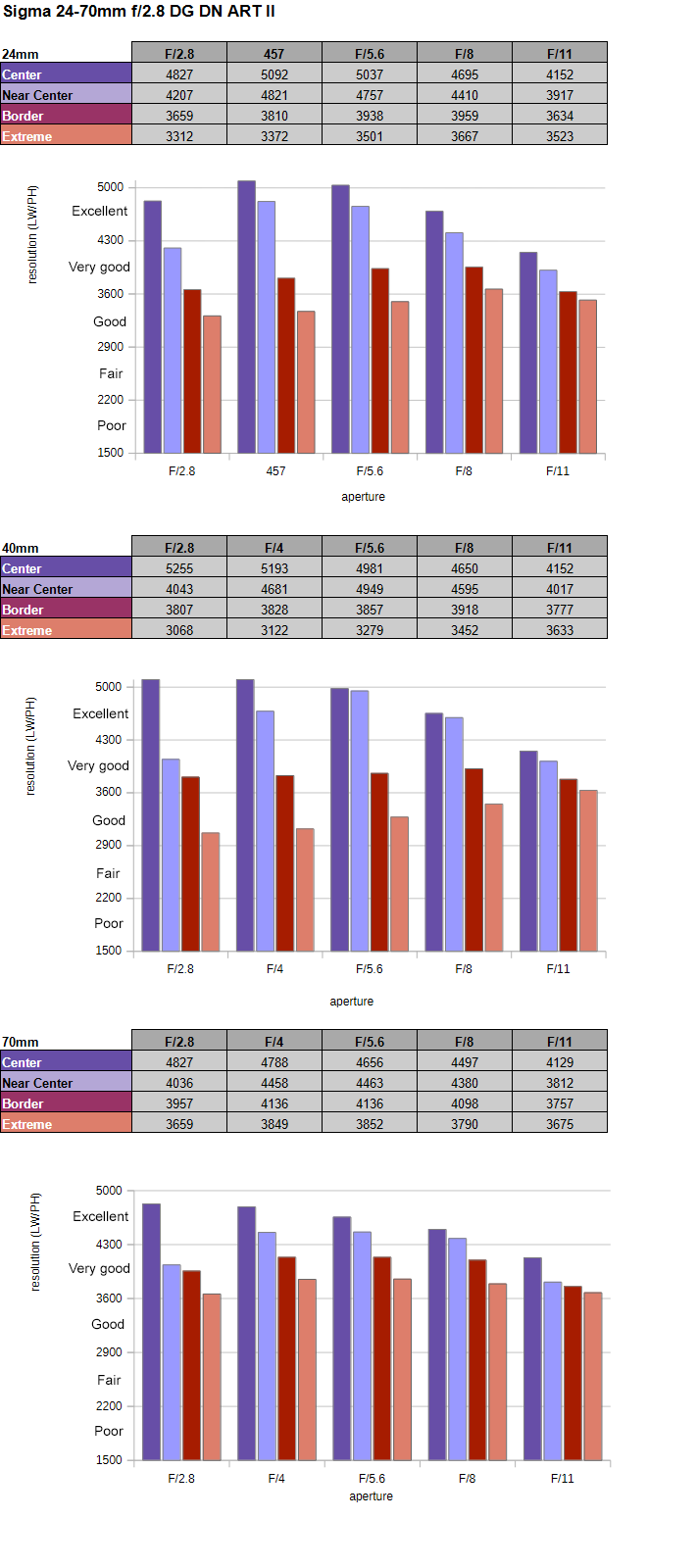
While the overall resolution characteristic is similar, the resolution figures show an improvement over its predecessor. The center quality at 24mm is excellent straight from f/2.8. The near-center quality drops a little but is easily on a very good level. The borders are good to very good, and the corners still make it across the good mark. Stopping down gradually improves the image quality, reaching its peak between f/5.6 and f/8. The corner quality even creeps into very good territory at f/8. The weakest spot of the Sigma lens remains in the middle section of the zoom range. The broader center quality remains high, but the corner quality tanks a little. The outer image field improves again at the long end of the zoom range. Diffraction is, as always, a limiting factor from f/11.
The centering quality of the tested sample was good. The field curvature is low.
Please note that the MTF results are not directly comparable across the different systems!
Below is a simplified summary of the formal findings. The chart shows line widths per picture height (LW/PH), which can be taken as a measure of sharpness. If you would like to know more about the MTF50 figures, you may check out the corresponding Imatest Explanations.
Chromatic Aberrations (CAs)
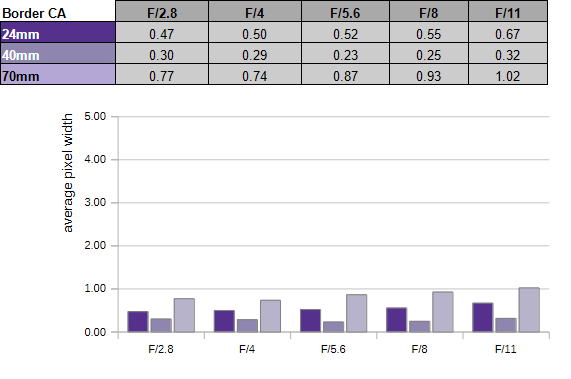
Lateral CAs are generally very well controlled, especially in the low to middle part of the zoom range. It increases a bit at the long end, but without reaching disturbing levels.
Bokeh
A 24-70mm f/2.8 may be a fast standard zoom lens, but in the grand scheme of things, a 70mm f/2.8 is not THAT fast, really. However, having said this, many users are still using such lenses for portraits and such. Thus, let’s take a look at what the bokeh is about here.
The out-of-focus highlights in the tested sample show a rather irregular inner substructure. This seems to be the result of a manufacturing defect (e.g. the mark I didn’t show these artifacts). On the positive side, the discs are perfectly circular from f/2.8 to f/5.6.
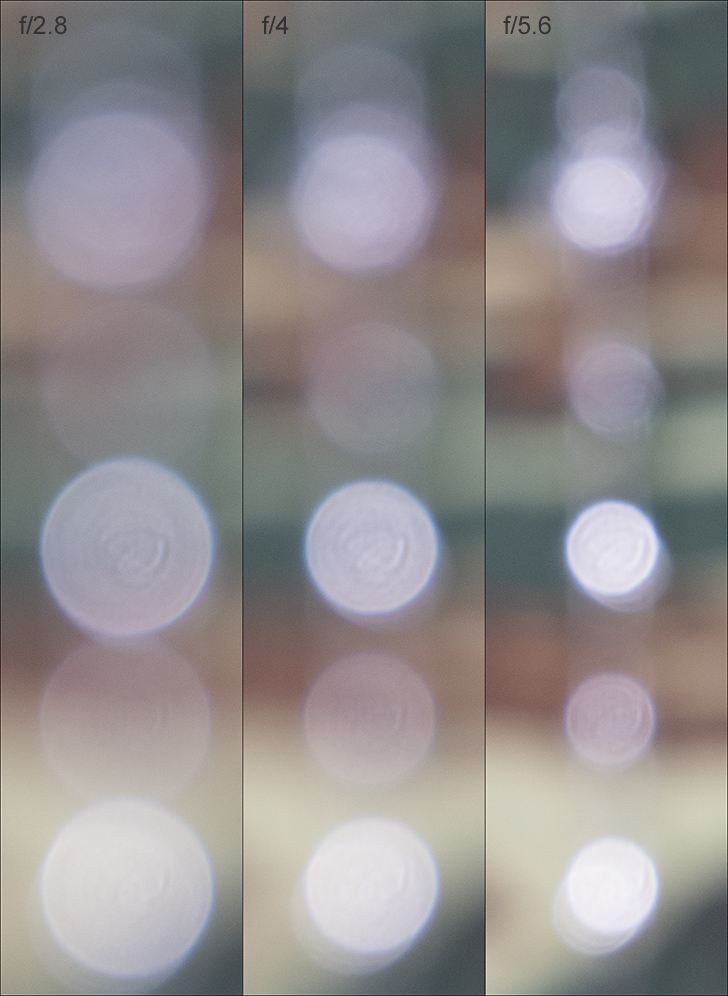
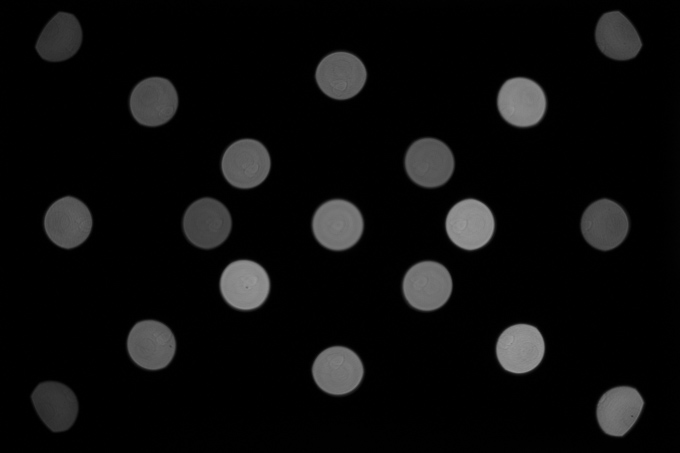
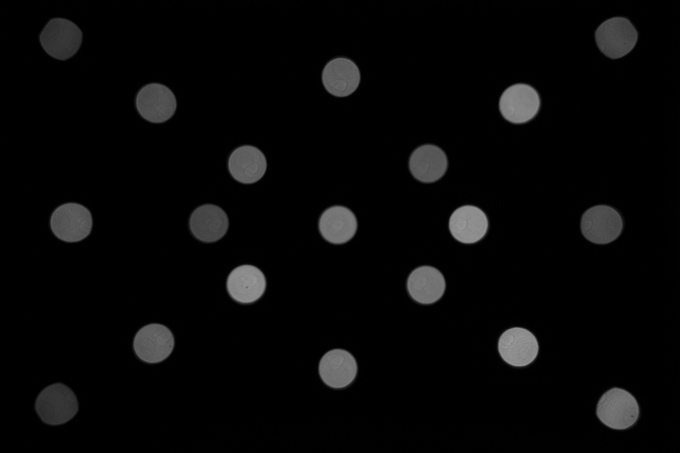
When looking at the whole image at f/2.8, the circular highlight shape is maintained across most of the image frame except for the corners, where they deteriorate to “cat eyes”. That’s due to mechanical vignetting. The corner discs are mostly restored at f/4 already.

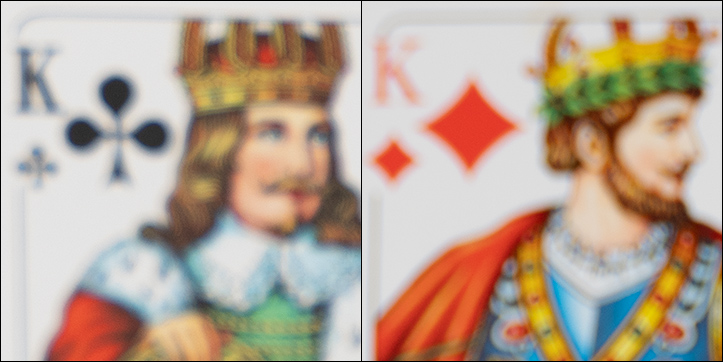
The general blur in the focus transition zone is reasonably smooth in the image background (shown to the left below). There’s a a bit of haziness here, though. The foreground blur is more contrasty and slightly harsher, but still better than average.
Bokeh Fringing (LoCA)
LoCAs are a color fringing effect on the Z-axis. They show up as purplish/yellowish halos in front of the in-focus zone and greenish/bluish beyond. As you can see below, the Sigma lens clearly produces some fringing at f/2.8. Stopping down reduces the effect, and there are only traces visible at f/5.6.
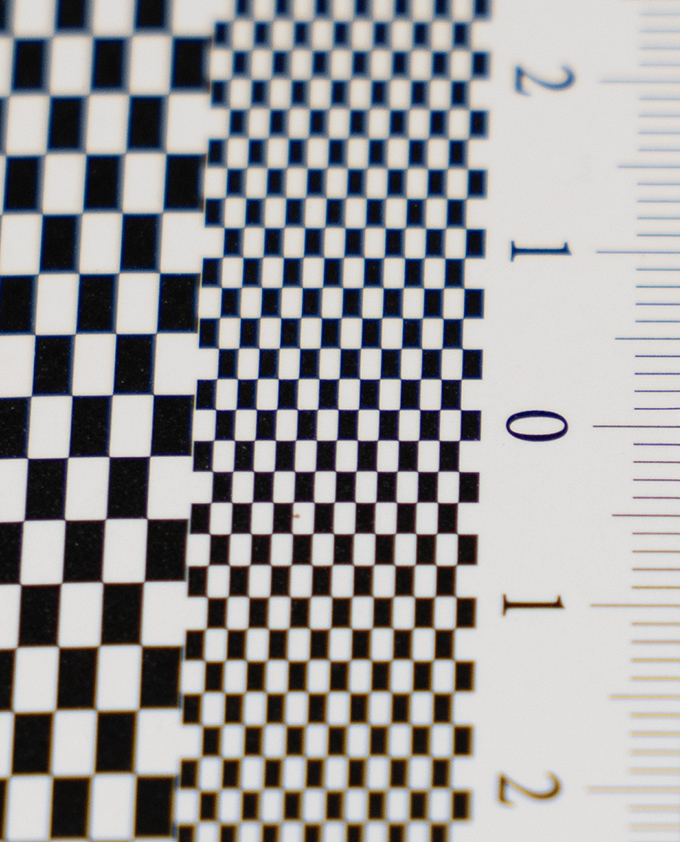
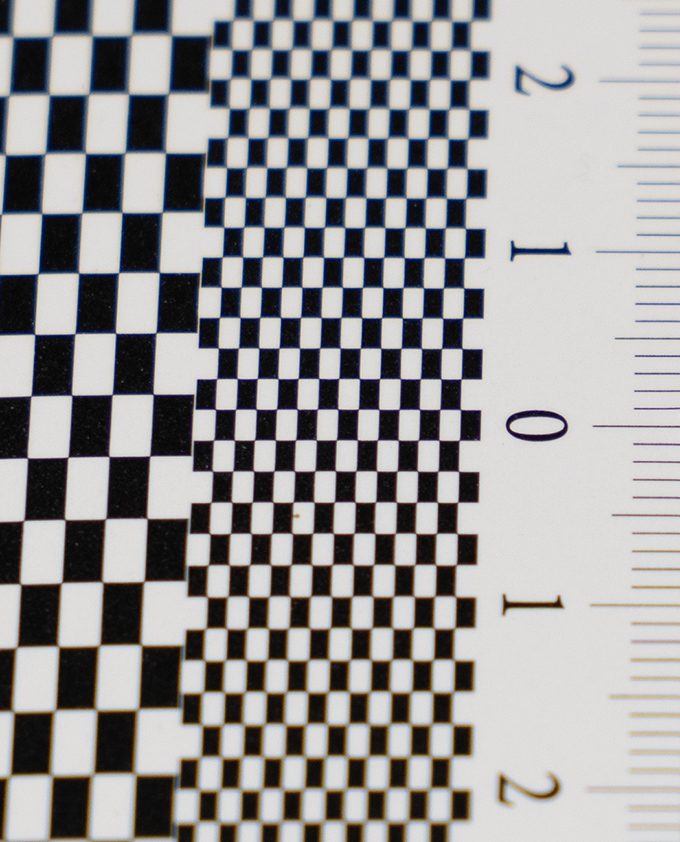
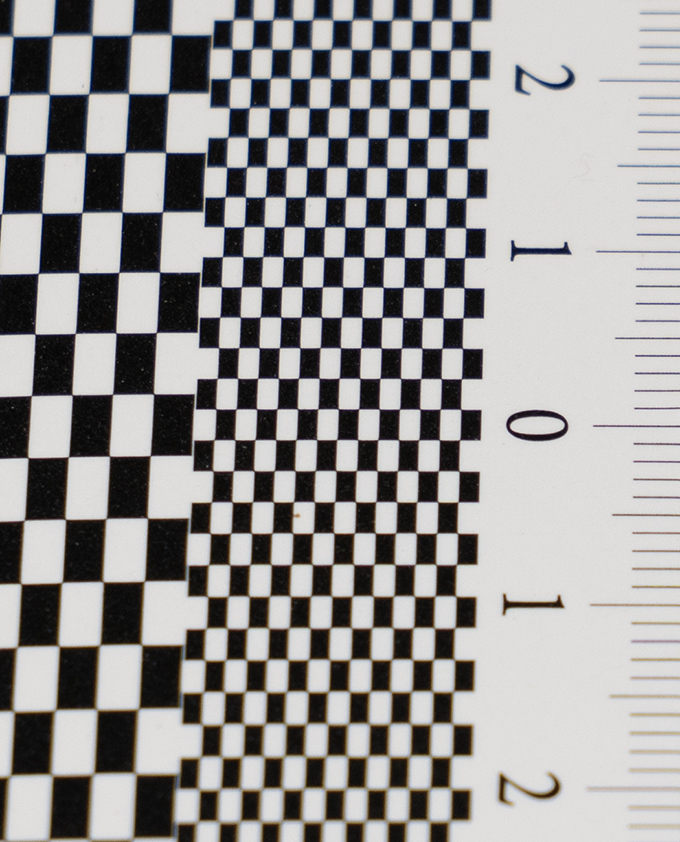
Sunstars
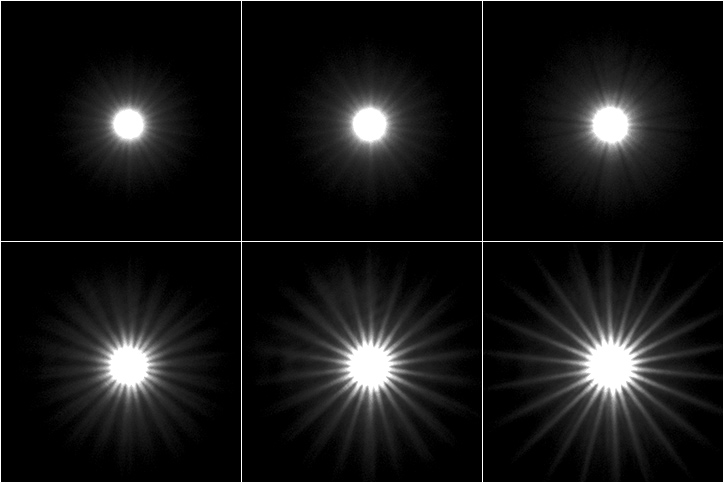
Sunstars (diffraction spikes) are an aperture effect that occurs at strong light sources – such as streetlamps in nighttime city scenes or even the sun.
The Sigma lens has no less than 11 rounded aperture blades, so it’s not ideally suited for rendering these diffraction spikes. Consequently, spotlights are just a “blob” between f/2.8 and f/5.6. Some faint rays appear at f/8, but you have to stop down to at least f/11, better f/16, for the best results. However, 22 rendered rays are a bit much.
Competition
As always, the competition to the Sigma 24-70mm f/2.8 DG DN ART II (shown to the far-left below) is plentiful. The gorilla in this room is, of course, the Sony FE 24-70mm f/2.8 GM II – which is a better but also more expensive option. At the far right, you may recognize the Tamron 28-75mm f/2.8 Di III G2. There isn’t much in it, but we’d give a slight edge to the Sigma between the two. The 2nd to the right is the LK-Samyang AF 24-60mm f/2.8 FE. We can’t really comment on this newcomer yet. It certainly has an edge in terms of size & weight, but it’s also 10mm shorter focal-length-wise – as well as more affordable. Samyang also offers an older AF 24-70mm f/2.8 FE (not shown), which we can’t recommend.
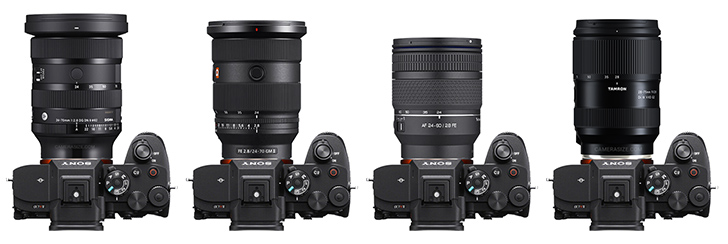
Comparison image courtesy of camerasize.com
Sample Images


The Sigma 24-70mm f/2.8 DG DN ART II improves upon its predecessor across several aspects. The resolution is superior at all focal lengths, with very high marks at the wide and tele ends. There's still a slight weakness in the middle range, but the results are still good for a zoom lens. The native image distortions, CAs and vignetting have all been improved as well, and autocorrection does a good job taming these issues further. The quality of the bokeh is difficult to judge. Our test sample probably had a slight manufacturing defect on one element. However, we'd give the benefit of the doubt, and this is likely not typical for this lens. The blur in the transition zone is quite smooth for a lens in this class. Axial CAs can be visible at large aperture settings, but that's not unusual as well. Typical for all Sigma ART & Sport lenses, the build quality is excellent. The lens body feels reassuringly sturdy, and Sigma didn't forget to incorporate weather sealing. It uses an extending zoom mechanism, but this is the same for most lenses in this class. The addition of an aperture ring is certainly also welcome news for users who prefer to set the aperture on the lens rather than on the camera. Another improvement is the increased AF speed, which is now almost on Sony GM level. Overall, we can see why this lens is so popular. However, it's still not the best in class. Support us by shopping at: * Amazon * B&H * Adorama * KEH (used gear)
The Good
- Great Build Quality
- Improved over the mk I
- Very sharp when stopped down a little
The Bad
- Rough out-of-focus highlights (in our test sample at least)
- Still a bit weak in the middle part of the zoom range
-
Optical Quality7
-
Build Quality9
-
Price/Performance9