


Introduction
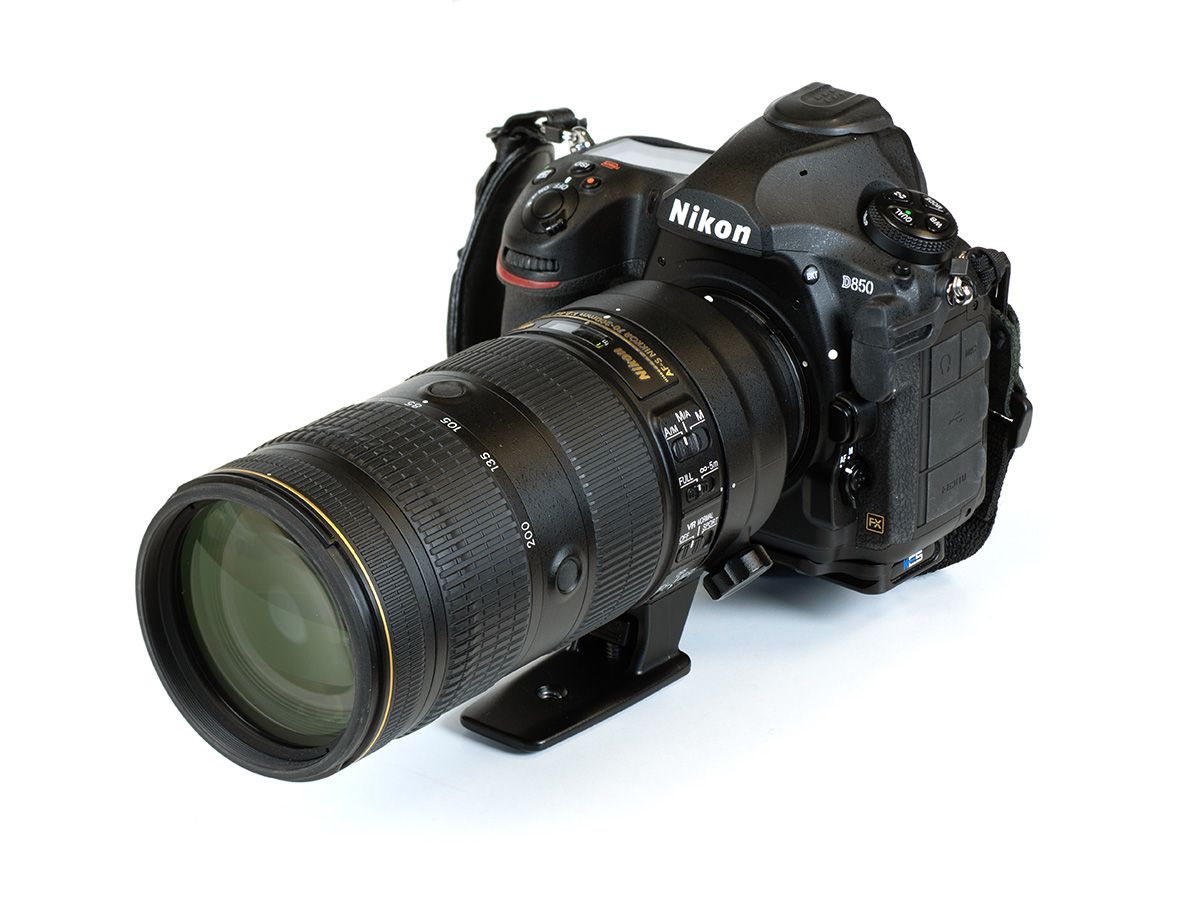
The Nikkor AF-S 70-200mm f/2.8 E FL ED VR is the last of a LONG series of fast medium tele zoom lenses made by Nikon for their (D)SLRs. It all started with the Nikkor 80-200mm f/2.8 ED back in 1988. No less than 8 AF variants were released, with the AF-S 70-200mm f/2.8 E FL ED VR seeing the first light in 2016 – the first designed with a Fluorite element (hence the FL in the name). It’s still listed as in production today (as of 2026). It sells for around $2000 USD.
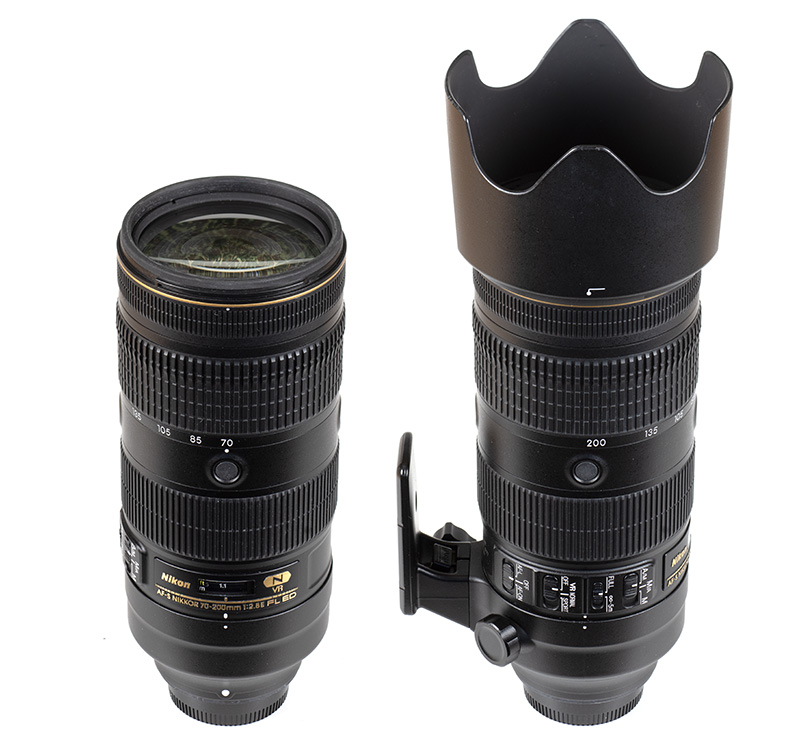
As expected by the target market, the magnesium-alloy lens body features professional-grade, anti-dust, and moisture-resistant weather sealing. By today’s standards it’s a rather heavy lens coming in at 1430g although it is a little more lightweight compared to its direct predecessor also thanks to the already mentioned fluorite element. It’s still good that Nikon added a tripod collar. The front element does already have a fluorine coating to repel dust and grease – something that was introduced during this era. Nikon also implemented 4 focus buttons. The electronically controlled aperture mechanism (-> the “E” in the lens name) ensures precise and consistent auto-exposure across frames when firing at rapid burst rates. A deep petal-shaped hood is provided.
The Silent-Wave AF drive (AF-S) is blazingly fast and silent. Focusing is possible down to 1.1m (0.21x magnification) which is another improvement over the older mk II version. The vibration reduction (aka image stabilizer) is rated with a potential gain of up to 4 f-stops.
| Specifications | |
|---|---|
| Optical construction | 22 elements in 18 groups (6x ED, 1x fluorite, 1x HRI) Nano Crystal Coat Fluorine Coat (front element) |
| Number of aperture blades | 9 (rounded) |
| min. focus distance | 1.1m (max. magnification ratio 0.21x) |
| Dimensions | 88.5 × 202.5mm |
| Weight | 1430g |
| Filter size | 77mm |
| Hood | petal-shaped (bayonet mount, supplied) |
| Other features | Dust- & drip-resistant VR/Optical Image Stabilizer (4 f-stop efficiency) 4x focus buttons Tripod-collar compatible with teleconverters |
| Mounts | Nikon F |
Distortion
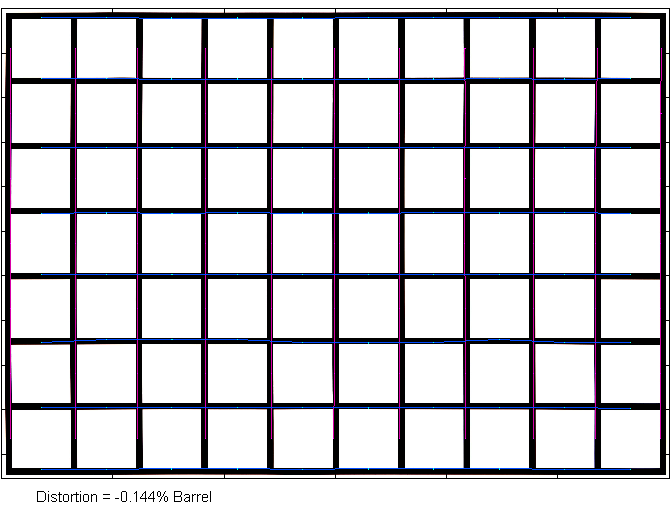
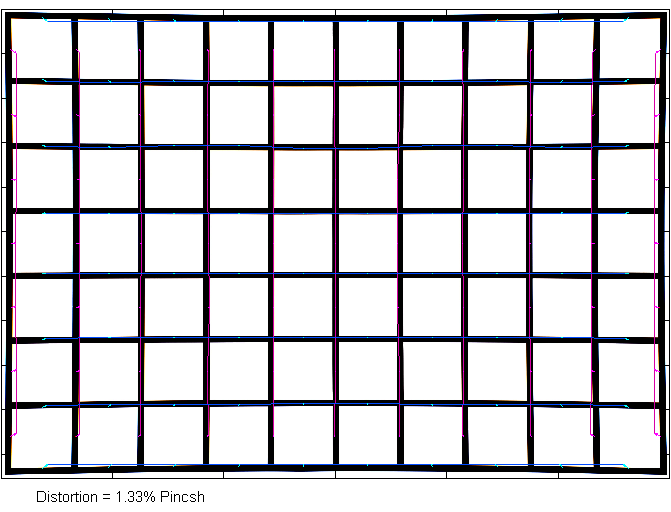
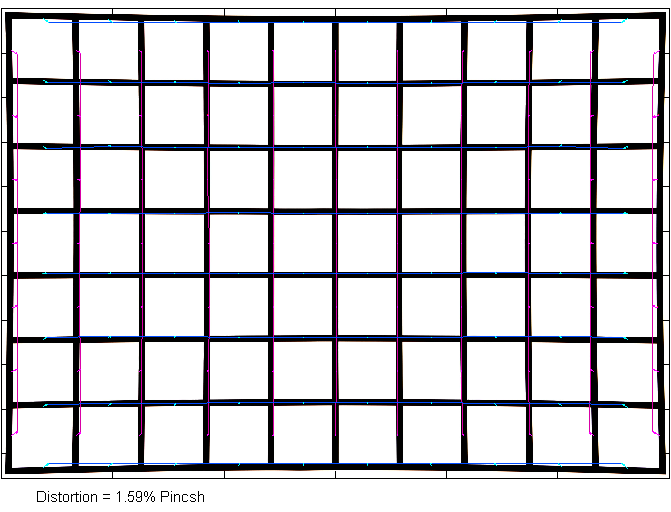
The Nikkor AF-S 70-200mm f/2.8 E FL ED VR is well distortion-corrected. The distortion is negligible at 70mm. At 135mm and 200mm the distortion increases to medium pincushion-type.
Vignetting
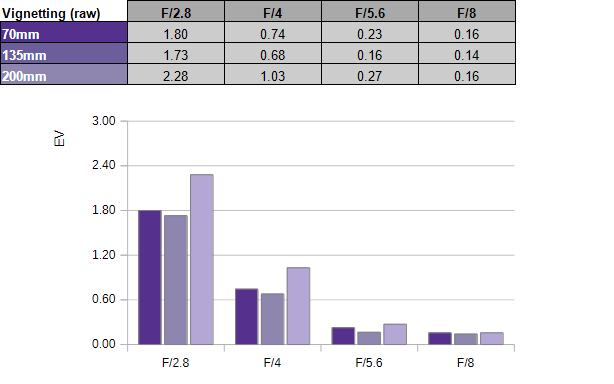
The lens produces some visible vignetting at wide-open aperture peaking at more than 2 EV (f-stops) at 200mm. However, stopping down to f/4 reduces this substantially, and the light falloff is practically gone from f/5.6.
MTF (resolution)
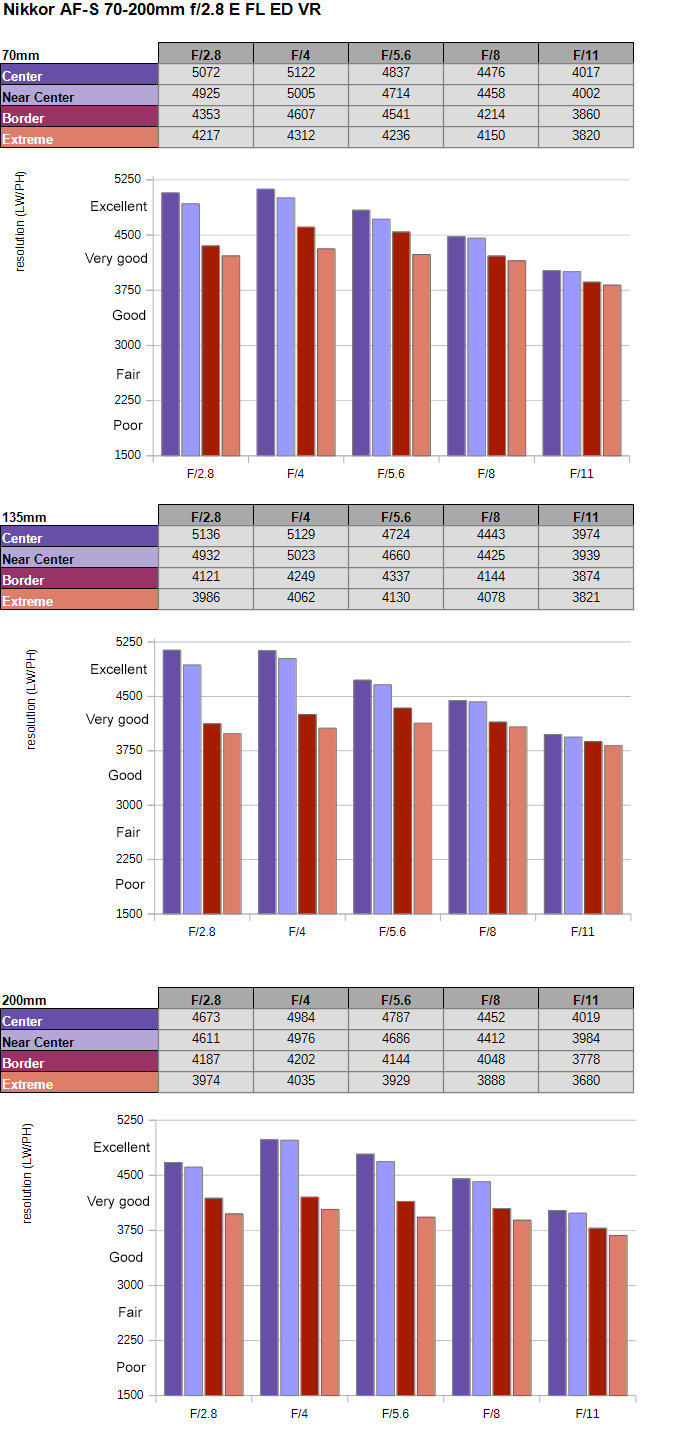
The resolution is impressive even at 45 megapixels (on the D850). At 70mm, the center quality is outstanding at f/2.8 already. The outer image field is also very sharp at this setting. Stopping down still lifts the border/corner quality a tad. Diffraction reduces the quality from f/5.6. The overall quality is still very good – if only just – at f/11. This characteristic is mostly maintained at 135mm. The center quality is marginally reduced at 200mm f/2.8 but it remains excellent – especially at f/4. The border/corner quality is still very good from f/2.8 to f/8.
Please note that the MTF results are not directly comparable across the different systems! Below is a simplified summary of the formal findings. The chart shows line widths per picture height (LW/PH) which can be taken as a measure of sharpness. If you would like to know more about the MTF50 figures, you may check out the corresponding Imatest Explanations.
Chromatic Aberrations (CAs)
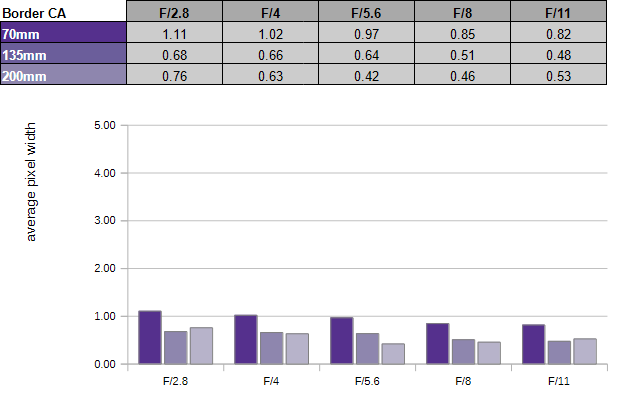
Chromatic aberrations (color shadows at harsh contrast transitions) are well controlled. They hover around an average CA pixel width of 1px at 70mm and are reduced at longer focal lengths. This is usually nothing to worry about in real-world images.
Bokeh
Sharpness is important but a fast medium-tele lens is also meant for shallow depth-of-field photography so let’s see what the bokeh can give us here.
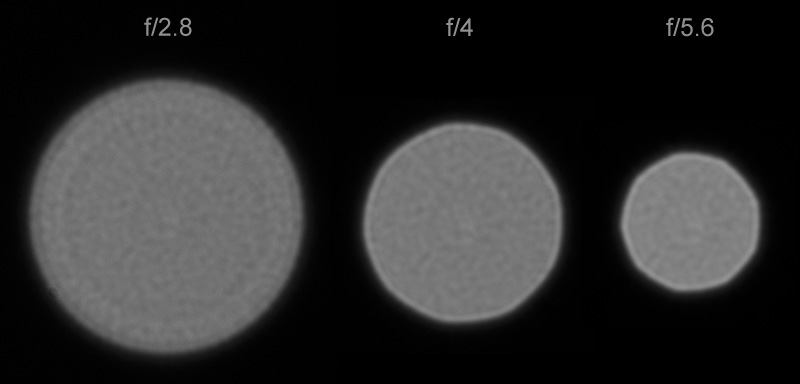
Out-of-focus highlights are perfectly circular at f/2.8. The inner zone of the disc is somewhat grainy and there are faint onion-like rings. The disc edge is nicely soft. Stopping down to f/4 produces outlining at the disc edges. The more edgy aperture shape is showing up from f/5.6.
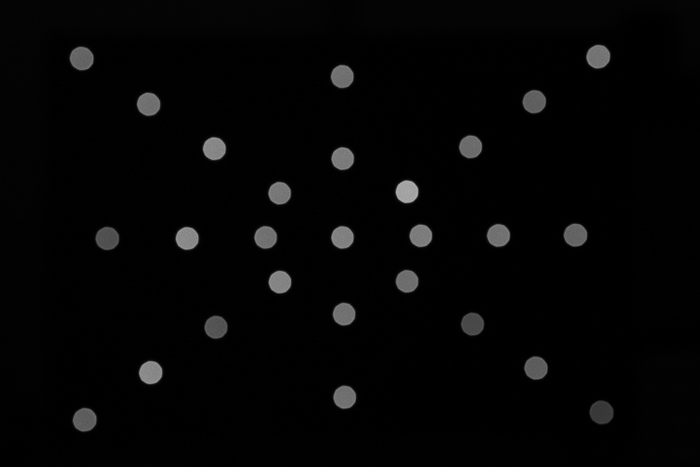
The circular disc shapes are maintained across most of the image frame as you can see below. Only the corner discs are slightly distorted. Stopping down to f/5.6 restores the corner discs in full.


The general out-of-focus rendition is smooth in the image background (shown to the left below). The foreground blur is a bit more “smeary” but still pretty good.

Bokeh Fringing / LoCA
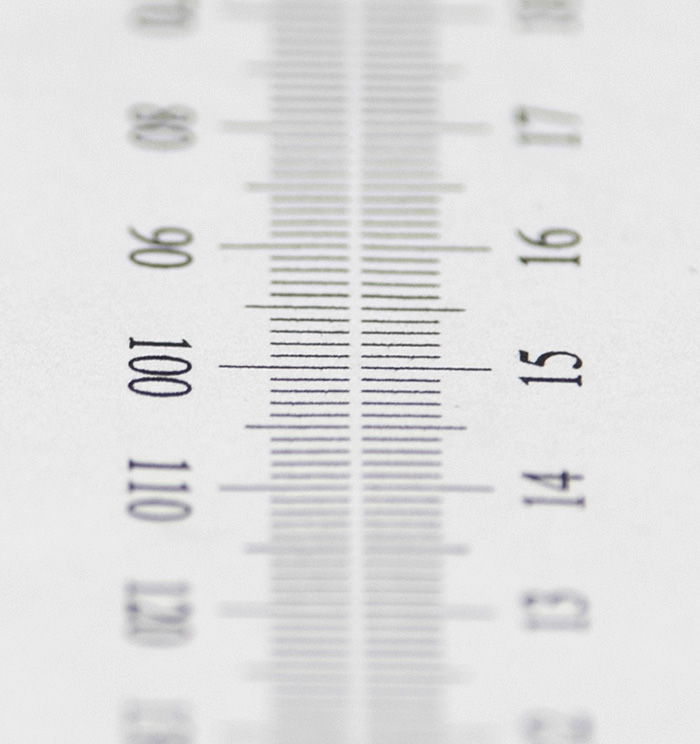
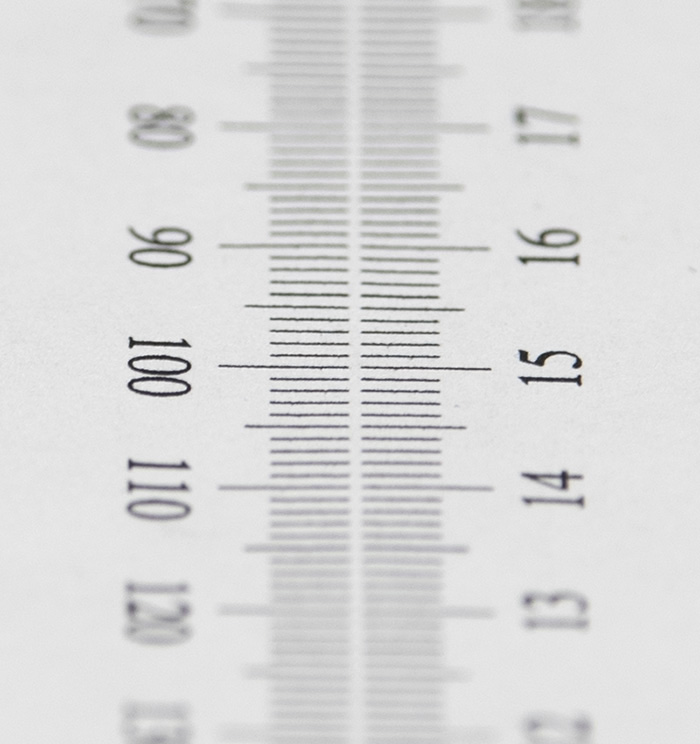
Bokeh fringing (non-coinciding focal planes of the various colors) is a common issue with relatively fast glass. As you can notice below, the halos have different colors – magenta (red + blue) in front of the focus point and green beyond. Unlike lateral CAs, bokeh fringing cannot easily be fixed in post processing.
There’s only marginal fringing visible at f/2.8 and it’s mostly gone from f/4. An excellent result here – probably curtesey of the fluorite element in the optics.
Some reports mention a focus shift when stopping down. However, if you scroll through the aperture range below that’s undetectable in our test sample.
Sample Shots


The Nikkor AF-S 70-200mm f/2.8 E FL ED VR may not have been the final F-mount lens but it's the last of the glorious fast medium tele zoom lenses for Nikon (D-)SLRs. Even by today's standards it's a great lens that can still compete with the best. Its sharpness is superb between 70mm and 135mm and still very impressive at 200mm. Lateral CAs are low while axial CAs are almost non-existant. Image distortions can be visible from the mid-range but not extreme. There's some vignetting at f/2.8, though. The bokeh is very good for a zoom lens although primes are still better here.
In terms of build quality the Nikkor provides what is expected from professional photographers. It's tough as nails thanks to a magnesium-alloy body and extensive weather sealing. The AF is extremely fast on the latest Nikon DSLR generation. The image stabilizer (VR) may not be as effective as on Z-mount successors but it's still pretty good.
If you are still a die-hard DSLR fan ... with deeper pockets ... the Nikkor AF-S 70-200mm f/2.8 E FL ED VR is an obvious choice. Thus, highly recommended!
If you'd like to support our work, please consider shopping for this or other lenses via one of the following partners:
* Amazon (US)
* Amazon (EU)
* B&H (US)
* Adorama (US)
* KEH (used gear, US)
The Good
- Impressive sharpness throughout
- Low axial and lateral CAs
- Pro-grade build quality
- Ultra-fast AF
The Bad
- Some vignetting at f/2.8
- Heavy by today's standards
-
Optical Quality
-
Build Quality
-
Price / Performance