


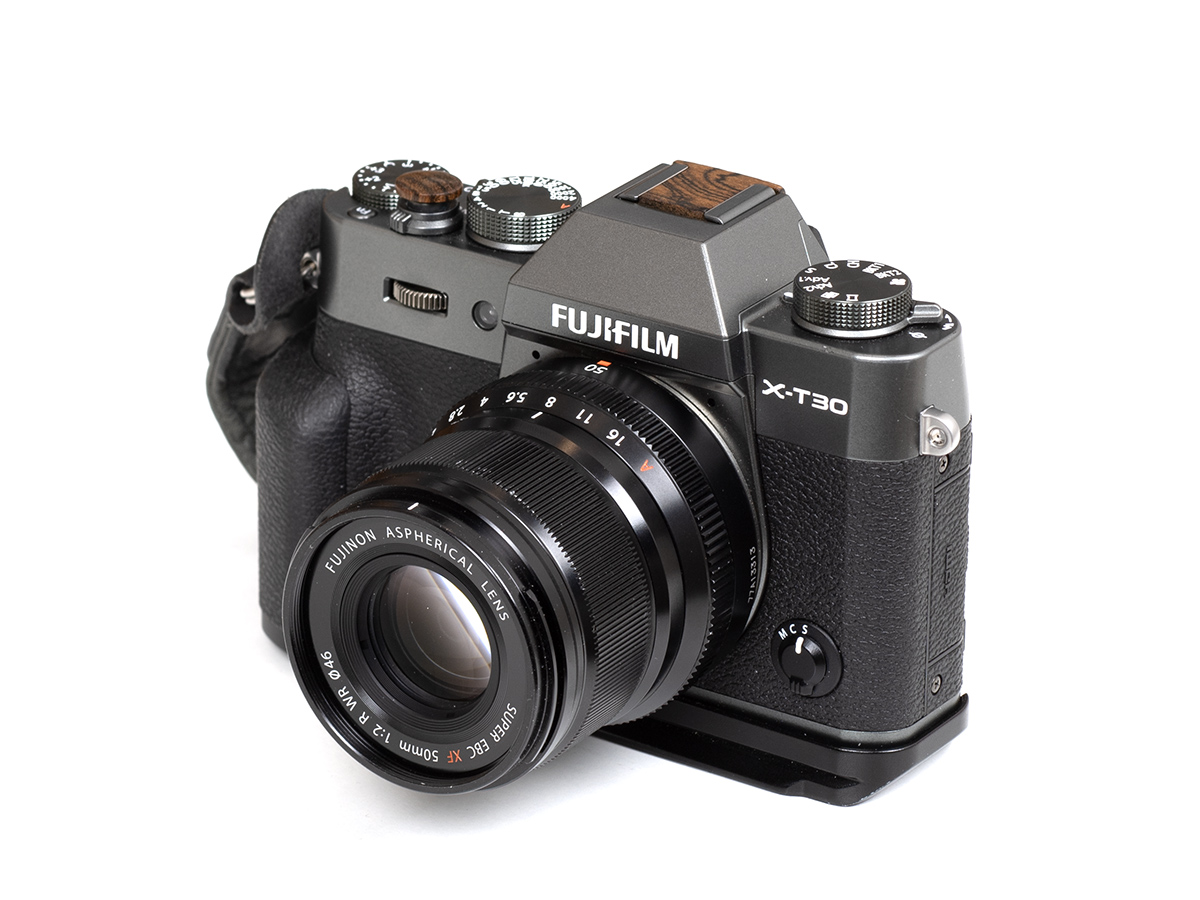
The XF 50mm f/2 R WR is the third addition to the range of lenses sometimes referred to as “Fujicrons”: small and lightweight yet sturdy primes with a maximum aperture of f/2. The Fujinon offers a field of view that is roughly equivalent to a 75 mm lens on a full-frame camera, a focal length that is quite popular on traditional rangefinder cameras (read: Leica), so one group of potential customers Fuji is aiming for with the X-Pro series cameras.
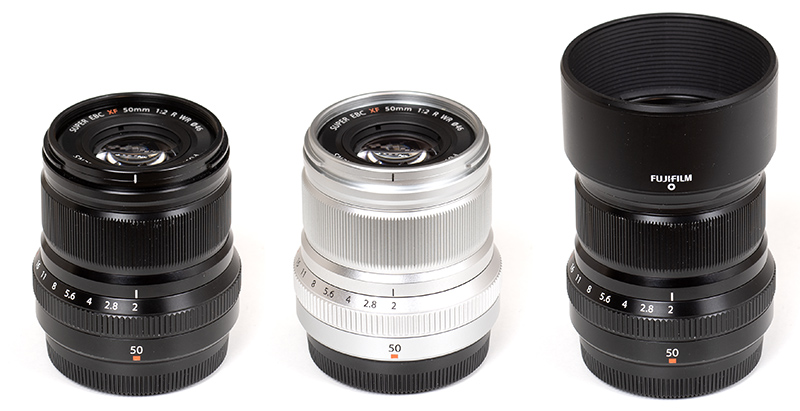
Like its siblings, the 50mm lens shows a very high level of build quality. There’s a tightly assembled outer barrel made from metal, based on a metal mount. The very broad focus ring operates very smoothly. The lens has a dedicated aperture ring with very distinctive 1/3EV steps. It features a weather- and dust-resistant structure with seals and can also work in temperatures as low as -10°C. A quite long barrel-shaped hood is part of the package, but unfortunately (again) it’s made from fairly cheap-looking (and feeling) plastic and doesn’t quite match the otherwise high build-quality level of the lens. Just like the other “Fujicrons”, the lens is available in black or silver color options.
The (inner) AF operates fast and essentially noiselessly. As usual for Fujinons, manual focusing works “by wire” thus by triggering the AF motor.
| Specifications | |
|---|---|
| Equiv. focal length | “76mm” (full format equivalent) |
| Equiv. aperture | “f/3” (full format equivalent, in terms of depth-of-field) |
| Optical construction | 9 elements 7 groups (1x aspherical ED) |
| Number of aperture blades | 9 (circular) |
| min. focus distance | 0.39m (max. magnification ratio 1:6.7) |
| Dimensions | 60 × 59.4mm |
| Weight | 200g |
| Filter size | 46mm |
| Hood | barrel-shaped (bayonet mount, supplied) |
| Other features | weather- sealing aperture ring |
Distortion
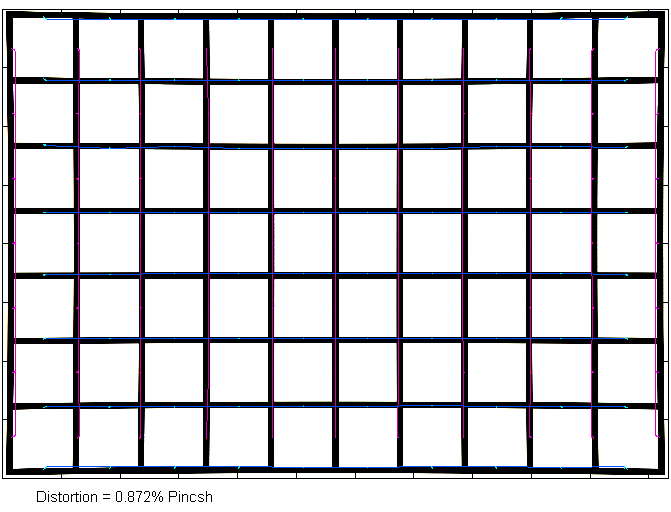
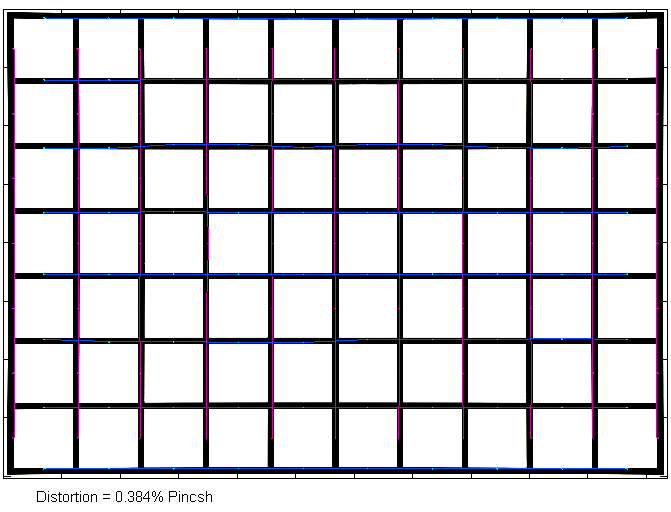
For some of the Fujinon XF lenses (the XF 50 being one of them), Fuji automatically corrects distortion in JPGs. Most RAW converters do the same, but some (e.g. CaptureOne) allow switching iff this correction, thus showing the native distortion characteristic of the lens.
Corrected, the lens shows around half a percent of pincushion distortion, which is basically insignificant in real-life. The native, uncorrected distortion is slightly more pronounced at around 1%, which is still an acceptable amount.
Vignetting
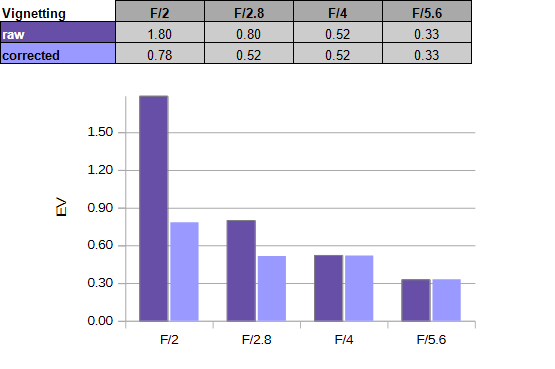
Vignetting is also automatically corrected, and quite well so. Wide open, there’s a fairly moderate amount of ~0.8 EV (f-stops), steadily decreasing to ~0.3 EV stopped down.
The uncorrected native vignetting of the lens is considerably higher, though. Wide open, it’s 1.8 stops, decreasing to a bit less than one stop at f/2.8. From f/4 onwards, the vignetting is down to half a stop and probably no longer corrected (the slightly different values shown in the diagram are within the accuracy limits of the measurement).
Most users will likely rely on the automated vignetting correction and never notice the lens’ high native vignetting. However, one should be aware of the drawbacks of software-corrected vignetting (like increased corner noise).
MTF (resolution at 26 megapixels)
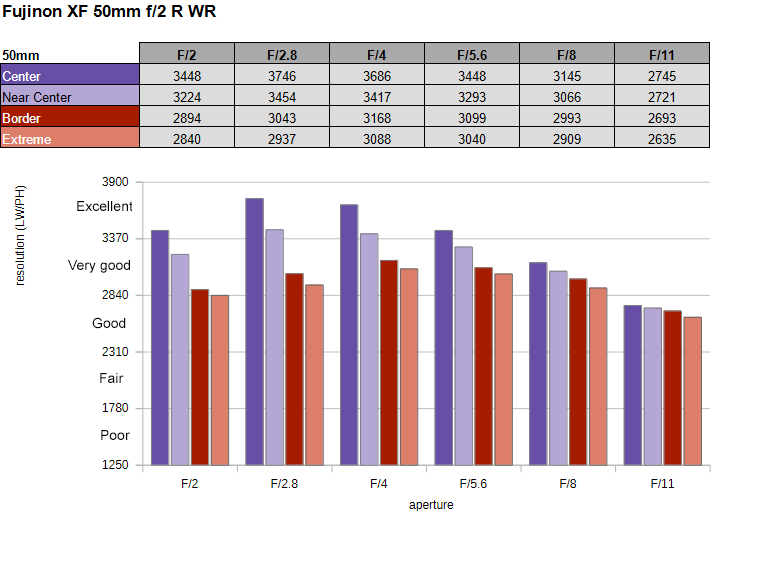
The lens produced very high sharpness in the lab. It delivers excellent resolution in the image center straight from the maximum aperture. The borders and extreme corners are good to very good. Stopping down to f/4 increases the bite in the broader center and there’s a mild improvement in the outer image field as well. The latter reaches its peak at f/4. Diffraction limits the quality beyond f/5.6 although f/8 remains perfectly fine and f/11 is usable.
The field curvature is low. The centering quality varies heavily. Markus tested several copies with slightly different results. The described results are the best of the bunch.
Please note that the MTF results are not directly comparable across the different systems!
Below is a simplified summary of the formal findings. The chart shows line widths per picture height (LW/PH) which can be taken as a measure for sharpness. If you are keen to know more about the MTF50 figures, you may check out the corresponding Imatest Explanations
Chromatic Aberrations (CAs)
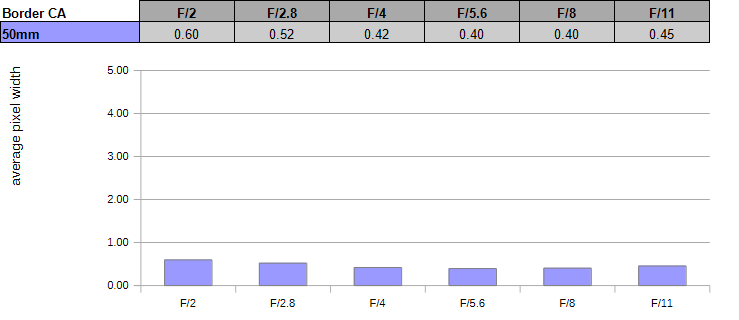
The lateral CAs (color shadows at hard contrast transitions) are well controlled with just 0.5 pixels on average at the image borders wide open, decreasing to half of that level by stopping down.
Bokeh
The XF 50mm f/2 is reasonably fast for an APS-C lens so shallow depth-of-field photography is possible at and below medium focus distances.
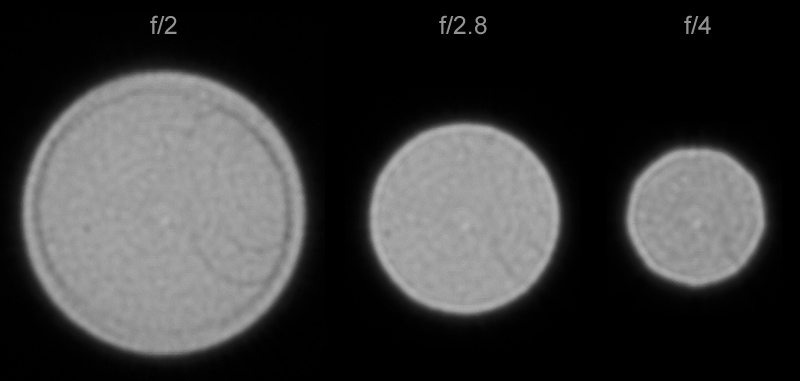
Out-of-focus highlights are a bit of a mixed bag. The center discs are perfectly circular at f/2 and f/2.8 before a slight edginess creeps in at f/4. The inner zone of the discs is moderately grainy but it shows a fairly obvious sub-ring at f/2 (plus some dust here). This inner ring is gone at f/2.8. There’s a slight outlining of the discs here as well as at f4.
As so often, the circular shape is only maintained at and near the center of the image frame. The borders and especially the corners show the usual “cat eyes” at f/2. The border discs are restored at f/2.8 whereas the corner discs require f/4 for a near-circular shape.
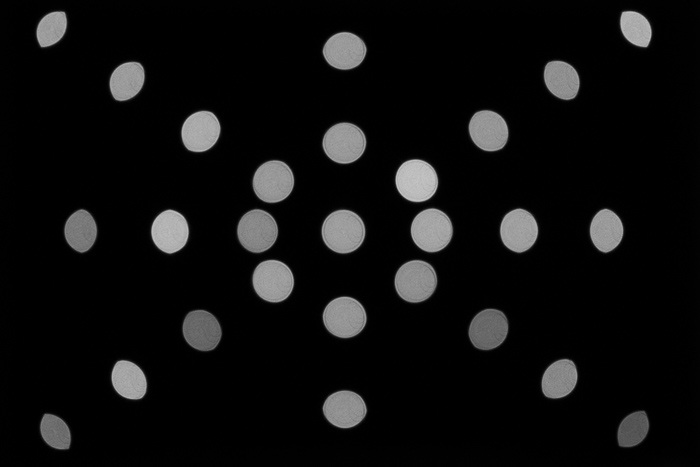
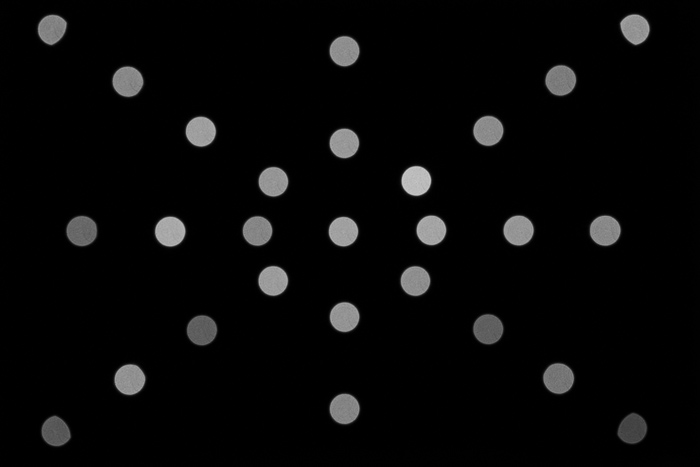
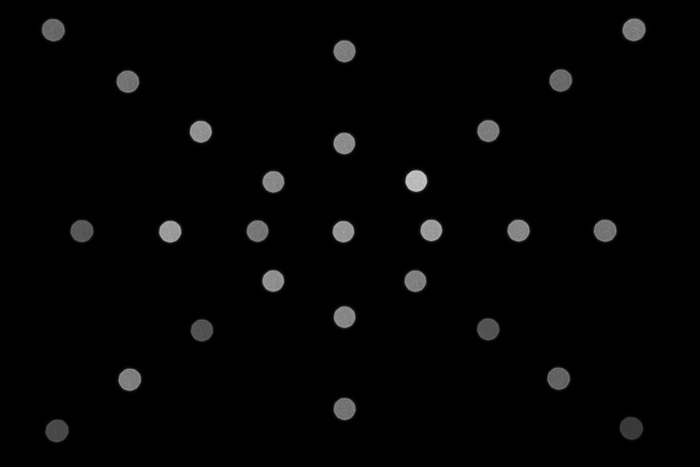
The general rendering in the focus transition zone is very smooth in the image background (shown to the left below). The foreground rendering shows double edges and is more busy.
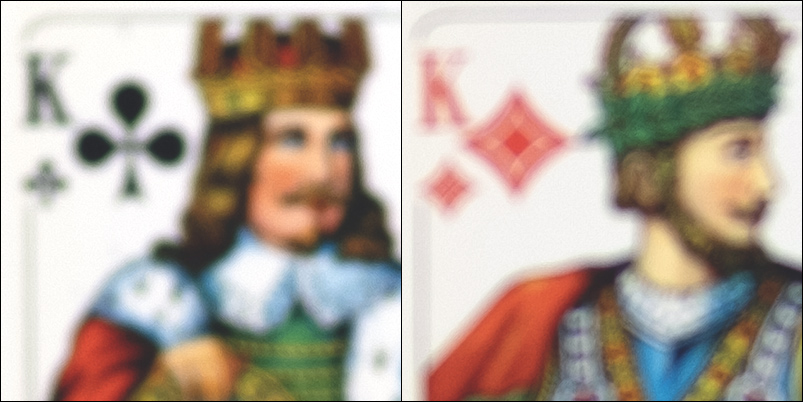
Bokeh Fringing / LoCA
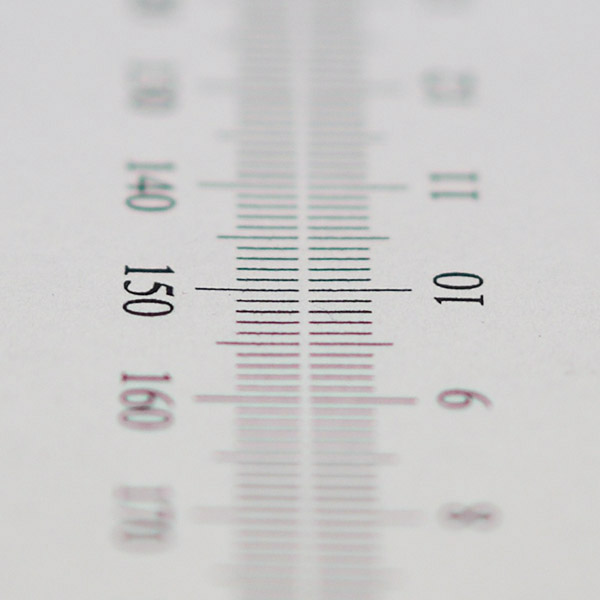
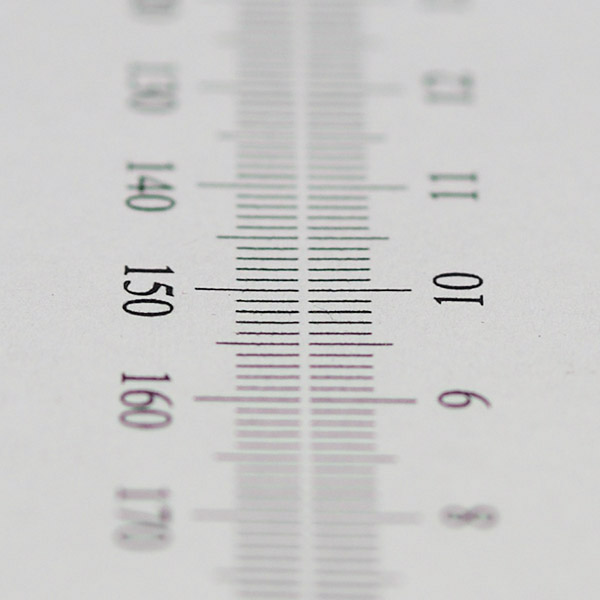
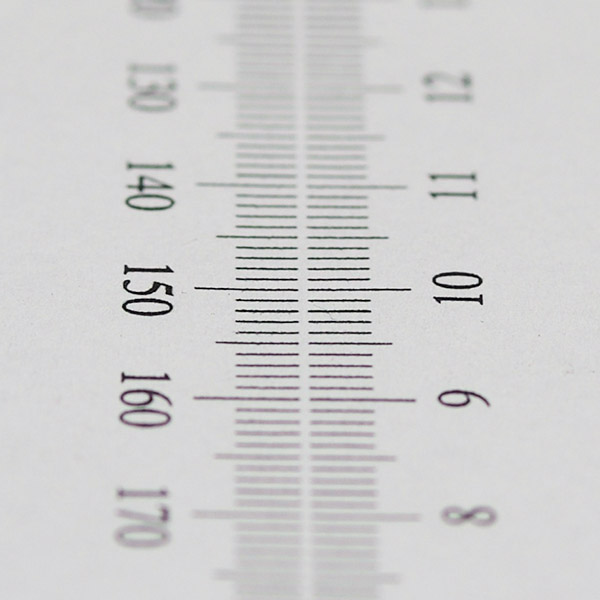
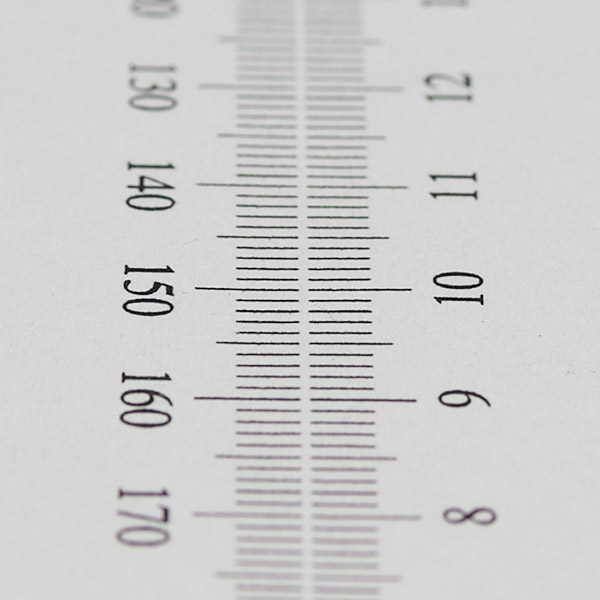
Bokeh fringing is an axial color fringing effect. It can show up as purple halos in front of the focus point and greenish halos in the background.
The Fujinon XF 50mm f/2 R WR produces significant fringing at f/2 and f/2.8 It’s very reduced at f/4 and mostly gone from f/5.6.
Competition
The 50-ish segment is busy in X-mount. At around $500, you can get the excellent Viltrox AF 56mm f/1.2 Pro XF. It’s a MUCH bigger lens but it’s also MUCH faster and at least as good. For less than half the price you could get the Viltrox AF 56mm f/1.7 Air XF. Mechanically, it’s not quite on the same level but it’s sharp. The Sigma 56mm f/1.4 DC Contemporary is another great option in this price range. And there are several more alternatives from Yongnuo, Sirui, Meike, Brightin Star, 7Artisans, TTArtisans …
Sample Shots


The Fujinon XF 50mm f/2 R WR is the best of the current "Fujicron" trio. It delivers high sharpness across the frame, combined with mostly smooth bokeh. Distortion is handled well by Fujifilm's auto-correction, but even uncorrected it's not overly excessive. Vignetting is similarly well corrected, and that's needed because the native light falloff is on the high side at f/2.
The build quality is exceptional ... except for the plastic hood. Despite the metal housing, the lens remains very light-weight, and it's compact as well.
All in all, this is a very nice short telephoto lens that is a lot of fun to use in the field. Despite its age, it's still "highly recommended," but if you go for one make sure that you've got a good sample (...).
If you'd like to support our work, please consider shopping for this or other lenses via one of the following partners:
* Amazon (US)
* B&H (US)
* Adorama (US)
* KEH (used gear, US)
The Good
- Consistently sharp
- Nice background bokeh
- Great build quality
The Bad
- Not the fastest 50 around for the price
-
Optical Quality8
-
Build Quality9
-
Price / Performance7