


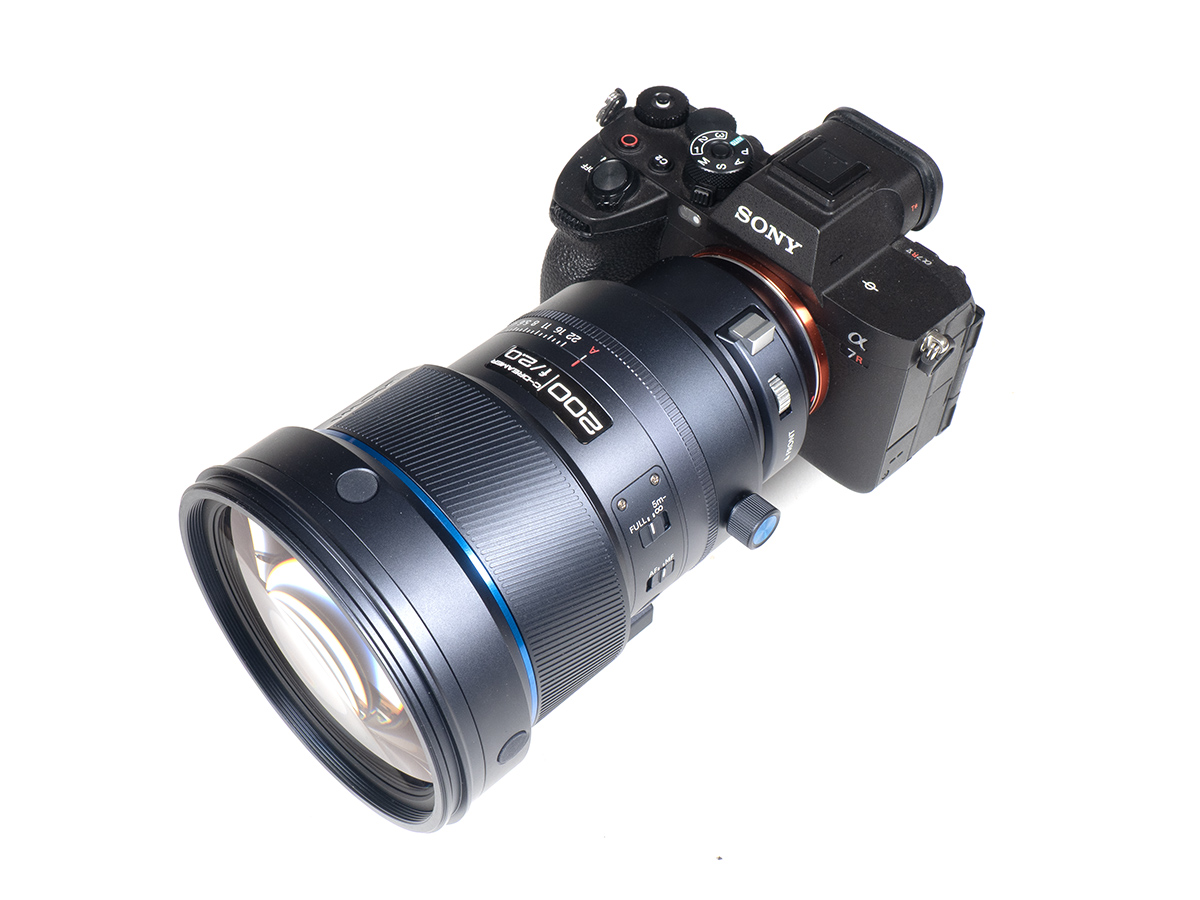
Today, we are discussing something very different. It’s rare that a fast, long tele prime lens finds its way into the lab – also because there are only a few of them anyway. And even fewer are available from third-party manufacturers. And it’s even more baffling that this one comes from a Chinese vendor – so let’s welcome the Laowa AF FF 200mm f/2 C-Dreamer.
The lens is available for $1799 in Canon EF-mount and $1999 in Sony E- & Nikon Z-mount – so yes, it’s a hybrid design for both Canon DSLRs and mirrorless systems. Let’s see how it goes.
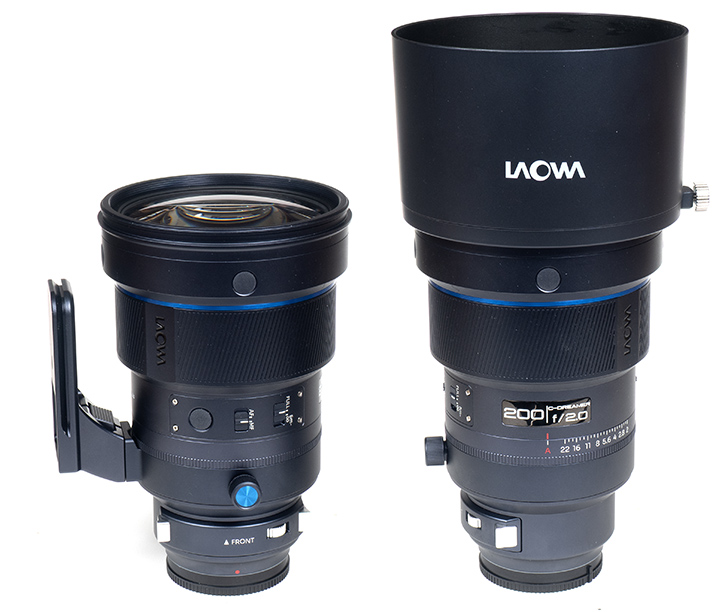
The build quality of the Laowa AF FF 200mm f/2 C-Dreamer is outstanding and also quite posh with its gunmetal gray finish. It’s an all-metal body down to the control rings, but it’s still relatively lightweight at just under 1.8 kg. Even so, the detachable tripod collar (Arca-Swiss compatible) was a good idea here. Weather-sealing has also been implemented. There’s a dedicated aperture ring, an AF/MF switch, a focus limiter, and an Fn button. Unsurprisingly, the front element is huge, but you can still attach (expensive) 105mm filters. There’s also a 43mm filter holder at the rear of the lens. The deep barrel-shaped (plastic) lens hood can be screwed on.
As the lens name implies, this is an AF lens with full EXIF support. The AF isn’t blazingly fast but still pretty snappy. Manual focusing works “by-wire”, as usual.
| Specifications | |
|---|---|
| Optical construction | 11 Elements in 9 Groups (1x AD, 1x Ultra HR, 2x ED) |
| Number of aperture blades | 9 |
| min. focus distance | 1.5m (max magnification: 0.15x) |
| Dimensions | φ 118×174.8mm |
| Weight | 1780g |
| Filter size | φ105mm (Rear filter holder: 43mm) |
| Hood | barrel-shaped (supplied) |
| Other features | Tripod collar (w/ Arca-Swiss) Aperture ring Weather-sealed Function button Focus limiter |
Distortions
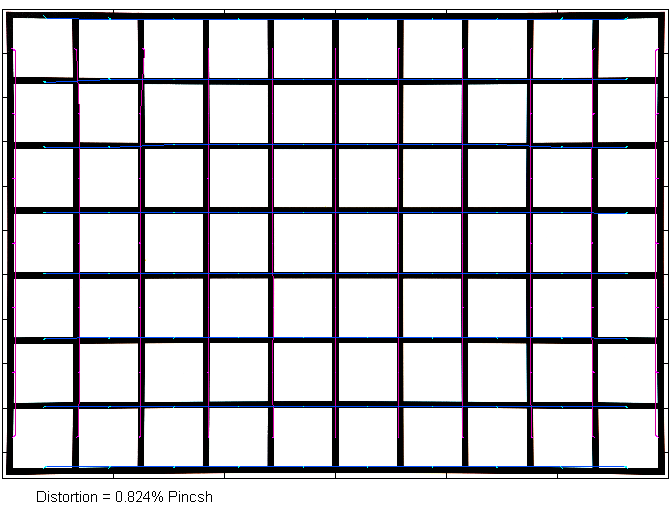
The Laowa AF FF 200mm f/2 C-Dreamer produces slight pincushion distortions (0.8%). There is no built-in correction profile, although it’s likely that at least Photoshop will provide one eventually.
Vignetting
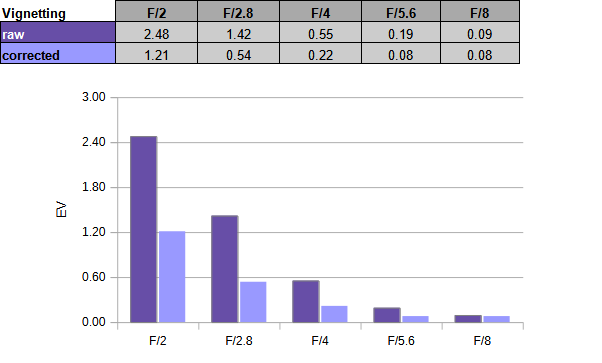
The raw vignetting is about in line with what you can expect from such a high-speed lens. At f/2, the light falloff is quite heavy at 2.5 EV (f-stops). This is reduced by 1 EV at f/2.8, and it’s negligible beyond. There is an auto-correction profile available for vignetting compensation. Activated, it reduces the vignetting substantially at f/2 down to 1.2 EV. The vignetting is mostly gone from f/2.8 in this case.
MTF (resolution) at 42 megapixels
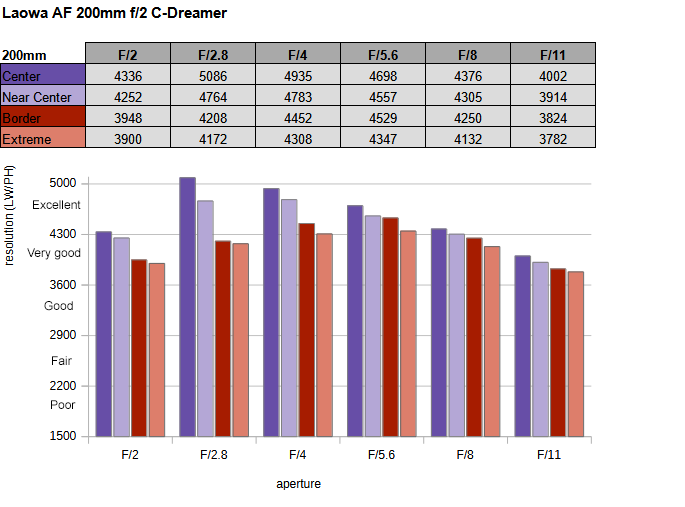
The Laowa lens produced very high resolution figures in the lab. At f/2, the results are slightly subdued but still reach very good quality across the image frame. The peak performance is achieved between f/2.8 and f/5.6. The broader center quality is superb at these settings. The outer image field is very high at f/2.8 and excellent at f/4 to f/5.6. Diffraction has a higher impact from f/11. f/11 remains perfectly usable, though.
The centering quality of the tested sample was Ok. The field curvature is flat.
Please note that the MTF results are not directly comparable across the different systems!
Below is a simplified summary of the formal findings. The chart shows line widths per picture height (LW/PH) which can be taken as a measure of sharpness. If you are keen to know more about the MTF50 figures, you may check out the corresponding Imatest Explanations.
Chromatic Aberrations (CAs)
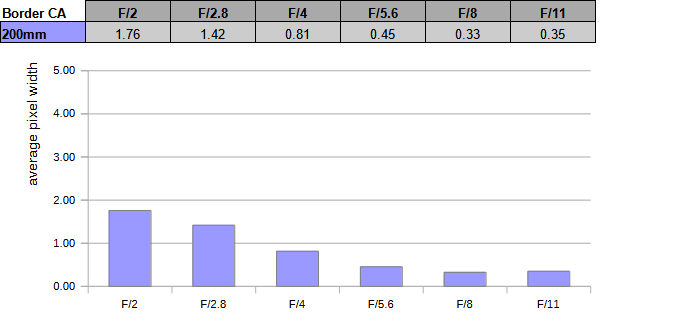
Lateral CAs are somewhat elevated at f/2 with an average pixel width of ~1.8px at the image borders. This is gradually reduced the more you stop down, and it’s negligible from f/5.6. A good RAW converter should be able to handle lateral CAs automatically.
Bokeh
You don’t purchase such a lens for its focal length but for its speed and, as such, its ability to produce a shallow depth-of-field. So let’s check the technical quality of the bokeh.
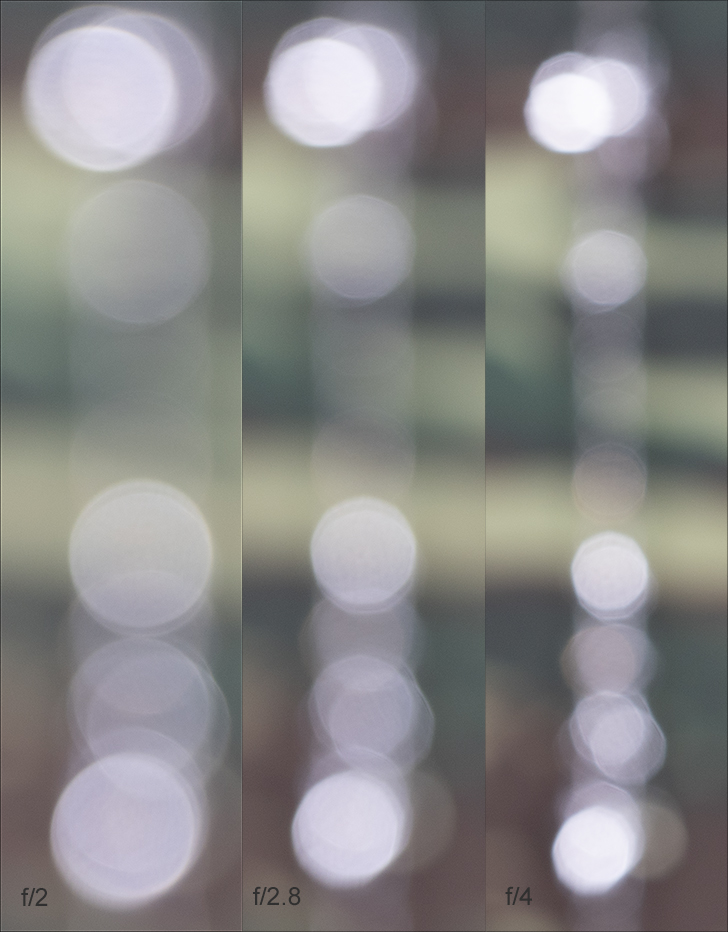
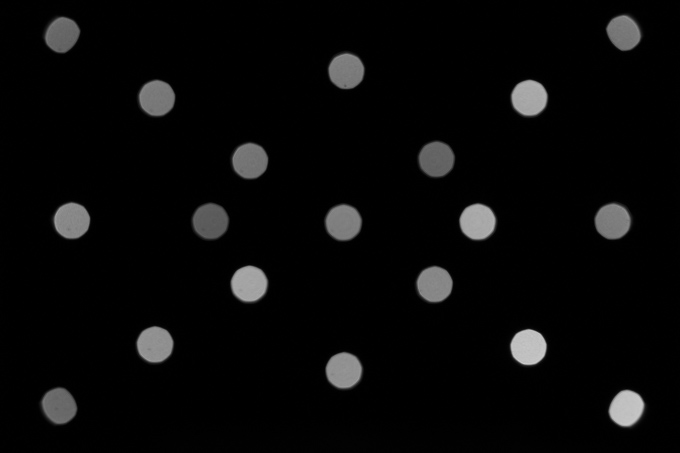
Out-of-focus highlights are nicely rendered near the image center. The inner zone of the discs isn’t absolutely smooth – curtesy of the aspherical element in the design – but it’s smooth enough. There’s only a slight outlining at the edge of the discs. The discs are perfectly circular at f/2. Traces of edginess creep in at f/2.8 and a bit more so at f/4, but it’s not much.
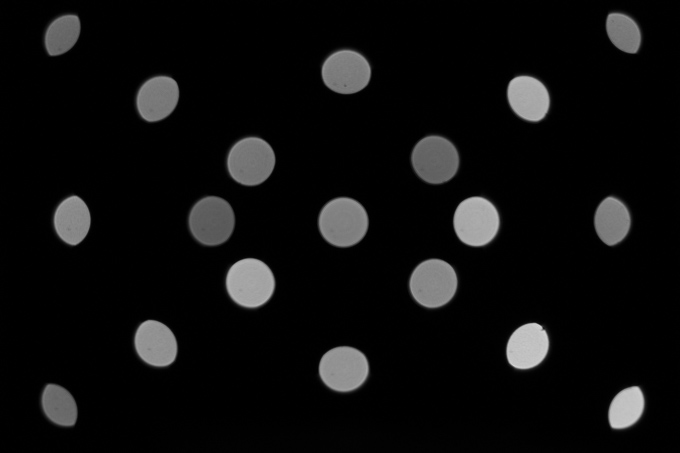
When observing the highlight rendering across the image field, there’s a medium deterioration of the discs towards the edges of the image field. Cat eyes are obvious in the image corners. Stopping down to f/2.8 restores most of the highlights to their circular shape, and they are fully back to normal at f/4.

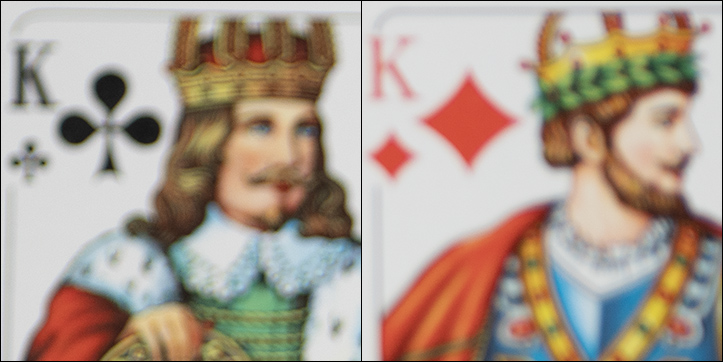
The blur rendering in the focus transition zone is good. The background blur (to the left below) is mostly smooth with just a hint of nervousness at hard transitions. The foreground blur (to the right) is very smooth.
Bokeh Fringing / LoCA
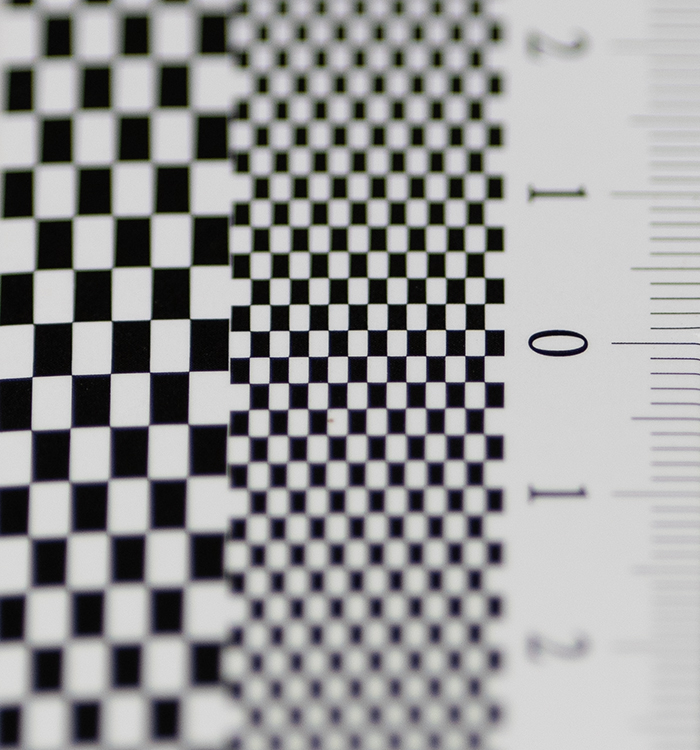
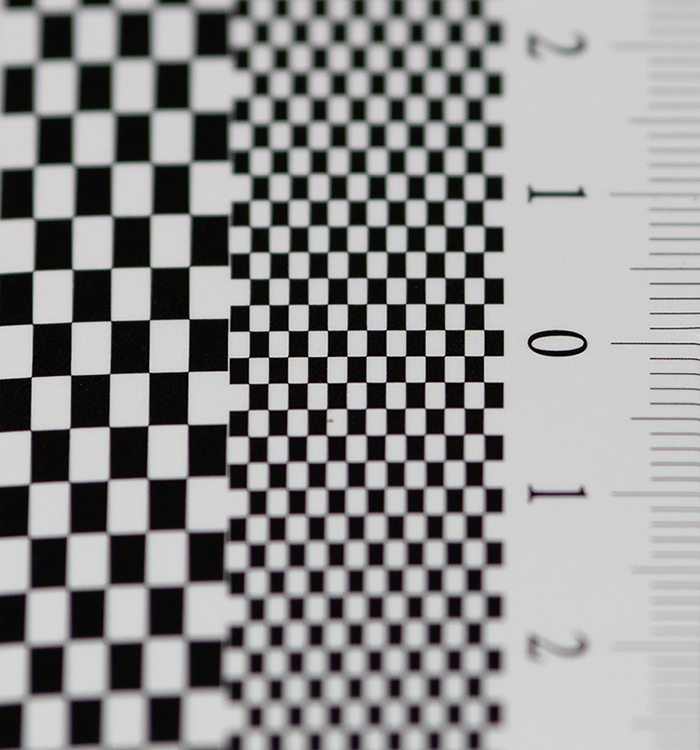
LoCAs, or bokeh fringing, is a color fringing effect on the Z-axis. It shows up with a purplish tint in front of the focus point and a greenish tint behind – and it’s nearly impossible to fully correct in post.
The Laowa AF 200mm f/2 only shows a slight color fringing at f/2. Traces remain at f/2.8, and they are basically gone at f/4. A good result in this chapter for such a lens design.
There is no detectable focus shift (RSA – “Residual spherical aberrations”) when stopping down.
Competition
While Sony doesn’t provide a fast 200mm prime lens, Sigma does. The Sigma 200mm f/2 DG OS Sports is available for $3299 USD. That’s quite a bit more than the $1999 USD for the Laowa lens. The Sigma does provide some more peace of mind when it comes to servicing, though. The closest match in the Sony lineup is the Sony FE 50-150mm f/2 GM. It’s twice the price and obviously a bit shorter at the long end – to be reviewed soonish.
Sample Images


The Laowa AF FF 200mm f/2 C-Dreamer is in a market segment that hasn't been touched by any Chinese manufacturer so far. A 200mm f/2 is high-end stuff and surely a risky move by Laowa - and it's also a bold statement. The delivered quality is pretty impressive, and that's not just for the money. At f/2, there's still room for improvement in the critical image center, but it's already very good here. At smaller apertures, the lens can truly compete with the best. Image distortions are fairly well controlled, although not completely absent. The vignetting is quite low with activated auto-correction. Axial CAs (aka bokeh fringing aka LoCAs) are present but not disturbing. The bokeh is generally good as well.
The build quality of Laowa's new AF lenses has been great, and the Laowa AF FF 200mm f/2 C-Dreamer is no exception. The all-metal lens body feels very solid. They still managed to keep the weight at bay, although you will feel the 1.8 Kg after some hours, of course. The AF speed is fine, although it's still behind Sony's latest iteration of AF motors. Probably not a huge surprise there.
All this has to be seen in the context of its pricing. $1999 USD is surprisingly affordable for what you are getting here. So it's an easy value recommendation here!
The Good
- Exceedingly sharp from f/2.8
- Outstanding build quality
- Baffling price tag for such a lens
The Bad
- A correction profile for image distortions would have been nice
- Somewhat elevated lateral CAs at f/2
-
Optical Quality
-
Build Quality
-
Price / Performance