


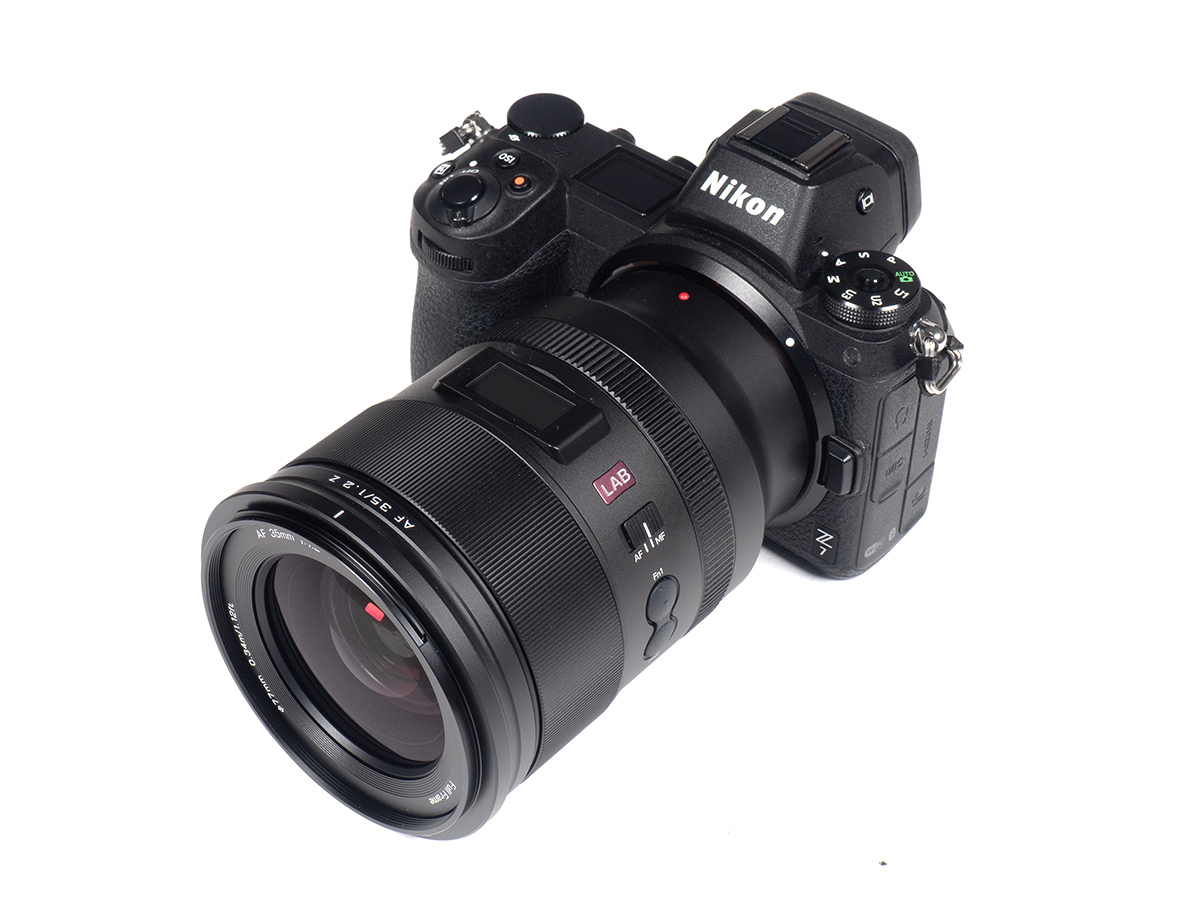
A while ago, we already tested the Viltrox AF 35mm f/1.2 LAB in E-mount. Let’s have another look how it performs in Z-mount also to evaluate the consistency across multiple samples. For obvious reasons, some portions of the Sony article have been reused here.
The Viltrox AF 35mm f/1.2 LAB is a member of their highest grade of lenses, following the great AF 135mm f/1.8 LAB FE/Z. Needless to say, 35mm lenses are among the most versatile out there. They can be used for anything from street photography, to nightscapes, landscapes, and even portraits. In terms of pricing, Nikon users may be delighted to get an alternative to the insanely priced Nikkor Z 35mm f/1.2 S. The Viltrox lens comes in at roughly 1/3rd of the cost (999USD, 999EUR, 959GBP, 1449CAD, 169200JPY).
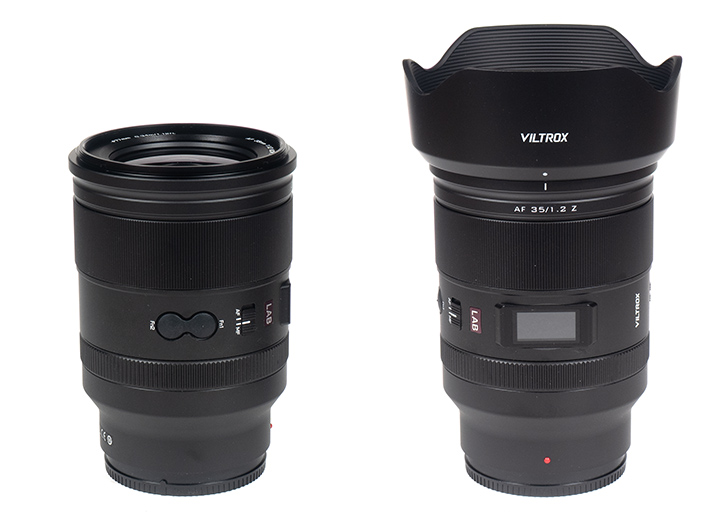
The first thing you’d notice after unboxing is the size and especially the weight, although that’s to be expected from an f/1.2 lens. Overall, we’d rate the build quality of the Viltrox AF 35mm f/1.2 LAB Z as excellent. It’s an all-metal construction, including weather sealing and a smoothly turning focus ring. In terms of controls, there is also a de-clickable aperture ring, 2 custom buttons, and the AF/MF switch. We aren’t huge fans of the unmarked, infinitely scrolling aperture ring, but this approach may make life a little easier for the video folks. The lens has an internal focusing system, including a dual floating system for close focus correction. A petal-shaped lens hood is included. It uses a “Hyper-VCM” (Voice-Coil Motor) for focusing. A VCM is an electromagnetic linear actuator where the magnet is fixed, and the coil is mobile. It has to perform some heavy work because of the weight of the glass elements here. We’d still rate the AF speed as very good. Manual focusing works by wire – as usual. Unusual is the TFT display that is showing the focus distance and current aperture. Whether such a feature is really needed is debatable, but it doesn’t hurt either.
| Specifications | |
|---|---|
| Optical construction | 15 elements in 10 groups (5x ED, 3x HR, 2x aspherical) |
| Number of aperture blades | 11 |
| min. focus distance | 0.34m (max magnification: 0.17x) |
| Dimensions | φ89.2×123.5mm |
| Weight | 970g |
| Filter size | φ77mm |
| Hood | petal-shaped (bayonet mount, supplied) |
| Other features | Dual floating system Aperture ring (de-clickable) 2x custom buttons (focus lock, A-B distance preset) Color display Firmware updates via USB-C/Bluetooth |
Distortions
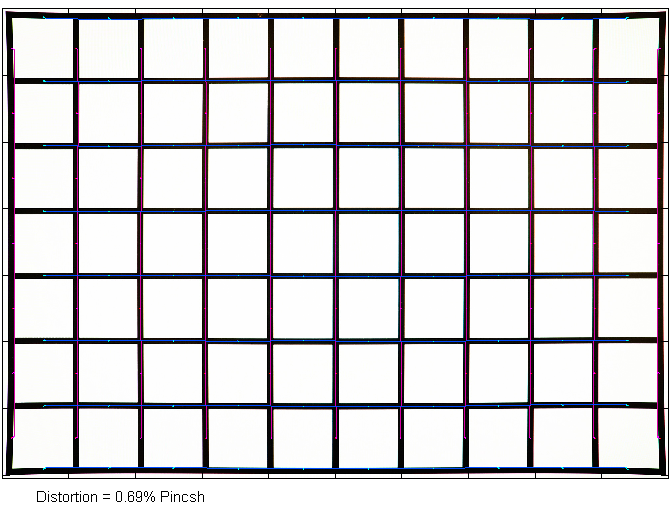
We received a pre-production sample that didn’t contain a correction profile for distortions yet. They may have added this to the production version by now, though. The Viltrox lens produces a native image distortion of 0.7% pincushion-style. This is better than usual in this age of mirrorless cameras.
Vignetting
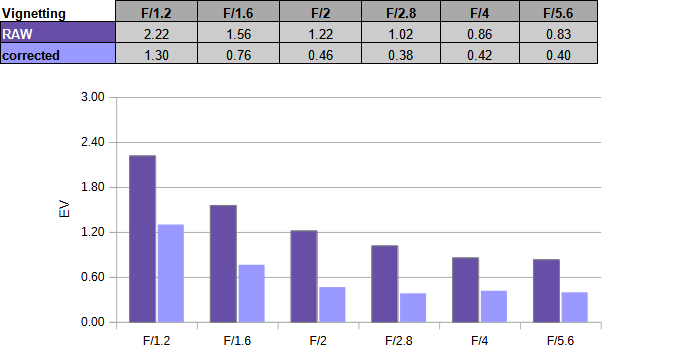
The raw vignetting is normal for an ultra-fast lens. At f/1.2, the light falloff exceeds 2.2 EV (f-stops). Stopping down to f/2 cuts this down by about 1 stop. And it’s acceptable from f/4.
Regardless, auto-correction is recommended here. Activated, it reduces the vignetting quite substantially at f/1.2, although it is still visible. The issue is mostly gone from about f/2 in this case.
Note: The JPEG tone curve is different on Nikon compared to Sony, so the results differ here.
MTF (resolution) at 45 megapixels
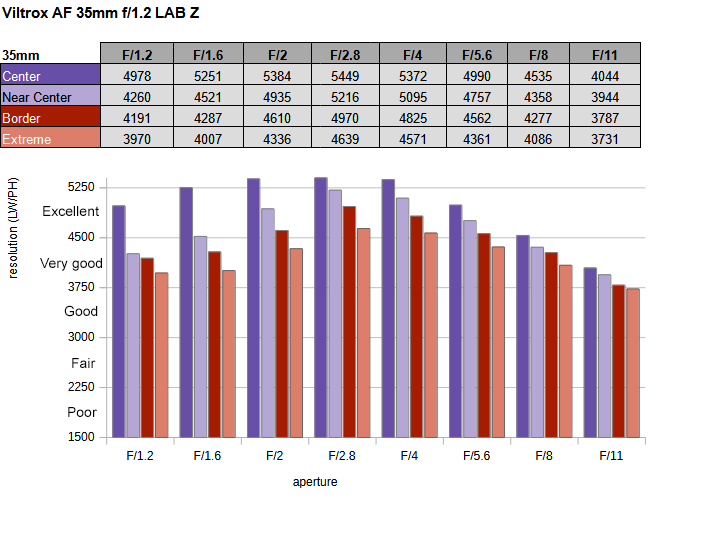
The Z-mount version of the Viltrox AF 35mm f/1.2 LAB Z maintains the general characteristics of what we have seen in E-mount. However, the tested sample is a bit better at large aperture settings. Some variations with lenses this fast are to be expected. Tiny imperfections are more pronounced the larger the aperture. In this case, this is good news with this sample because it already reaches an excellent center quality at f/1.2. The near center and outer image field are also impressively sharp here already. Stopping down increases the quality slightly, and gradually reaching an outstanding peak results between f/2.8 and f/4. Beyond, diffraction is a limiting factor, although it’s not really an issue until beyond f/11 (on high-megapixel cameras).
The centering quality of the tested sample was very good. The field curvature is flat.
Please note that the MTF results are not directly comparable across the different systems!
Below is a simplified summary of the formal findings. The chart shows line widths per picture height (LW/PH) which can be taken as a measure of sharpness. If you want to know more about the MTF50 figures, you may check out the corresponding Imatest Explanations.
Chromatic Aberrations (CAs)
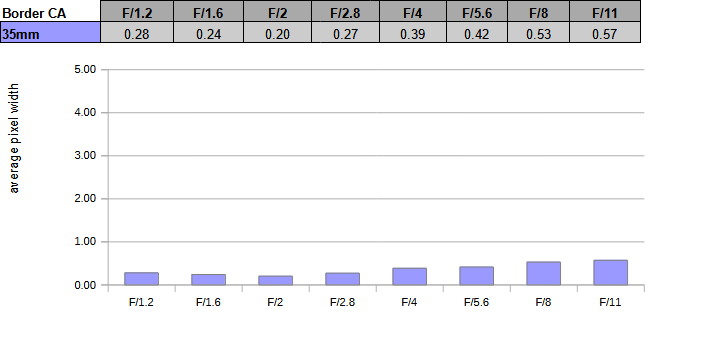
Lateral CAs are extremely low at large aperture settings and increase only slightly from f/2.8 onward. Even at their peak, they don’t reach disturbing levels.
Bokeh
Such a fast lens isn’t just about sharpness but also about the out-of-focus rendering, aka the bokeh.
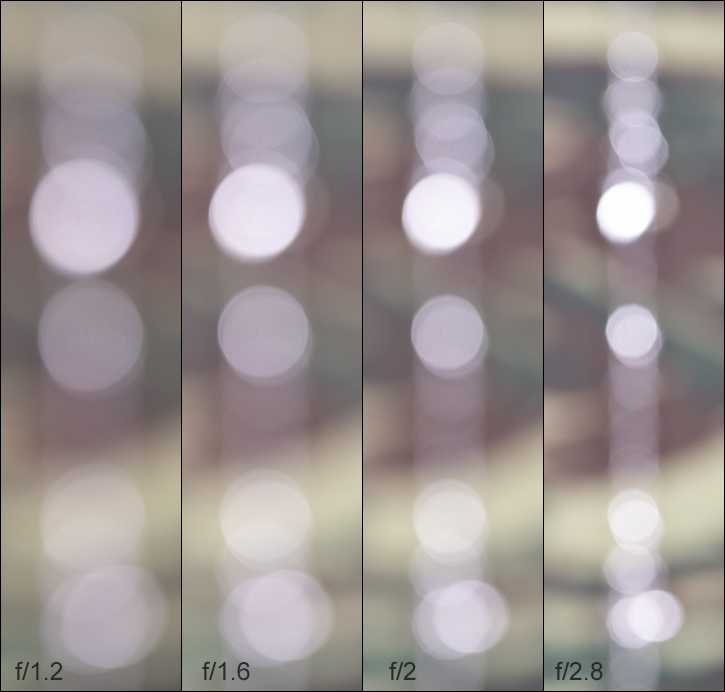
Out-of-focus highlights are very nicely rendered near the image center. The inner zone of the discs is very smooth despite two aspherical elements in the design. There is virtually no outlining, and the circular shape remains intact even at f/2.8 thanks to no less than 11 aperture blades.
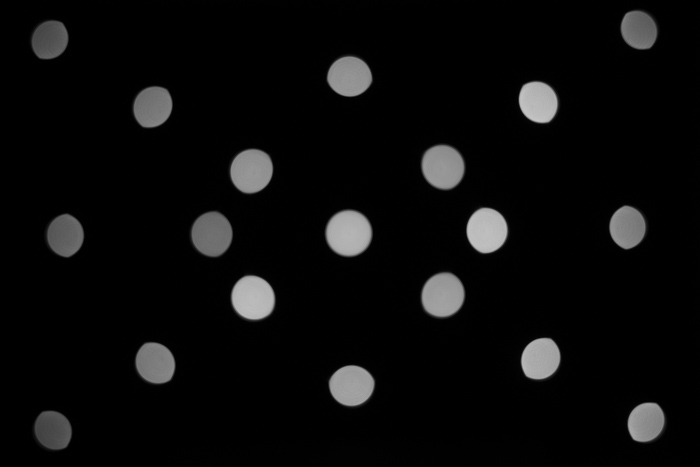
When looking at the highlight rendering across the image field, we can see a slight shape deterioration from the midfield onward at f/1.2. However, even the corner highlights aren’t harshly cut but maintain an almost ellipsoid shape. As usual, stopping down increases the “perfect” zone, although the corner shapes aren’t fully restored until f/2.8.




The blur in the focus transition zone is very decent. The more critical background blur (shown to the left below) is very smooth. The less critical foreground bokeh isn’t as perfect but still pretty good.
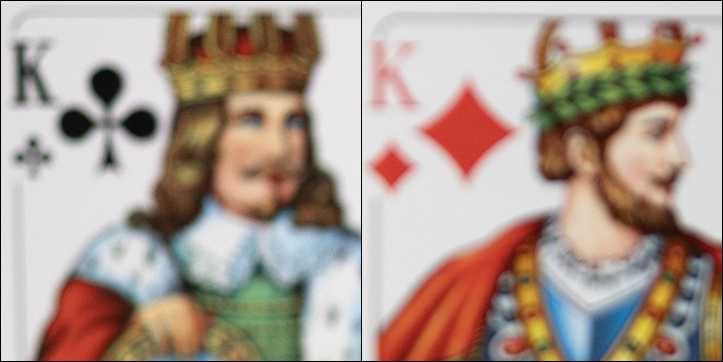
Bokeh Fringing / LoCA
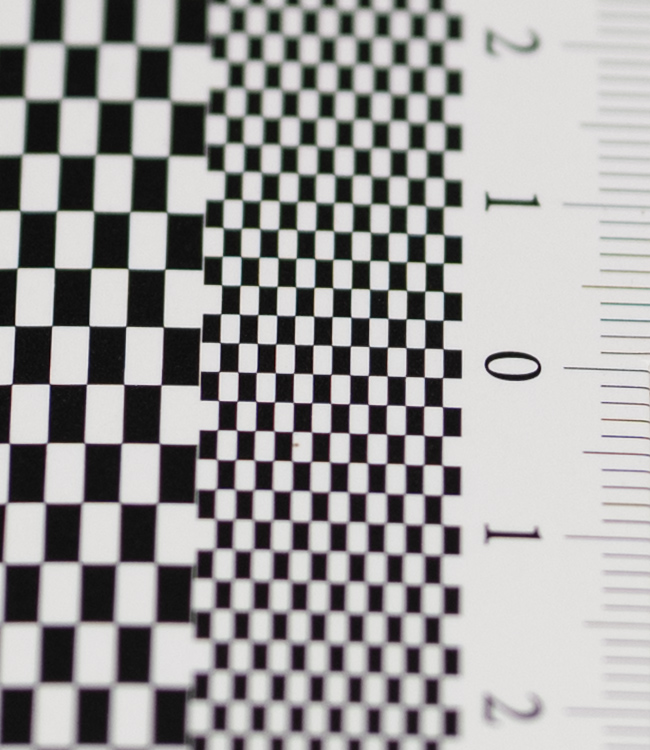
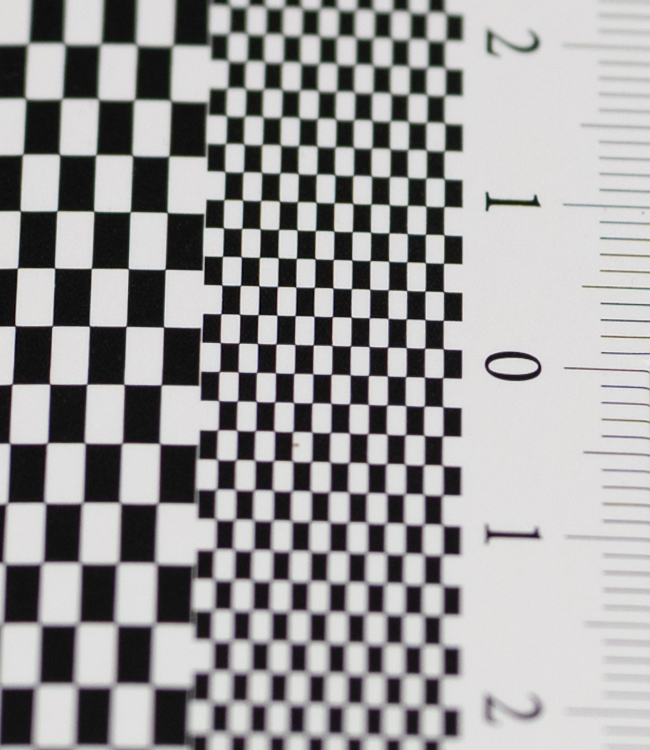
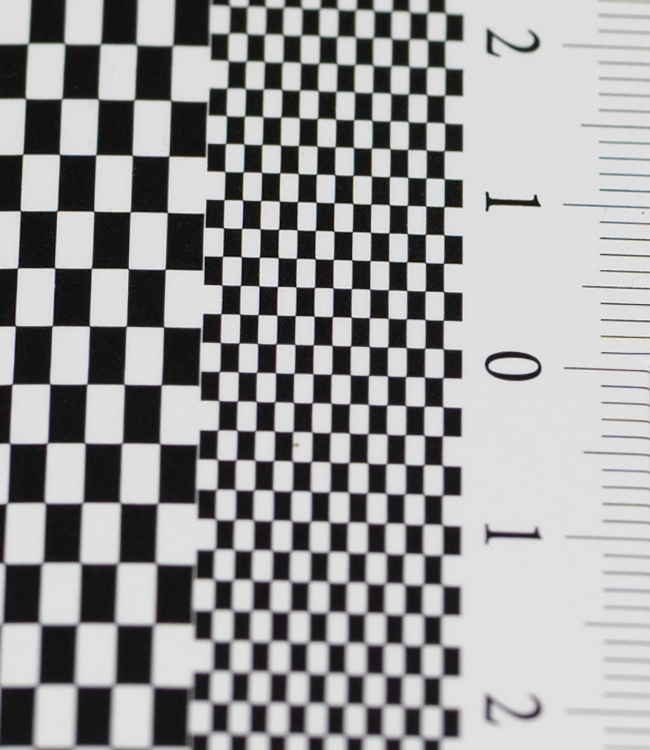
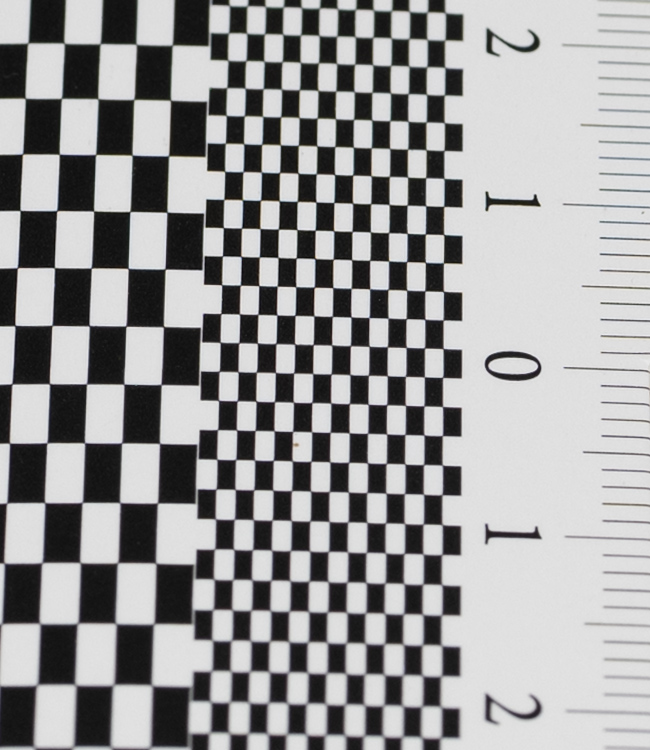
LoCAs, or bokeh fringing, is a color fringing effect on the Z-axis. It shows up with a purplish tint in front of the focus point and a greenish tint behind – and it’s nearly impossible to fully correct in post.
As you can see below, the Viltrox lens shows some color fringing at f/1.2 without being extreme. Stopping down to f/2 reduces it substantially, and the issue is basically gone from f/2.8.
There’s only a very marginal focus shift towards the rear here. This amount isn’t relevant in real-life scenes.

Sun Stars
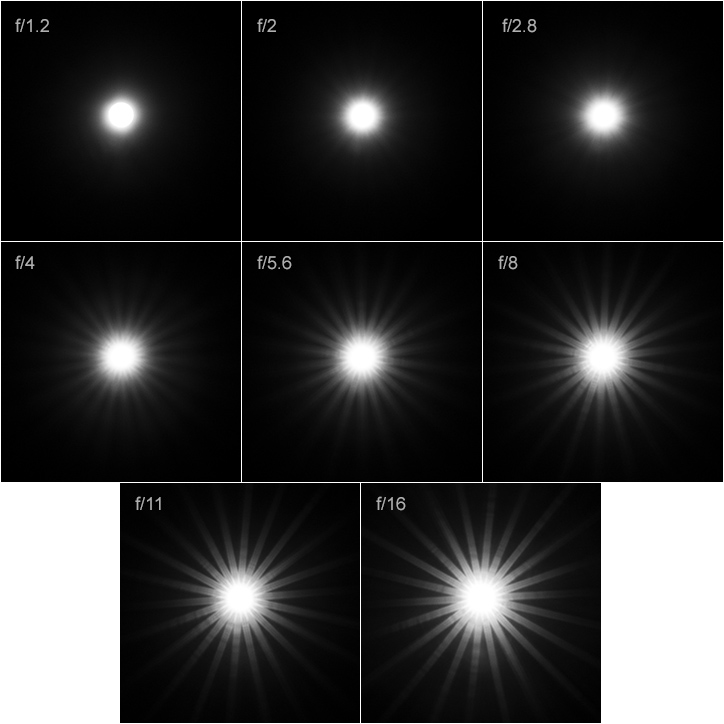
Sun stars/rays are an aperture effect when stopping down – introduced by an increasingly edgy aperture shape. They occur when shooting images with very bright light sources such as the sun or streetlights at night.
Below is a sequence of the sun star rendering at different f-stops (taken with the E-mount version). Due to 11 aperture blades, the Viltrox lens is optimized for bokeh quality, not sun stars. However, it is possible to produce some fairly decent rays at f/11 and f/16. At large aperture settings, bright spotlights are only rendered as a “blob” due to the near-circular aperture shape.
Competition
The Viltrox AF 35mm f/1.2 LAB Z has 2 competitors in Z-mount at the time of this review. There’s the Nikkor Z 35mm f/1.2 S and the Sirui Aurora 35mm f/1.4. Regardless of whether the Nikkor is any better, the price alone makes it reside in a different sphere. At 3x the price, it is difficult to imagine a corresponding gain in performance, though. A more interesting competitor is the Sirui. Yes, it is a half stop slower, but it also comes at half the cost. We haven’t tried both the Nikkor and Sirui yet. There’s also a Nikkor Z 35mm f/1.4, but it’s not targeting the high-end market.
Sample Images


The Viltrox AF 35mm f/1.2 LAB Z did, once again, deliver a highly impressive performance - this time in Nikon Z mount. It's very sharp even at f/1.2, which is quite an achievement in this lens class, especially for a newcomer brand. Stopping down, results are nothing short of great. Low CAs also contribute to the sharpness perception. On top of this, the quality of the bokeh is very smooth. On the downside, axial CAs are still visible at f/1.2, although they are still comparatively mild. The image distortion is low and usually not disturbing. However, a distortion auto-correction profile is not included (eventually available to Photoshop users). A correction profile is implemented for vignetting. This is also needed because the RAW vignetting is quite obvious at large aperture settings.
Viltrox didn't compromise on build quality either. While the Viltrox AF 35mm f/1.2 LAB Z is big and heavy, the weight does translate into quality materials. The lens feels sturdy, and the weather sealing will provide some protection against the elements. The unmarked, unlimited aperture control is more aligned to video use, but it does the job for photographic purposes as well. The AF is pretty quick and precise.
Some may still find it difficult to believe, but Viltrox is a serious threat to the establishment - also and especially with the Viltrox AF 35mm f/1.2 LAB Z. Highly recommended!
Viltrox lenses can be purchased via the Viltrox online store or the usual suspects such as Amazon or B&H.
The Good
- Impressively sharp
- Nice background bokeh
- Very affordable compared to the Nikkor Z 35mm f/1.2 S
The Bad
- It's heavy
- LoCAs at f/1.2
- No distortion correction profile
-
Optical Quality
-
Build Quality
-
Price / Performance