


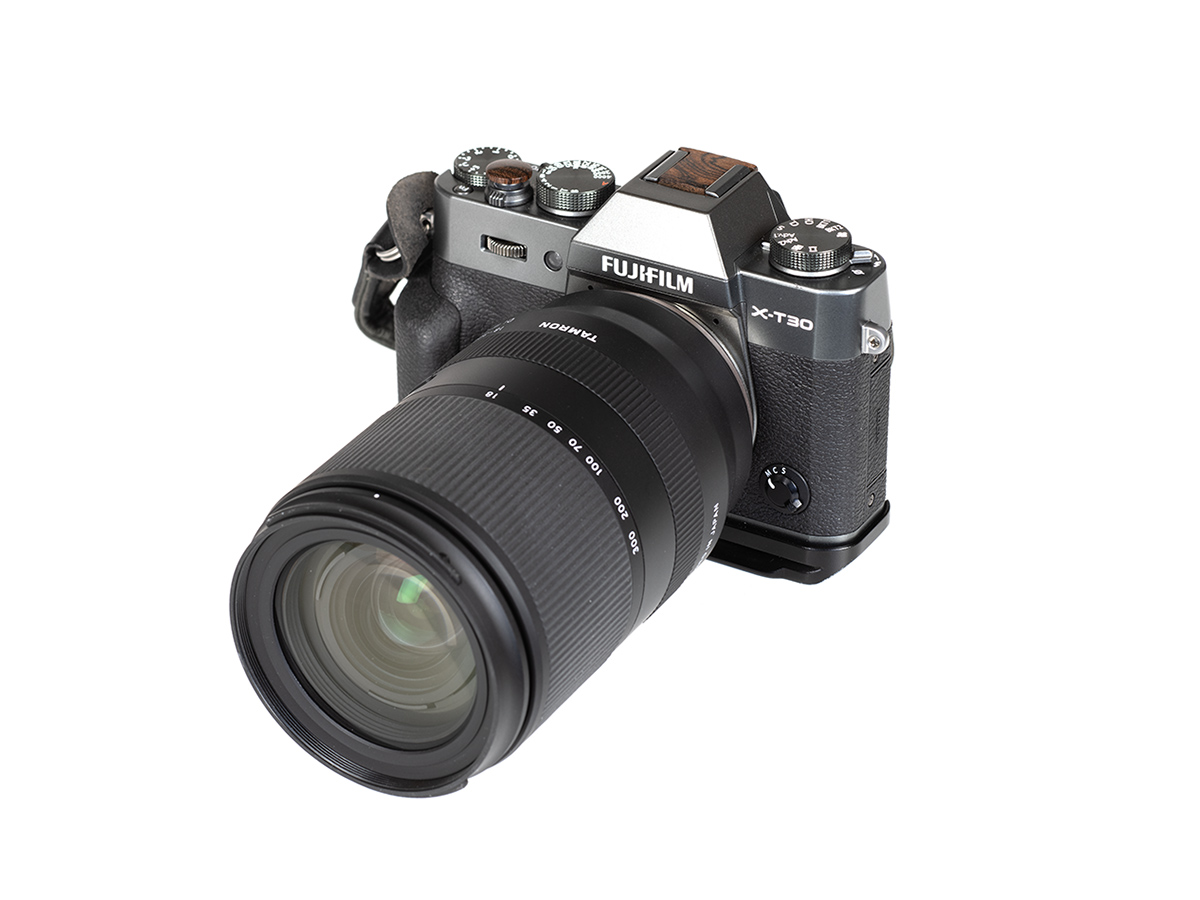
As mentioned in a previous Tamron review, they have a long tradition of developing “super-zoom” lenses, basically pioneering the category back in the day. And this time, we are discussing the Tamron 18-300mm f/3.5-6.3 Di III-A VC VXD in Fujifilm X-mount. Its rather extreme 16.6x zoom ratio translates to a full-frame equivalent focal range of a whopping “27-450mm” covering everything from wide-angle to almost super-tele ranges. While this may sound a little bonkers already, it’s not even Tamron’s most extreme design – this honor goes to the 18-400mm f/3.5-6.3 Di II VC HLD, but this one is/was reserved for DSLRs if you still remember them. The 18-300mm f/3.5-6.3 costs around $700 and is now available for all APS-C format systems.
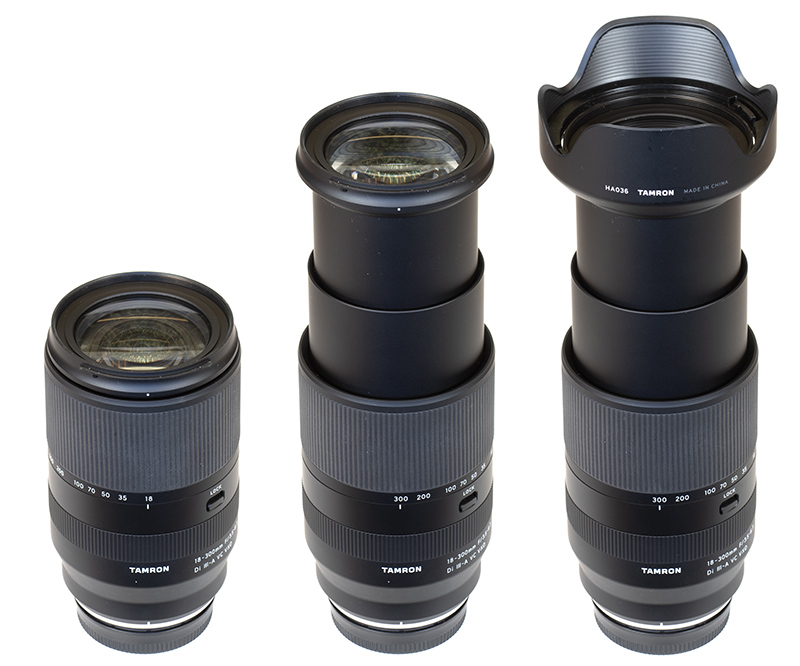
The build quality of the Tamron lens is good, although it feels a little plasticy. As you can see below, it extends quite a bit via a duo-cam mechanism. The zoom extension is fairly smooth until the middle range from which you can feel a bit more resistance. Other than the zoom and focus rings, there aren’t many things going on in terms of controls. A zoom lock is available to prevent zoom creeping. The AF/MF and image stabilizer switches have to be set in-camera (except in Canon RF mount). Tamron incorporated some sealing against moisture, but there’s no statement regarding dust resistance. A petal-shaped lens hood is included.
The 18-300mm f/3.5-6.3 uses Tamron’s VXD for autofocusing. This voice-coil motor is extremely fast in the lower zoom range although it does get a little slower at longer focal lengths. Tamron doesn’t provide any guidance regarding the efficiency of the image stabilizer (VC = Vibration Control). A potential gain between 3 and 4 f-stops is probably a realistic expectation in real life.
| Specifications | |
|---|---|
| Optical construction | 19 elements in 15 groups (4x LD, 3x hybrid) BBAR G2 (Broad-Band Anti-Reflection Generation 2) Coating Fluorine Coating |
| Number of aperture blades | 7 (rounded) |
| min. focus distance | 0.15m (W) – 0.99 (T) (max magnification: 1:2 (W) – 1:4 (T)) |
| Dimensions | Ø 75.5 x 125.8mm |
| Weight | 620g |
| Filter size | Ø 67mm |
| Hood | petal-shaped (bayonet mount, supplied) |
| Other features | Moisture-Resistant Image stabilizer (VC = Vibration Control) Zoom Lock switch USB-C port for firmware updates Compatible with TAMRON Lens Utility Software (Nikon Z and Canon RF) |
Distortions
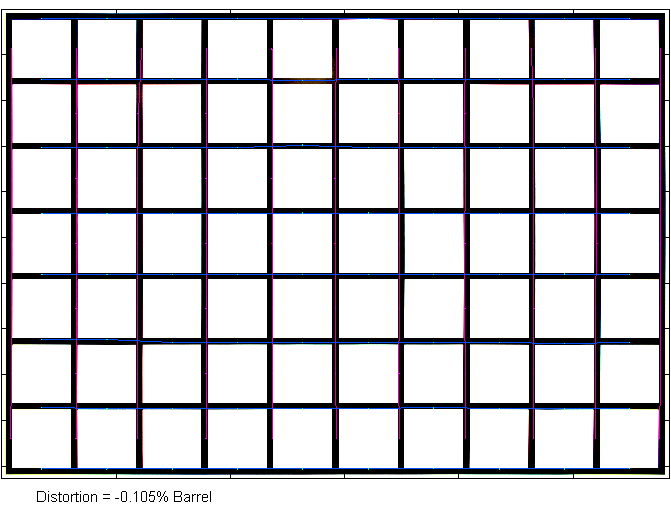
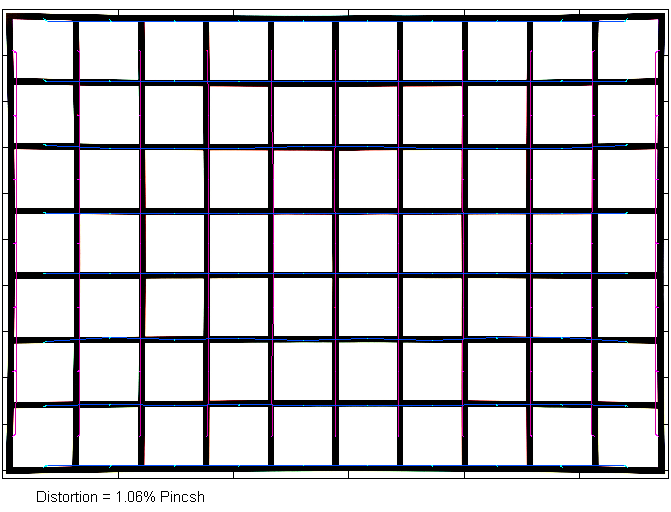
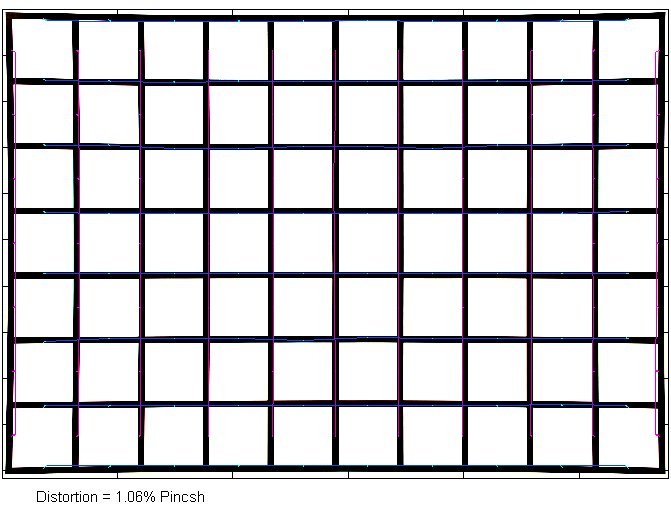
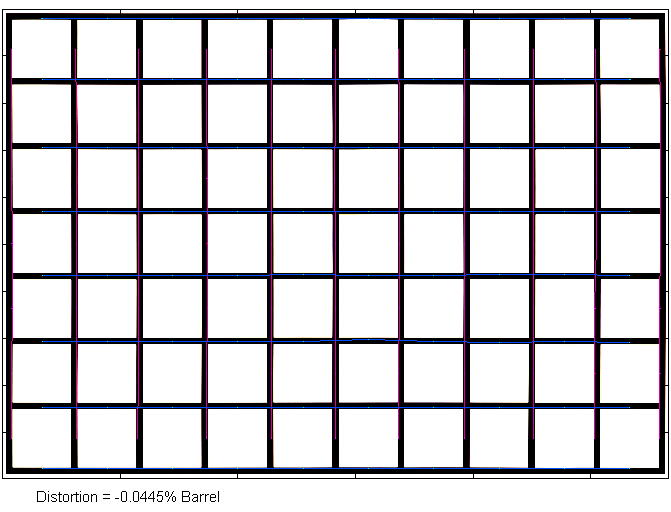
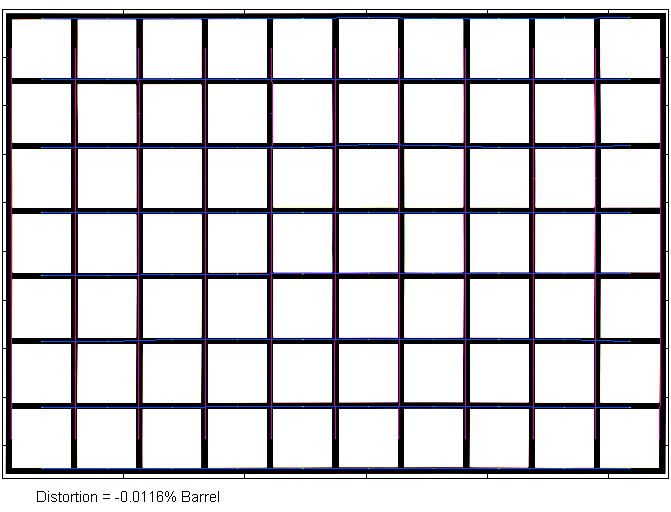
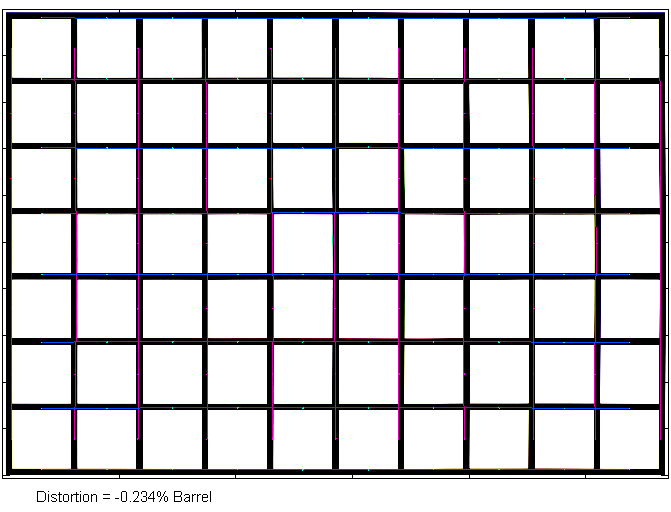
The Tamron 18-300mm f/3.5-6.3 Di III-A VC VXD may be an extreme design. However, Tamron still managed to tame the image distortions in RAW files to a reasonable degree. They are most elevated at the 18mm setting with a clearly visible barrel distortion of 4.5%. This eases soon thereafter and switches to pincushion type from about 28mm. The pincushion distortion reaches its maximum at 50mm, but they remain moderate at just ~1.5%. Another surprise is that they actually reduce from here again, and the images are almost free of distortions at 300mm.
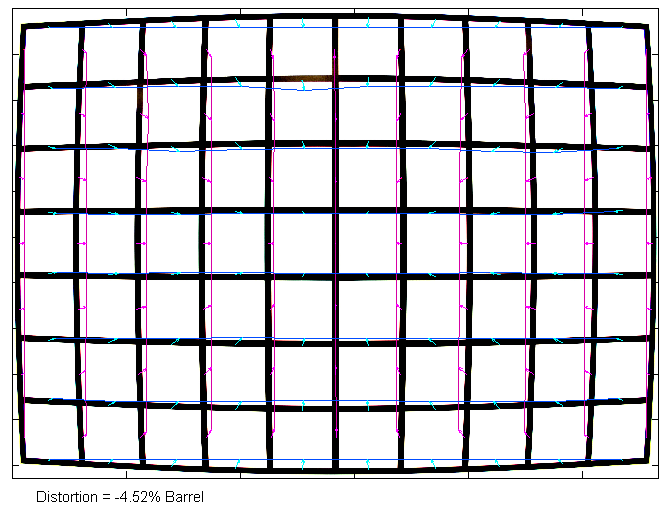
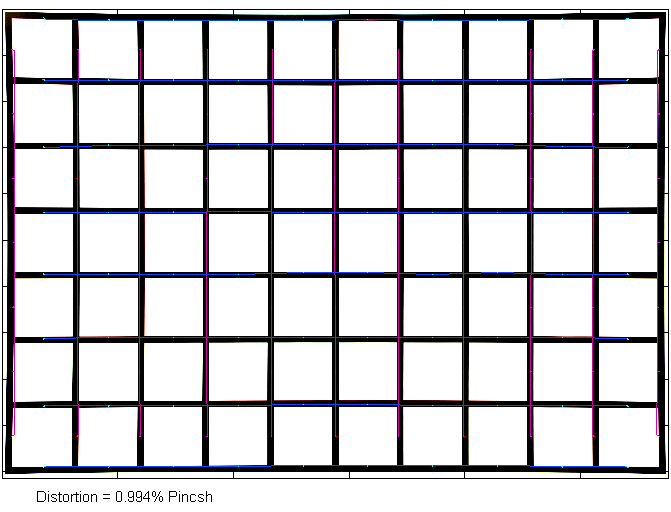
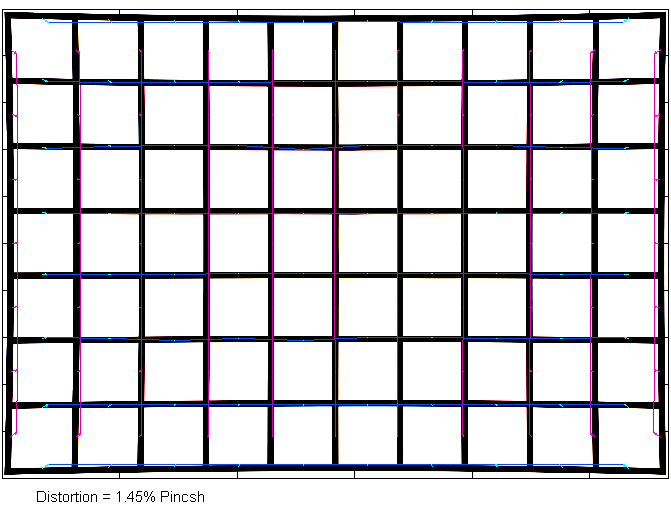
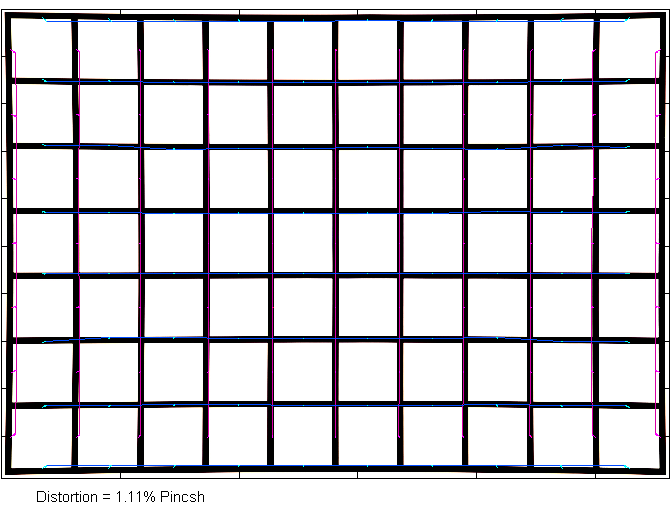
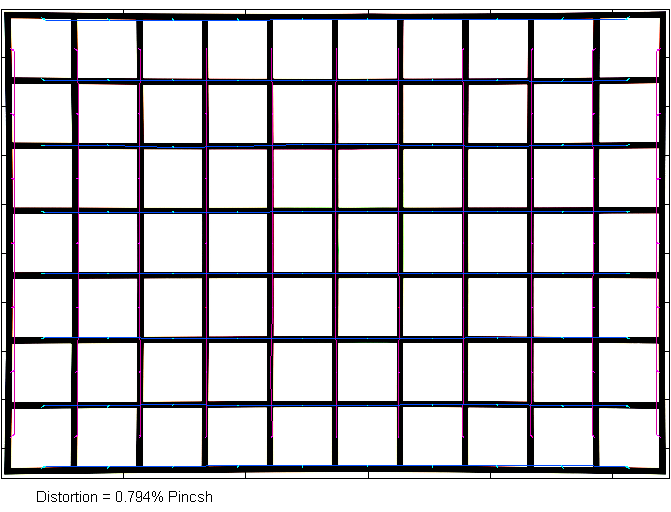
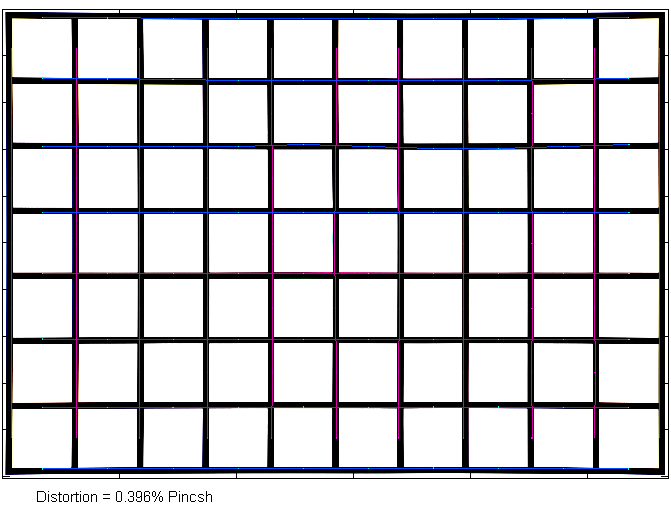
Auto-correction works perfectly fine at 18mm and from 100mm. Strangely, we couldn’t detect any real effect at 35mm and 50mm. This is possibly related to the focus distance. Still, it’s the first time we’ve seen this behavior. It’s not a major issue due to the rather moderate level of distortion here, though.
Vignetting
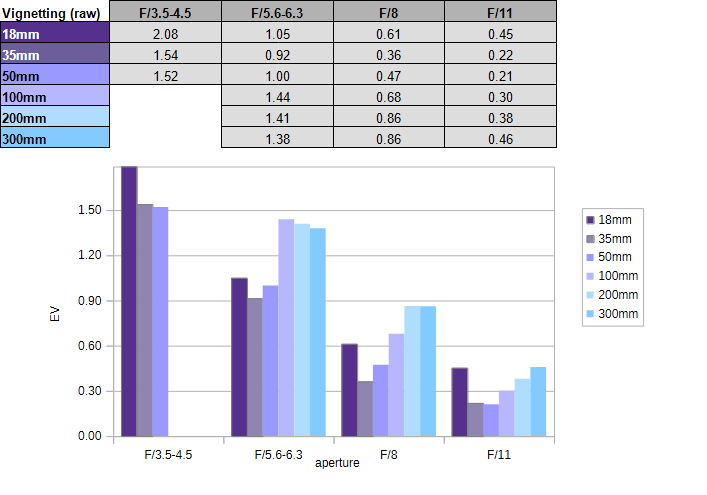
The RAW vignetting is high at maximum aperture regardless of the zoom setting. It exceeds 2 EV at 18mm f/3.5 and it’s at the upper end of our vignetting chart at other settings. Stopping down by one f-stop resolves most of the issue, though.
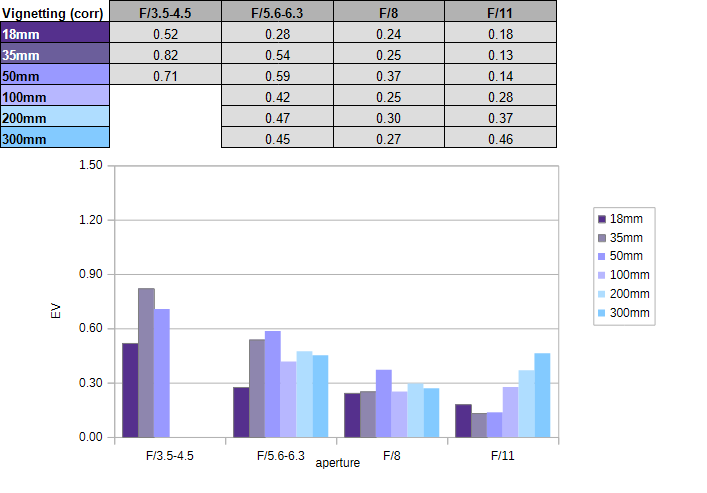
Auto-correction handles most of this. You may spot traces of vignetting at maximum aperture in the lower zoom range, but it’s usually not disturbing.
MTF (resolution) at 26 megapixels
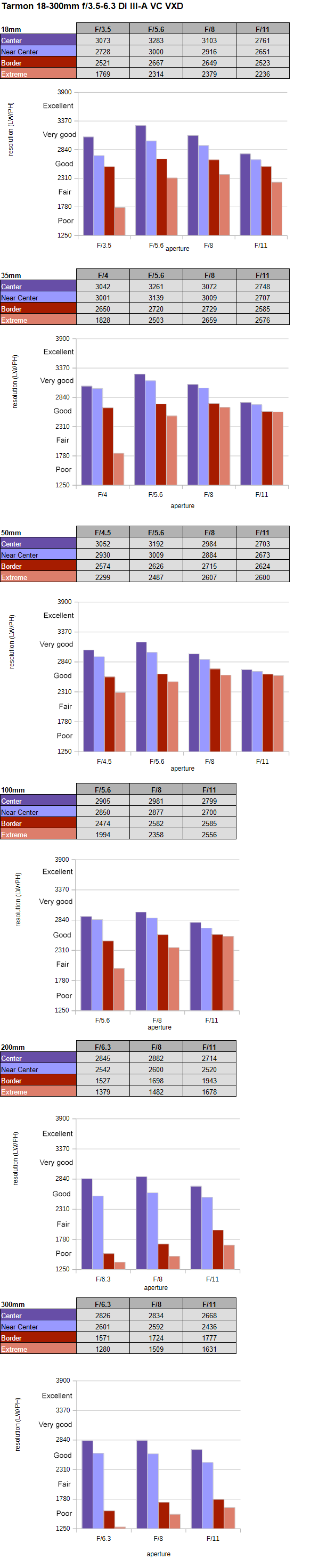
As you might expect, the Tamron lens is a rather wild thing regarding its resolution characteristic. On the positive side, the broader center quality is fairly sharp across the zoom range until diffraction hits at f/11. At 18mm, the borders are fine, whereas the corners are soft at f/3.5. They are much improved from f/5.6, though. The overall quality is a bit better at 35mm and reaches its peak at 50mm. At 100mm, the corners get softer again at f/5.6. The outer image field is very soft at 200mm and 300mm, and they don’t recover when stopping down.
Field curvature is an issue at 18mm – see the next chapter. The centering quality … varies. You have to keep in mind that slight centering defects at 18mm are magnified by a factor of 16.6x at 300mm – worsened by the image stabilizer and variations in the focus group. There is no such thing as a perfectly centered super zoom lens, really.
Please note that the MTF results are not directly comparable across the different systems!
Below is a simplified summary of the formal findings. The chart shows line widths per picture height (LW/PH) which can be taken as a measure of sharpness. If you would like to know more about the MTF50 figures, you may check out the corresponding Imatest Explanations.
MTFs at 18mm (flat field)
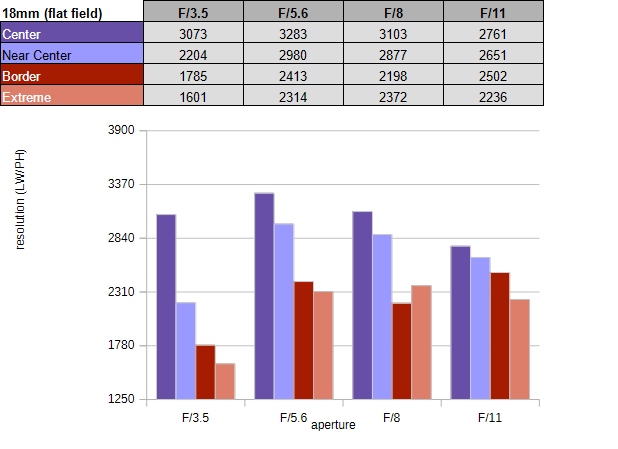
As mentioned above, there’s noticeable field curvature at 18mm. Below is an attempt to put this into a chart based on near-flat field readings. The field curvature hits hard at f/3.5, of course – that’s where you’ve got the least depth-of-field. The DoF catches up at f/5.6 but the border/corner sharpness on the flat plane is rather mediocre, and it doesn’t improve at f/8. f/11 is a bit better, but the overall image quality is softer due to diffraction.
Chromatic Aberrations (CAs)
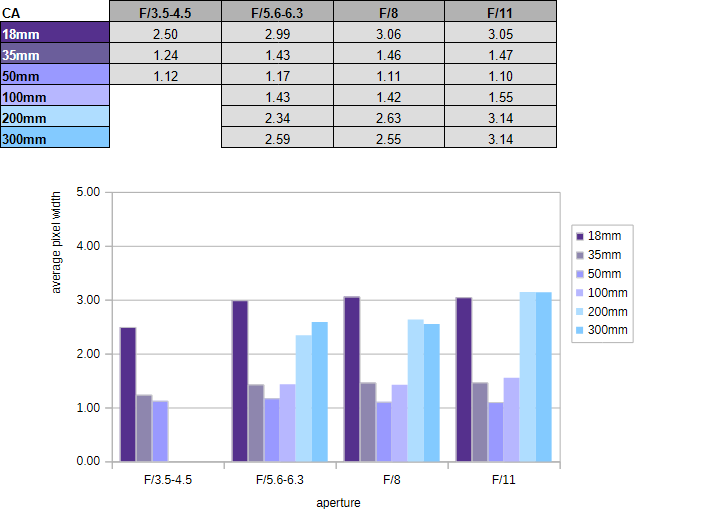
Lateral CAs are very high at the ends of the zoom range. An average CA width of 3px at 18mm is rather extreme and 2.5px at the long end is nothing to be proud of either. The CAs are fairly low in the middle part of the zoom range. Thus, auto-correction is a must to compensate for these CAs.
Bokeh
The Tamron 18-300mm f/3.5-6.3 Di III-A VC VXD isn’t exactly a fast lens. However, you can still produce a fairly shallow depth-of-field at long focal lengths or short focus distances. So let’s check the bokeh now.
Out-of-focus highlights have a very grainy inner structure, and the discs show a distinctive outlining. The center discs are perfectly circular at maximum aperture and when stopped down a bit (here at 100mm). The edgy aperture shape shows up at f/8.
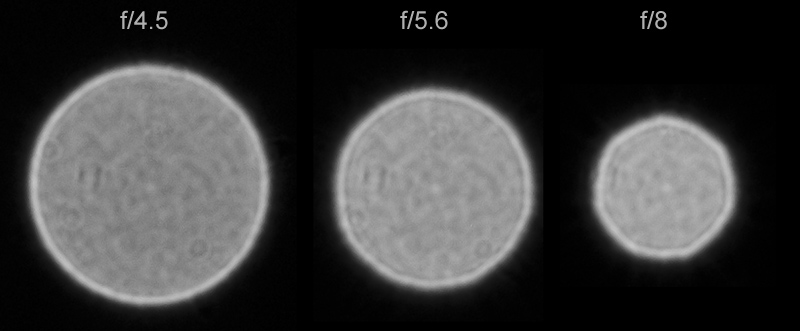
The disc shape remains circular across most of the image field at 100mm f/4.5. The border/corner discs are a bit ellipsoid, but this isn’t really disturbing. Stopped down to f/5.6, the corner discs look a bit worse, actually. They are fully restored at f/8, although at the price of being edgy by then.
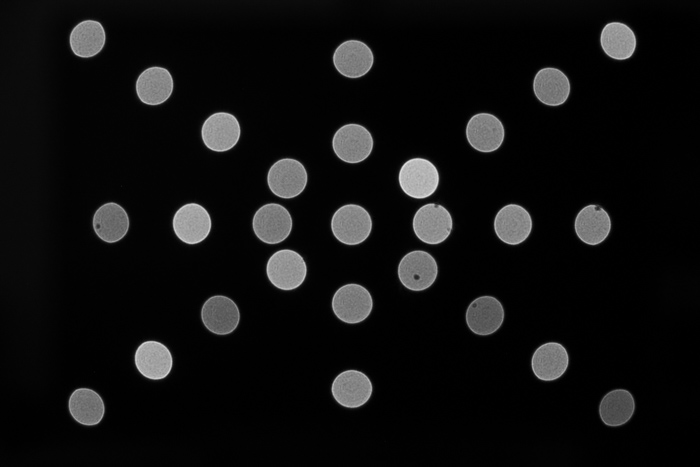
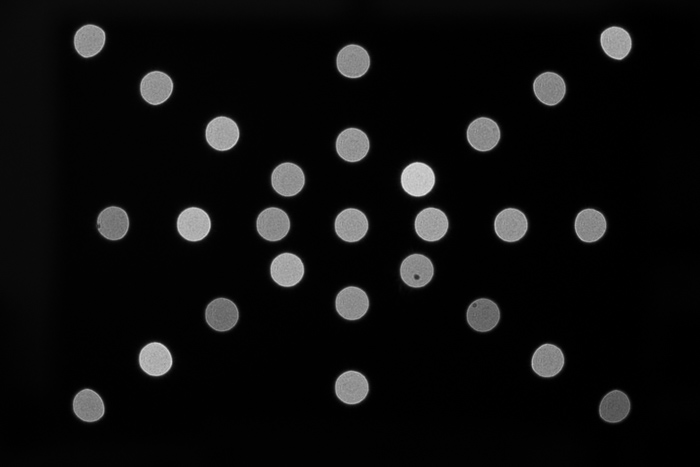
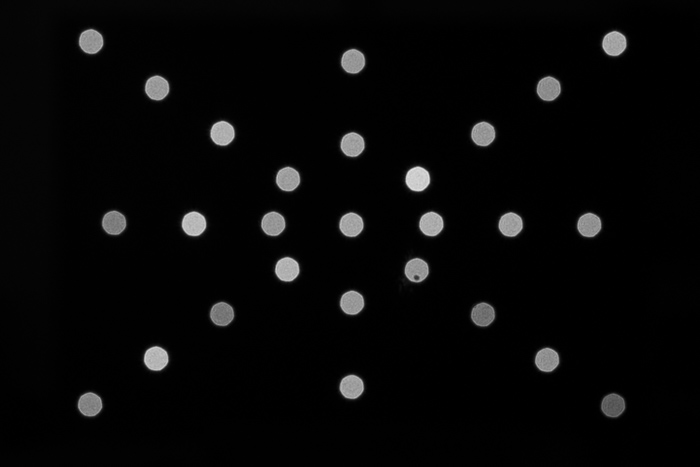
The rendering quality in the focus transition zone is mixed. The foreground blur, shown to the right below, is smooth, but a little hazy. The background blur (to the left below) is more nervous.

Competition
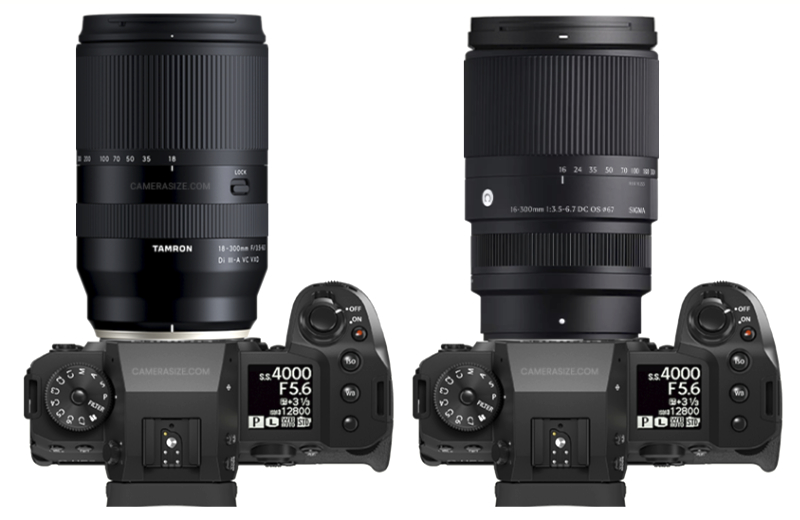
The Tamron 18-300mm f/3.5-6.3 Di III VC VXD may be exotic already, but the Sigma 16-300mm f/3.5-6.7 DC OS Contemporary (to the left below) pushes the focal length range a little further. However, we haven’t tested the Sigma, so we can’t provide guidance on whether it’s better or worse – but don’t expect wonders …
Sample Images
Countryside Germany here from several years ago.


To cite a reader - the Tamron 18-300mm f/3.5-6.3 Di III-A VC VXD is all about being able to take "the shot" at any time. However, in terms of optical quality, it is certainly not a good lens. If you are a fan of microcontrast, you won't find it here. Having said this, the image quality is actually decent in the broader center. The border/corner quality is good in the middle zoom range if you stop down a bit, less so towards the long end, though. And better stop down quite a bit at 18mm to avoid field curvature effects. Auto-correction has to work hard fixing lateral CAs, vignetting, and distortions. The lens is targeting the consumer segment. Within this scope, the build quality is fine. Yes, Tamron used lots of engineering plastics, but there's no wobbling and even basic weather sealing. The AF is pretty good across most of the range, with only a deterioration at the long end, which is probably more related to the camera than the lens. Tamron's image stabilizer is certainly a very welcome feature given the long reach and the rather slow speed. Overall, you have to manage your expectations here. There is no such thing as a free lunch. The Tamron 18-300mm f/3.5-6.3 Di III-A VC VXD is an affordable lens that tries to provide it all but this comes with compromises. However, if your primary intention is sharing images on social networks and/or traveling lightweight, it's still worth considering. If you'd like to support our work, please consider shopping for this or other lenses via one of the following partners: * Amazon (Europe) * B&H (US) * Adorama (US) * KEH (US, used gear)
The Good
- The zoom range ... of course
- Compact and lightweight for what it is
- Fast AF
The Bad
- Optically a bit ... meh
-
Optical Quality4
-
Build Quality6
-
Price Performance6