


Introduction
A short while ago we reviewed the Nikkor Z 70-200mm f/2.8 VR S and we were pretty impressed by the quality that the lens delivered. However, compared to the competition, it had notable shortcomings – namely, it’s bigger and especially much heavier than the Sony FE 70-200mm f/2.8 OSS GM II or the Canon RF 70-200mm f/2.8 L IS USM. In a key segment that’s important and, obviously, Nikon also noticed the difference. And they mostly fixed this in the Nikkor Z 70-200mm f/2.8 VR S II. The lens is shorter at 208mm (vs 220mm in the mk I) and more lightweight at 1180g (vs 1440g). Unfortunately, Nikon didn’t reduce the price tag so if you go for it, your bank account will suffer a $3000 USD blow.
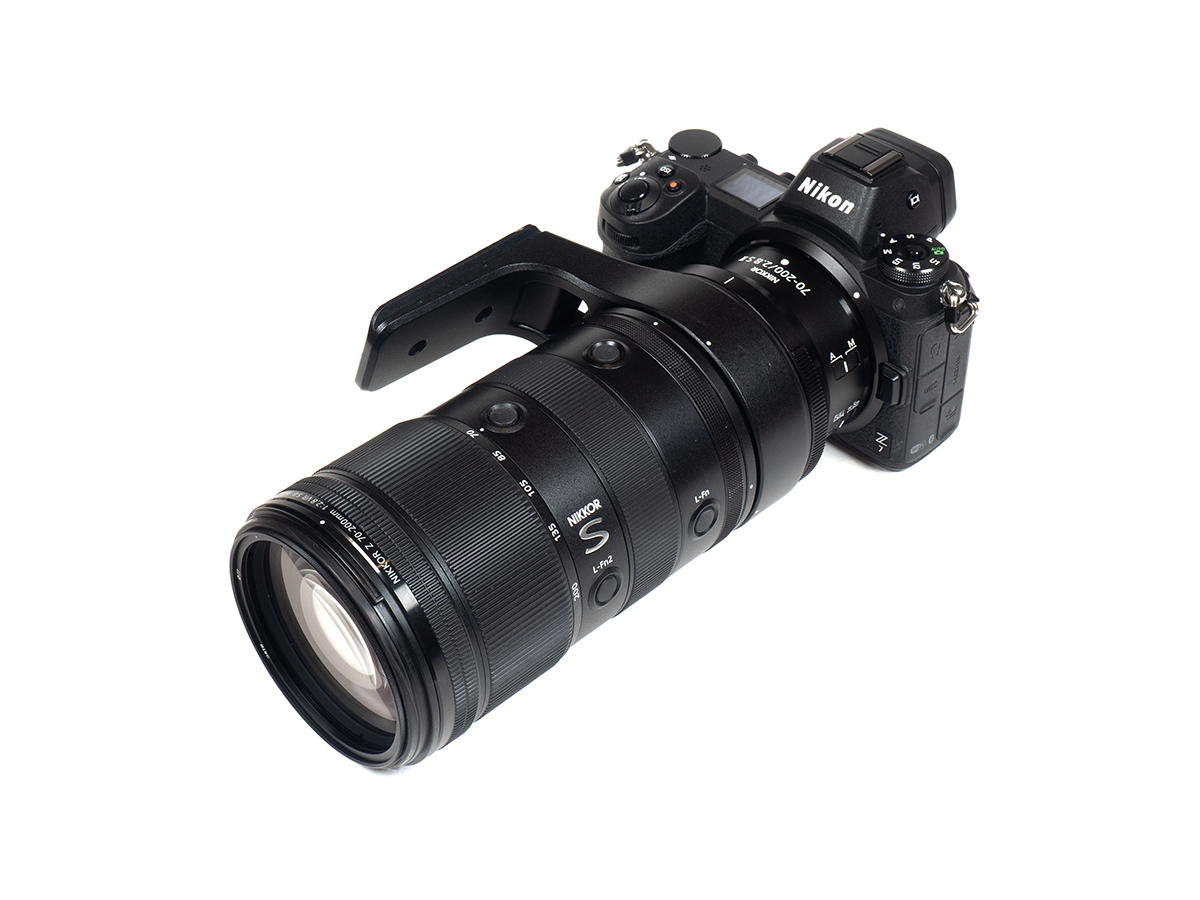
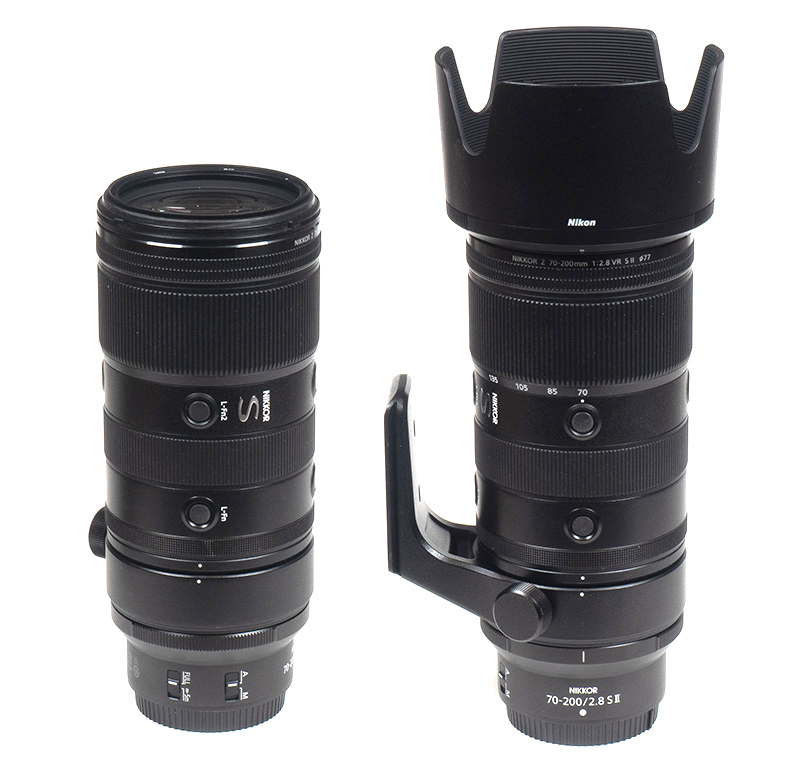
The Z 70-200mm f/2.8 VR S II may be more lightweight now but the build quality fulfills, of course, professional standards. The lens uses an internal magnesium alloy frame with external high-quality plastics and it is, of course, weather-sealed. The zoom mechanism is internal so the physical length remains the same at all settings. The zoom ring turns smoothly. Conversely, the focus ring felt more stiff – at least in our sample. There’s also the usual customizable control ring and 5 programmable function buttons. The Arca-Swiss compatible tripod collar is detachable and reduces the weight of the lens to an amazing 998g. A petal-shaped lens hood is part of the package.
The Nikkor uses “Silky Swift Voice Coil Motors” (SSVCM) for autofocusing. It’s blazingly fast and silent. Focus breathing is marginal which should make the video folks happy. The lens is not parfocal (most zoom lenses aren’t). The built-in image stabilizer (aka VR = Vibration Reduction) has a claimed efficiency of 5.5 f-stops or 6 f-stops in synchro-mode with the camera’s in-body stabilizer.
| Specifications | |
|---|---|
| Optical construction | 18 elements in 16 groups (1x ED, 1x Super ED, 1x aspherical ED,, 2x aspherical, 1x fluorite, 1x SR) Meso Amorphous Coat and ARNEO Coat Fluorine Coat (front element) |
| Number of aperture blades | 11 (rounded) |
| min. focus distance | 0.38 (W) to 0.8m (T) Max. magnification ratio 0.3x at 70mm |
| Dimensions | 90 × 208mm |
| Weight | 1180g (998g without tripod collar) |
| Filter size | 77mm |
| Hood | petal-shaped (bayonet mount, supplied, w/filter-access door) |
| Other features | Dust- & drip-resistant VR/Optical Image Stabilizer (5.5 f-stop efficiency) 5x Fn buttons Tripod-collar, detachable, Arca-Swiss compatible Focus range limiter compatible with teleconverters |
| Mounts | Nikon Z |
Distortion
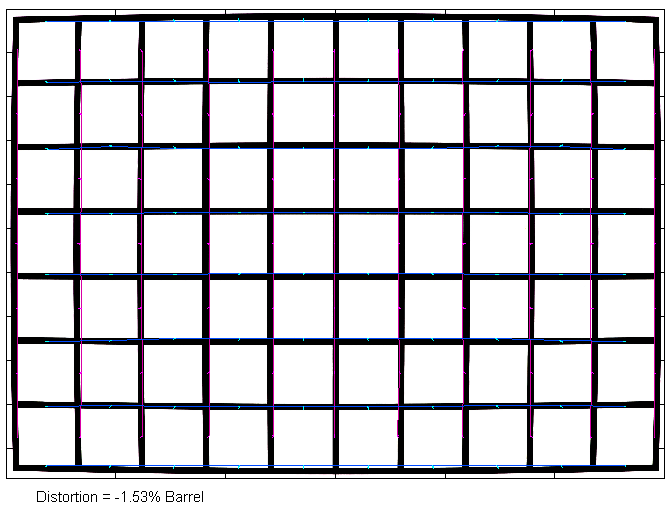
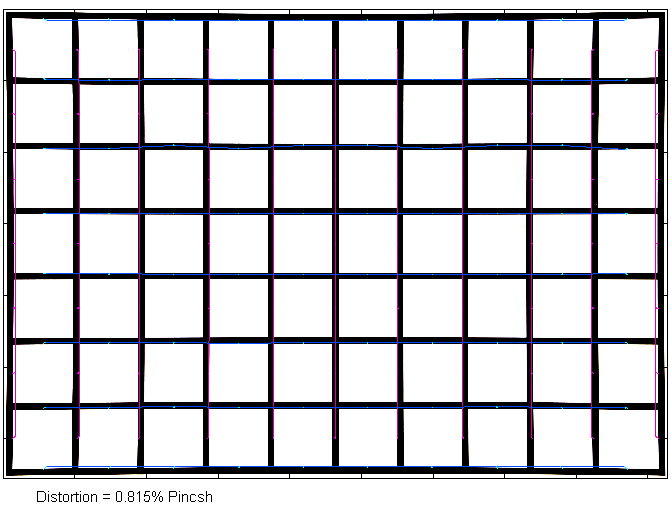
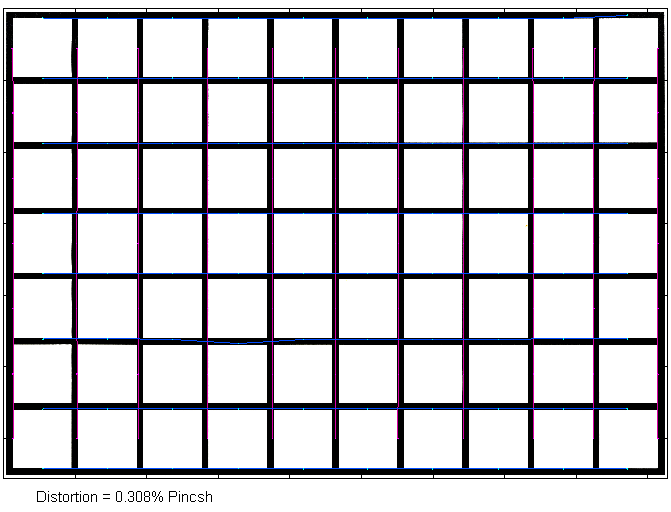
The Nikkor Z 70-200mm f/2.8 VR S II is quite well distortion-corrected for a mirrorless system lens. RAW images reveal a medium barrel distortion of 1.5% at 70mm. This switches to pincushion type in the middle part of the zoom range and reaches a fairly mild 0.8% pincushion distortion at 200mm.
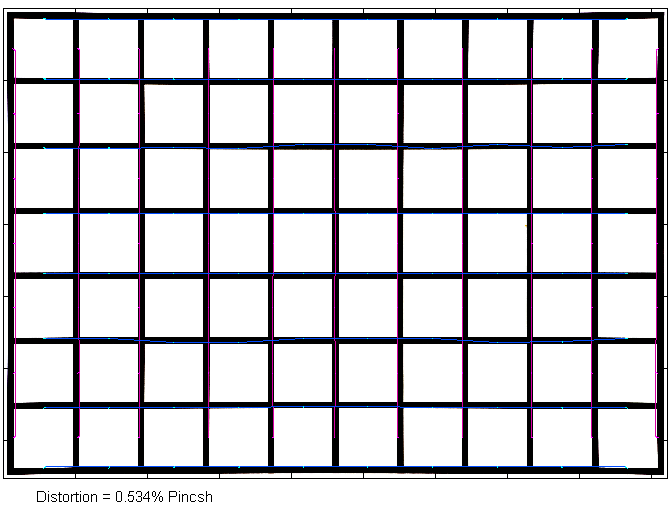
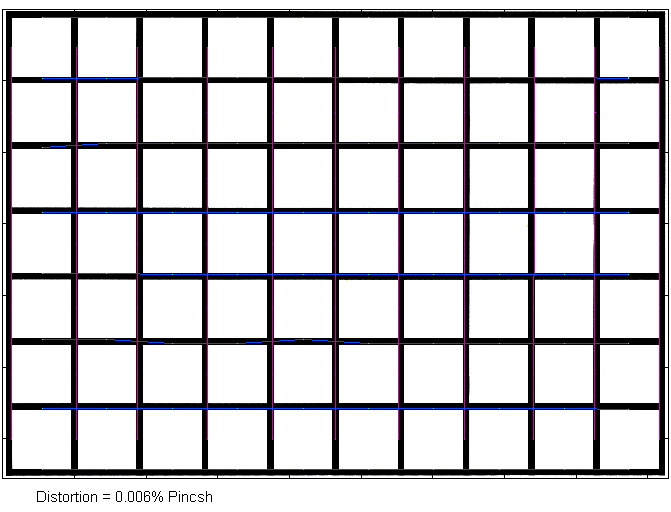
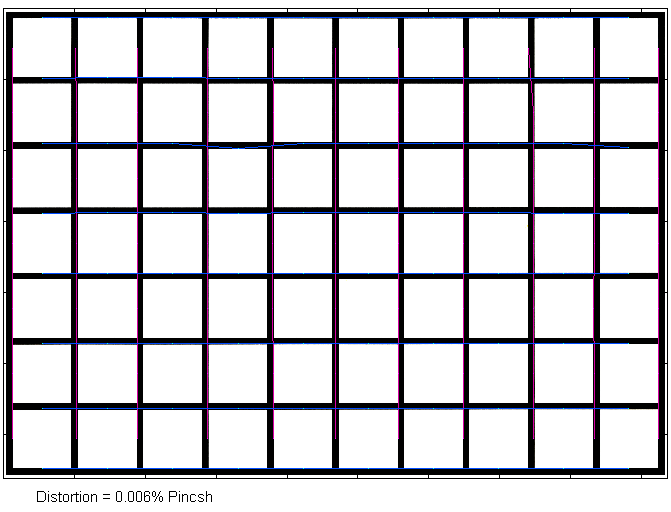
Autocorrection handles this nicely with only a trace of barrel distortion present at 70mm, and it’s distortion-free at longer focal lengths.
Vignetting
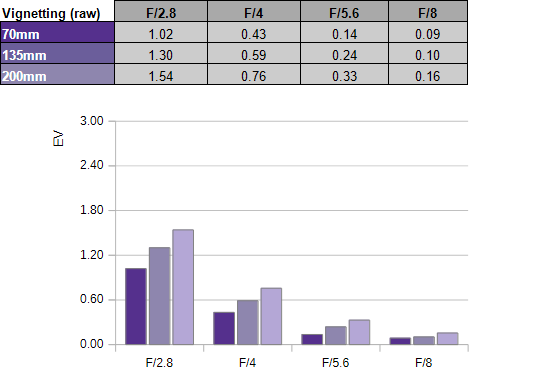
The lens produces only a comparatively moderate amount of vignetting in RAW images. It peaks at 1.5 EV (f-stops) at 200mm f/2.8. Stopped down to f/4, it’s usually not visible anymore in most scenes and the issue is gone from f/5.6.
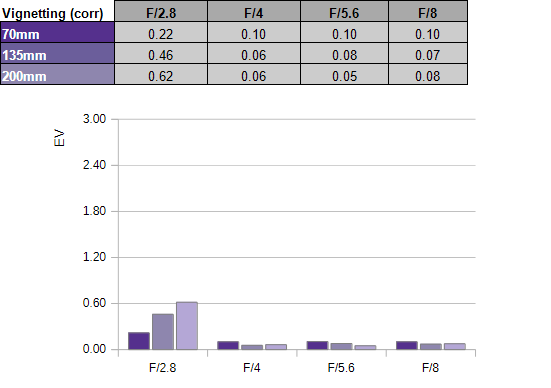
With autocorrection activated (in “H” mode) you can happily shoot at maximum aperture.
MTF (resolution)
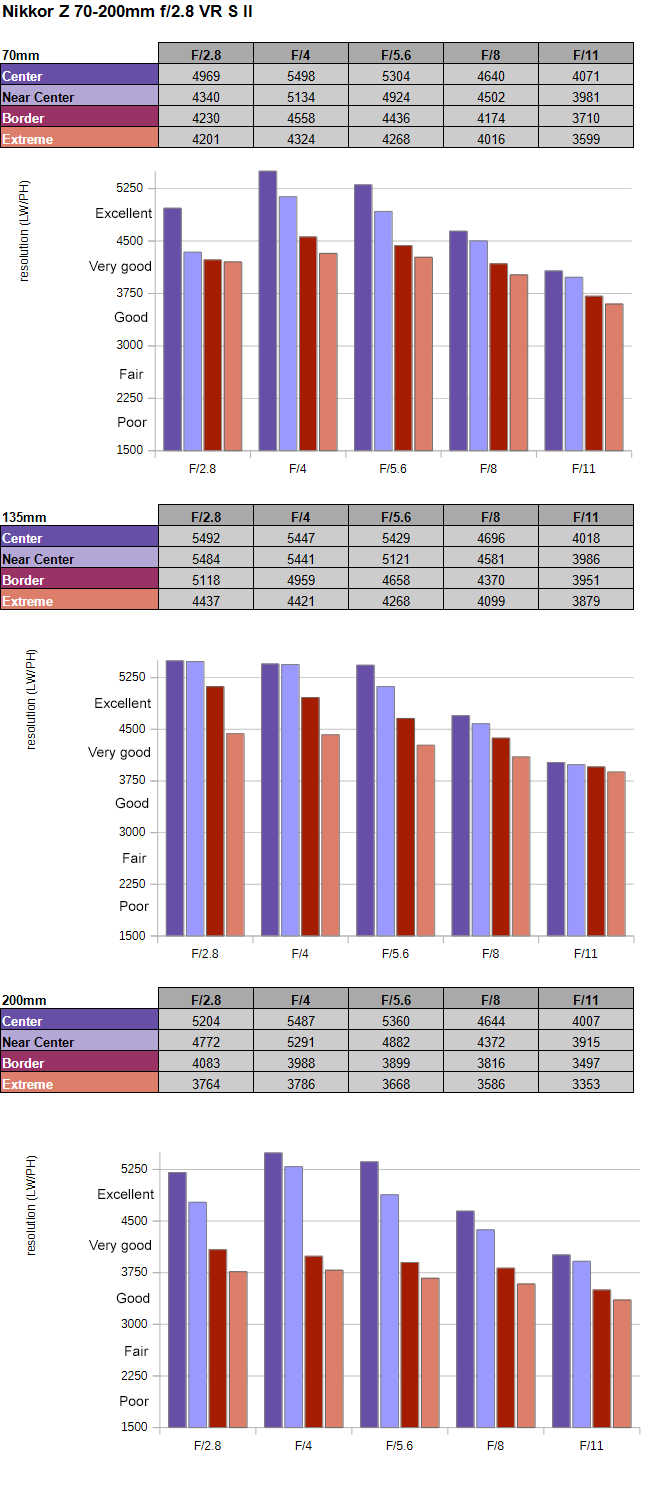
The mk I has set a very high benchmark for image sharpness. The mk II isn’t really better in this respect although it does offer a bit more kick in the image center. At 70mm, the center quality is excellent at f/2.8 followed by a very good near-center and border/corner performance. At f/4, the broader center is outstanding while the borders/corners are only marginally improved. Diffraction effects set it at f/8, as usual. The sweet spot of the lens is in the middle range. At 135mm the quality is absolutely superb at f/2.8 already and the broader center easily exceeds the sensor resolution (hence it’s cut off at 5500 LW/PH). Only the corners are “just” very good to excellent here. At 200mm, the center remains tack sharp at f/2.8 whereas the outer image field drops to good to very good quality. Stopping down to f/4 only boosts the broader center.
The centering quality of the tested sample was generally good. Field curvature is basically absent.
Please note that the MTF results are not directly comparable across the different systems! Below is a simplified summary of the formal findings. The chart shows line widths per picture height (LW/PH) which can be taken as a measure of sharpness. If you would like to know more about the MTF50 figures, you may check out the corresponding Imatest Explanations.
Chromatic Aberrations (CAs)
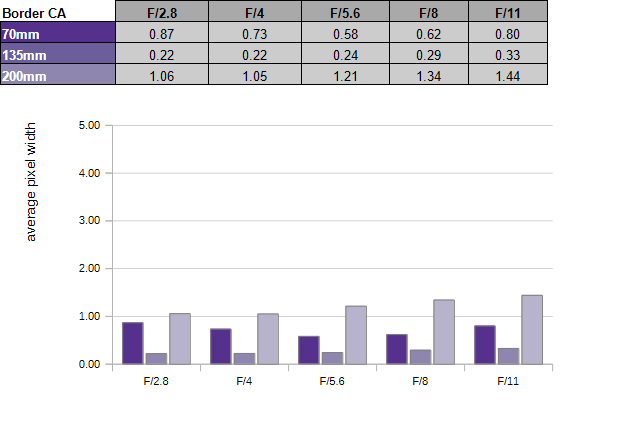
Lateral chromatic aberrations (color shadows at harsh contrast transitions) are mostly well controlled. At 70mm and 135mm they stay well below 1px on average at the image borders. They do climb a little across this threshold at 200mm. However, lateral CAs are autocorrected so that’s not really an issue in real life.
Bokeh
Sharpness is important but a fast medium-tele lens is also meant for shallow depth-of-field photography so let’s see what the bokeh can give us here.
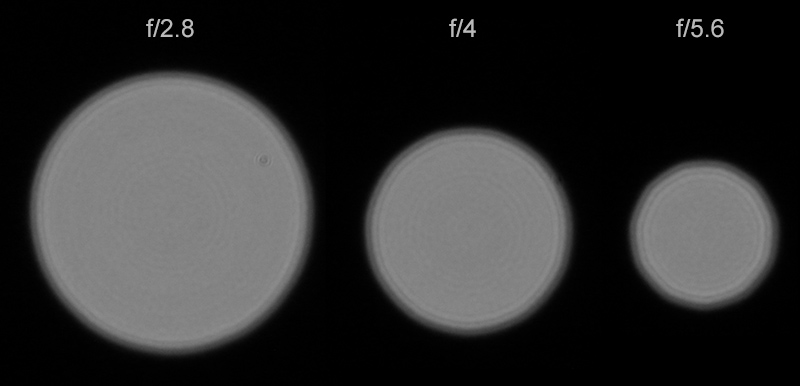
Out-of-focus central highlights are perfectly circular at f/2.8. Thanks to no less than 11 rounded aperture blades this also applies to f/4 and, mostly, f/5.6. The inner zone is very smooth for a zoom lens and the edges of the discs are slightly feathered, although we can spot a secondary ring there as well. The latter gets a little more obvious when stopping down.
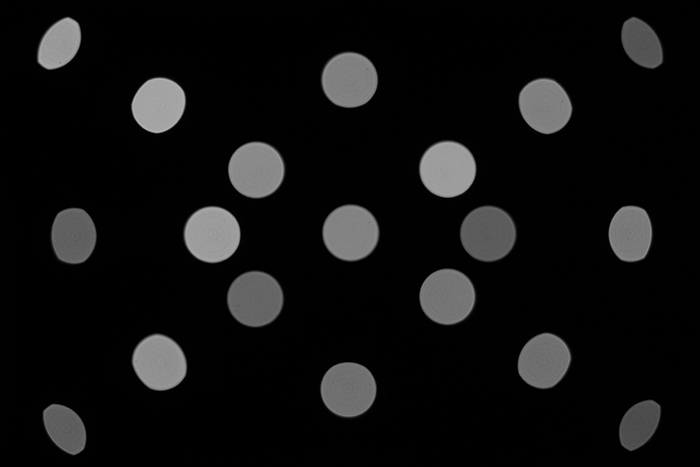
The circular discs remain intact up to the midfield at f/2.8. Beyond, the shape deteriorates and it’s a bit edgy in the corners – which is unusual. As usual, the “good zone” broadens when stopping down and the corner discs are restored to their circular shape at f/5.6.


The general out-of-focus rendition is smooth in the image background (shown to the left below). The foreground blur is a tad busier but still pretty good.

Bokeh Fringing / LoCA
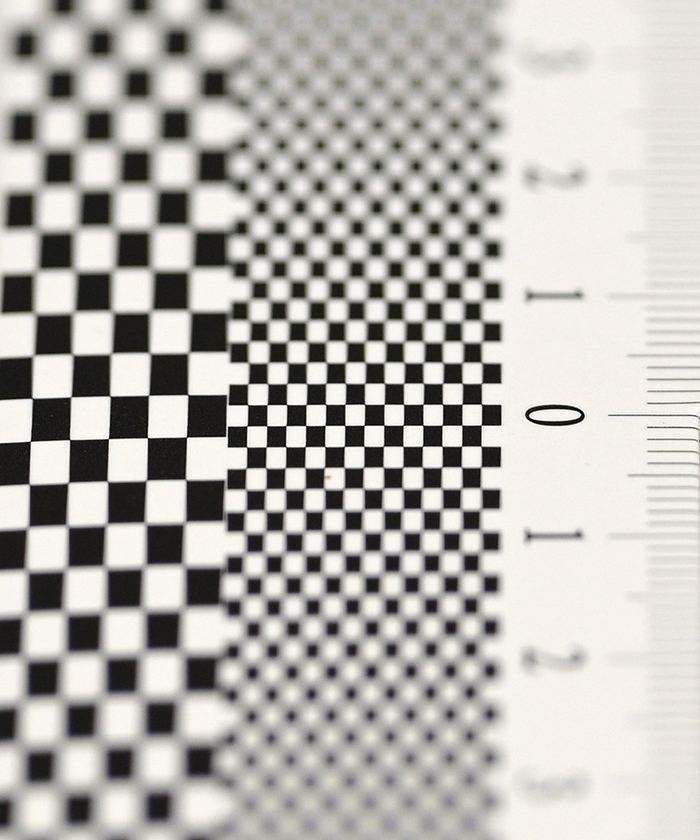
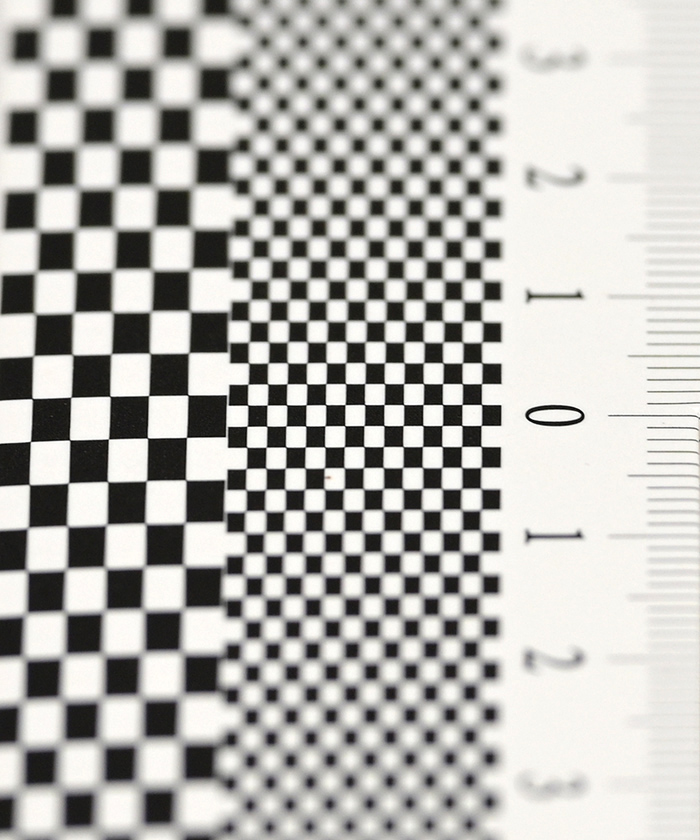
Bokeh fringing (non-coinciding focal planes of the various colors) is a common issue with relatively fast glass. As you can notice below, the halos have different colors – magenta (red + blue) in front of the focus point and green beyond. Unlike lateral CAs, bokeh fringing cannot easily be fixed in post processing.
The Nikkor uses both a Super ED and fluorite element in its optics and it shows – axial CAs are all but absent thus a great result here.
There is no detectable focus shift as you can see when scrolling across the aperture range.
One more thing…
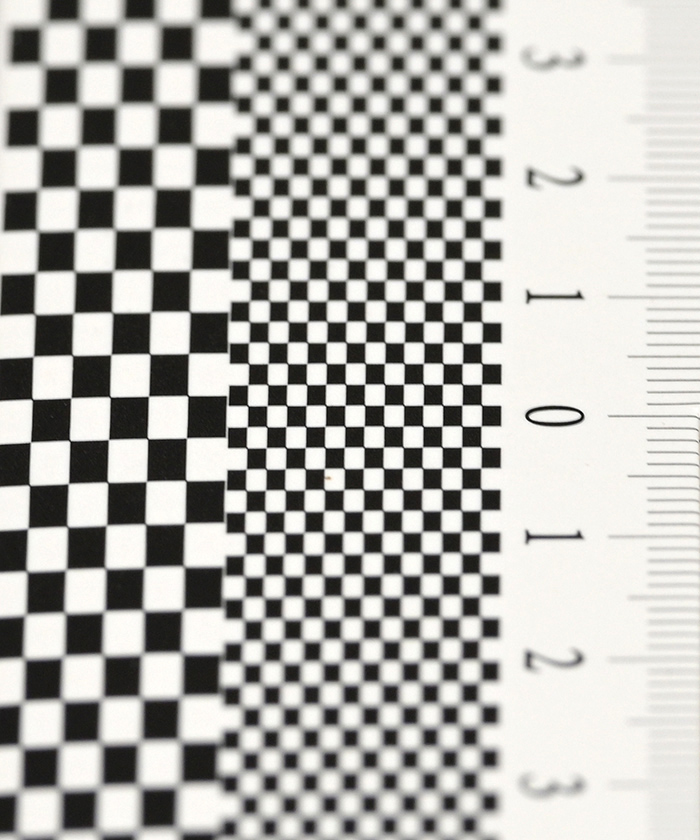
The focal length of a lens is typically calculated at infinity focus. The specified focal lengths printed on the lens are usually an approximation rather than 100% correct down to the last digit. A deviation of ~3% is fairly normal. Furthermore, modern lenses tend to have a reduced focal length towards closer focus distances – this is what causes focus breathing.
Having said this, we didn’t really spot any visually relevant focus breathing with the Z 70-200mm f/2.8 VR S II. Note: The folks over at cameralabs determined a magnification of 1.7% at 200mm – which isn’t much really.
However, we did notice that the distance to our test chart was shorter than expected – and it was shorter than for another lens with a 200mm setting that we tested at the same time. Ideally, a 200mm lens should have a distance of ~7.1m to cover our test target. The Nikkor required only ~6.16m. In case of the 2nd lens, this was close to 7m. If the focus breathing was significant you could explain this, but given the marginal breathing here, it raises questions (AI was also not able to come up with an explanation).
Using the “thin lens” formula, we calculated an effective focal length of roughly ~172mm. The “thin lens” formula is simplified and using it on a lens with a complex optical design has an error margin. Still, the discrepancy seems a bit much. FWIW, the effective focal length at 70mm is correct according to the “thin lens” formula.
Sample Shots


Nikon's primary goal with the Nikkor Z 70-200mm f/2.8 VR S II was obviously a length and very noticeable weight reduction. And you can feel it when shooting out there. Optically, the differences to the mk I are less obvious - also because the mk I was great to start with. We noticed a bit of an improvement in center sharpness but also a slight drop in overall quality at 200mm - possibly due to the shorter length? Don't misunderstand us here though, the Z 70-200mm f/2.8 VR S II is still a beast optically. The bokeh is very smooth and it continues to impress with the lack of axial CAs (aka LoCAs). RAW images reveal slight lateral CAs, moderate vignetting and image distortions but autocorrection handles this nicely.
The build quality is, of course, up to professional standards despite the much lower weight. Nikon also increased the AF speed with its new SSVCM focusing system. Action photographers will love it. Videographers will also appreciate the practical lack of focus breathing. We were, however, a bit puzzled by the effective focal length at 200mm setting during our tests.
Overall, the Z 70-200mm f/2.8 VR S II is impressive but if you can live with the higher weight and somewhat slower AF there isn't really a compelling reason for an upgrade if you already own the mk I. Even so, highly recommended!
If you'd like to support our work, please consider shopping for this or other lenses via one of the following partners:
* Amazon (US)
* Amazon (EU)
* B&H (US)
* Adorama (US)
* KEH (used gear, US)
The Good
- More compact and much more lightweight compared to the mk I
- Nice bokeh
- Tough as nails
- No relevant axial CAs
- Extremely fast AF
- Very sharp, of course
The Bad
- Not any better than the mk I especially at 200mm
- Is this really a 200mm lens at the long end?
-
Optical Quality8.5
-
Build Quality9.5
-
Price / Performance8.5