


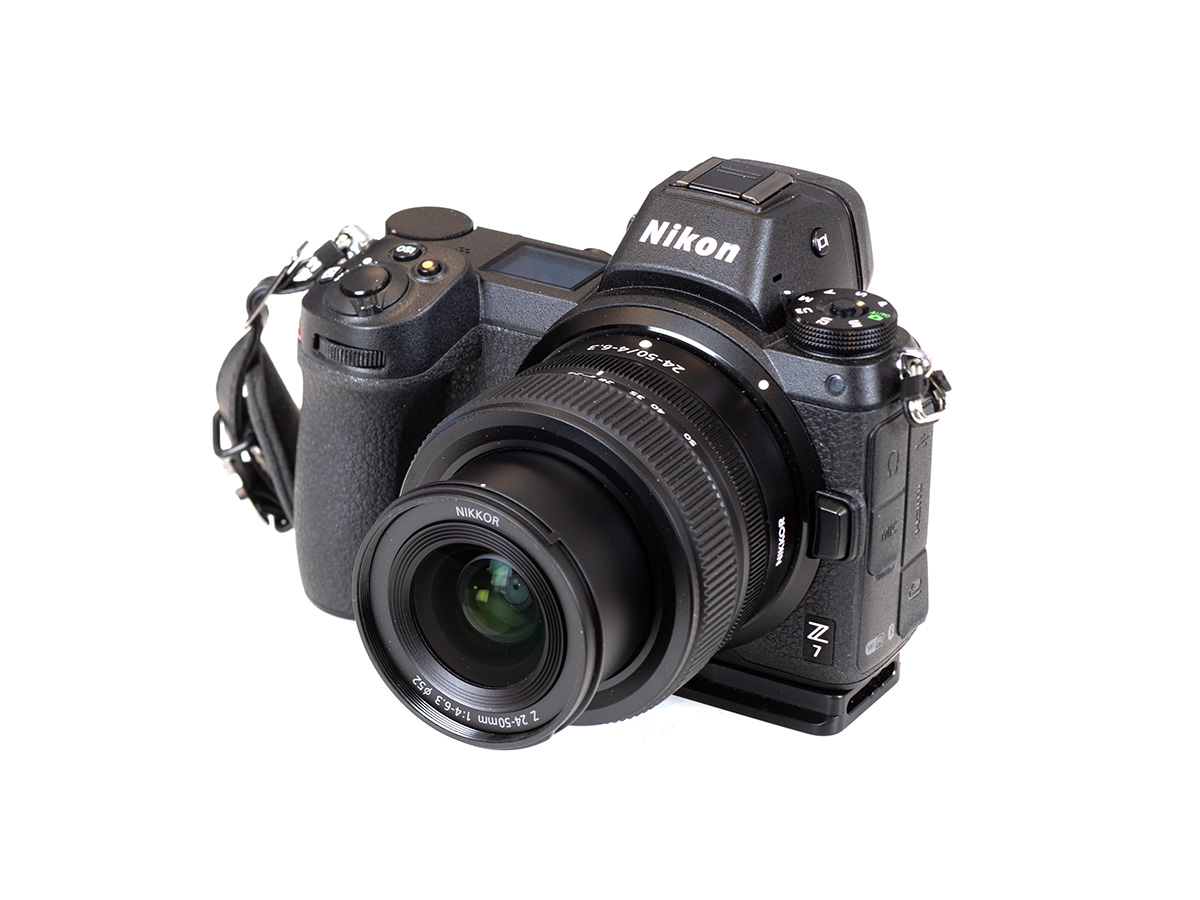
So you’d like to purchase a new system camera but can’t afford any of the fancy lenses in the Nikon lineup? Nikon (and all the others) have something for you then – a “kit” lens. There are a couple of options but the most affordable of them all is the Nikkor Z 24-50mm f/4-6.3. If purchased as part of a camera kit, it’ll cost just about $200-300 USD extra. Purchased separately, this would set you back $450 USD (but who does that …). So the question of the day is whether this is just cheap, or cheap and cheerful? Let’s find out.
In terms of build quality, it’s quite obvious that there’s some cost cutting going on here. The lens body is made from plastic down to the lens mount. Nikon is quite fond of retractable zoom lenses so they applied this here as well. Thus, you will have to rotate the zoom ring from its “lock” position to the 24mm mark to be able to use the lens. It may be a bit annoying but on the positive side, the length of the lens is tiny at just 51mm in its transport position. The physical controls are minimalistic. There’s the mentioned zoom ring and a customizable control ring that defaults to focus control. There is no AF/MF switch so you have to set this on the camera. This is perfectly fine considering the target user segment, of course. Surprisingly, Nikon still implemented some weather sealing. The petal-shaped lens hood is optional here.
The Nikkor uses a STM (Stepping Motor) for autofocusing. It’s an older motor type but perfectly adequate here. The AF speed is just fine and it’s quiet during operations. Focus breathing is fairly well-controlled.
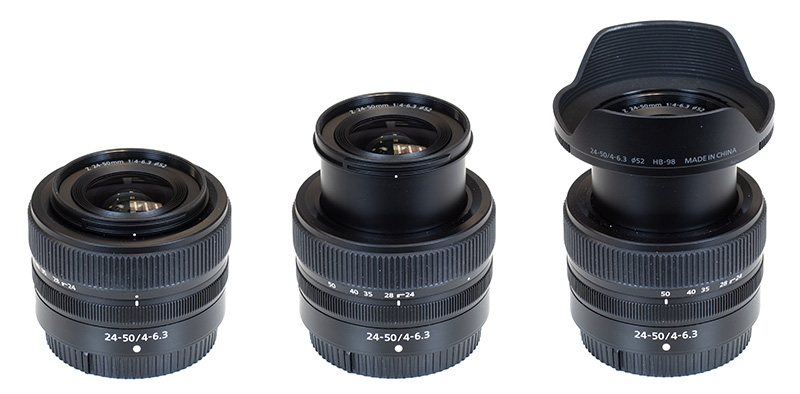
| Specifications | |
|---|---|
| Optical construction | 11 elements in 10 groups (2x ED, 3x aspherical) |
| Number of aperture blades | 7 (rounded) |
| min. focus distance | 0.35m (max. magnification 0.17x at 50mm) |
| Dimensions | φ 73.5 × 51mm |
| Weight | 195g |
| Filter size | φ 52mm |
| Hood | petal-shaped, optional ( Nikon HB-98 ) |
| Other features | dust- and drip-resistance control ring |
| Compatible mounts | Nikon Z |
Distortion
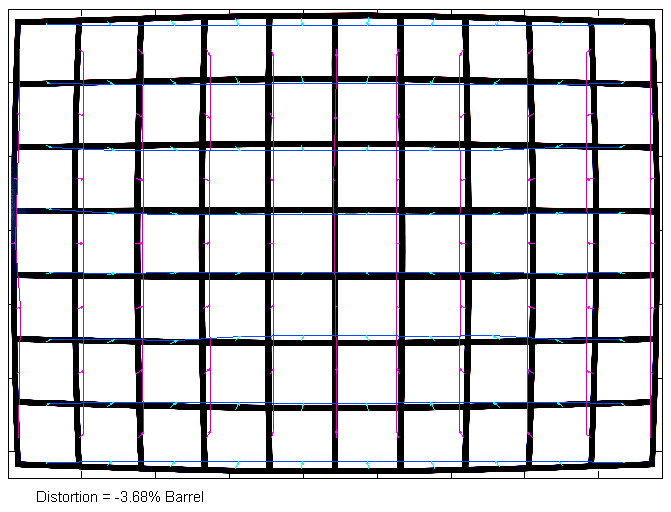
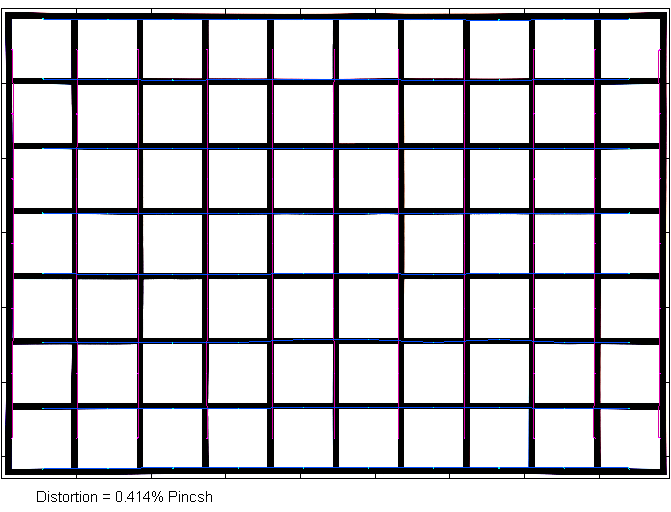
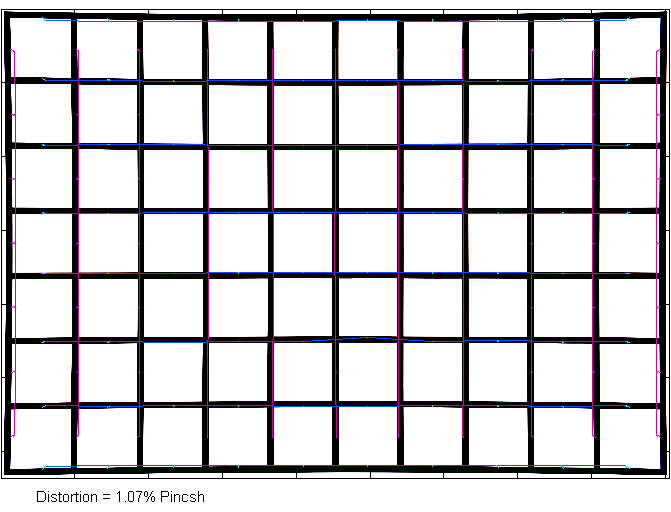
You may think that distortion control isn’t really a strength of the little Nikkor. However, it isn’t all that bad really. RAW images show a barrel distortion of ~3.7% at 24mm. We have seen A LOT worse than this on some other lenses. At 50mm, there is a mild pincushion-style distortion. And the two distortion types even out around the 35mm mark.
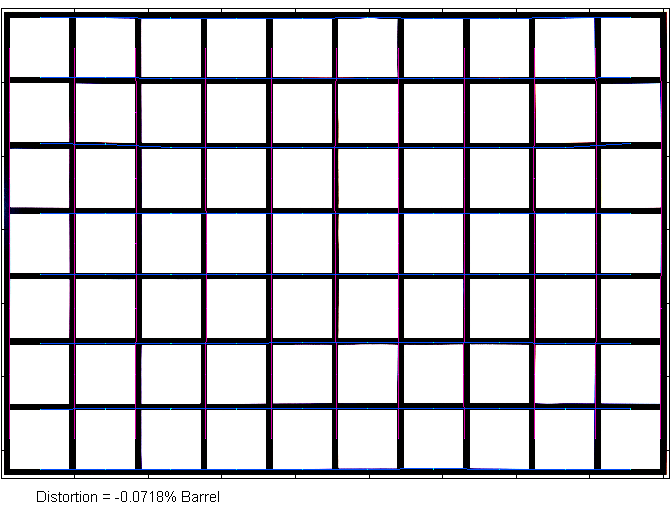
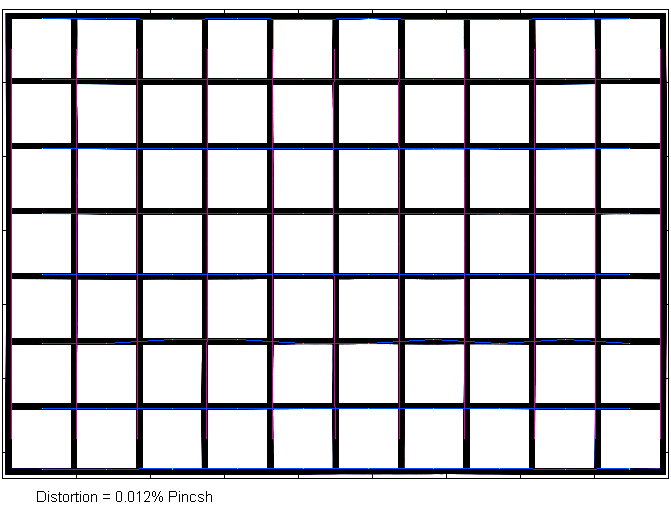
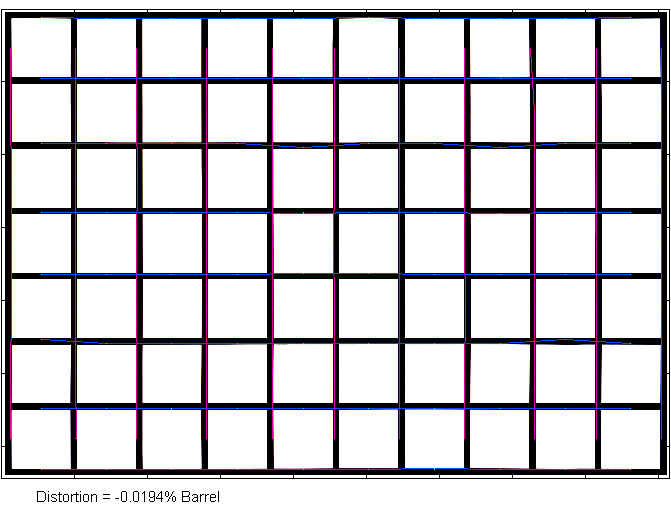
Auto-correction reduces the distortions to a negligible degree as you can see below.
Vignetting
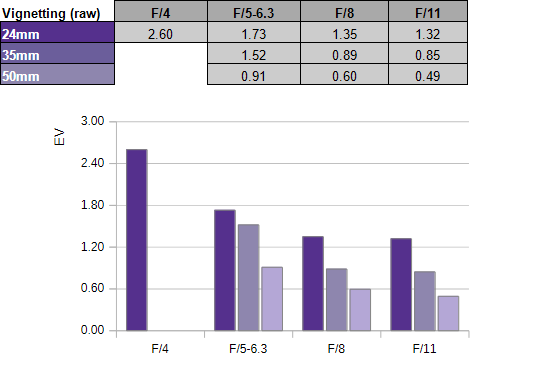
Unsurprisingly, the lens produces a fairly heavy raw vignetting of 2.6 EV (f-stops) at 24mm f/4. This is reduced by roughly 1 EV at f/5.6 and it settles at 1.3 EV at f/8. This isn’t quite as noticeable at other focal lengths. You will still see some vignetting at maximum aperture, but once again, stopping down a bit helps.
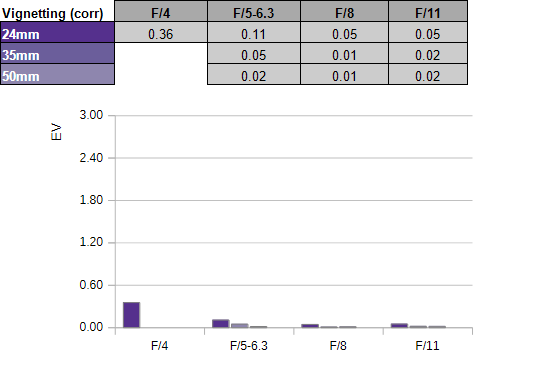
Most users, and certainly most beginners, will just leave autocorrection activated and this reduces the vignetting to a negligible degree even at fully open aperture settings.
MTF (resolution at 45 mp)
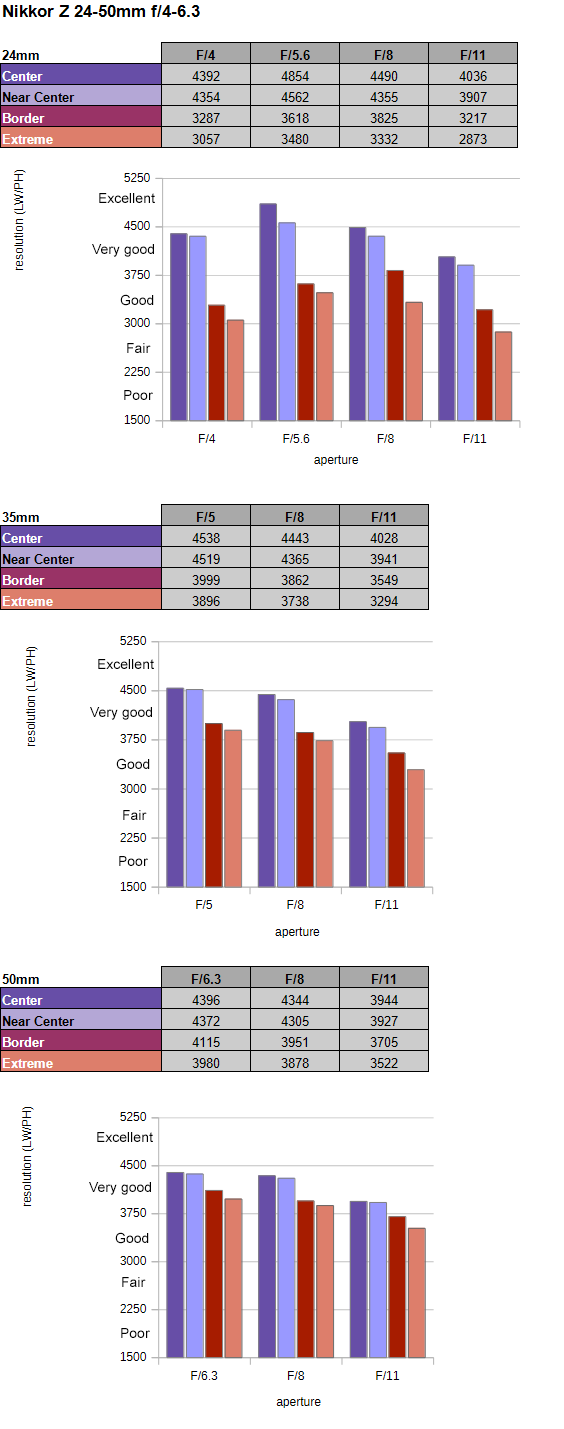
A cheap lens can’t be good, right? Well, the Z 24-50mm f/4-6.3 is actually better than what you might expect. The broader center is actually pretty good at all relevant settings. Unsurprisingly, the weakest spot is at the wide end. The outer image field is mostly good with only some softness creeping in at the last corner pixels (outside of our test spots). The performance is more uniform at 35mm and 50mm with very good results across the image frame.
The tested sample had a slightly uneven centering.
Please note that the MTF results are not directly comparable across the different systems!
Below is a simplified summary of the formal findings. The chart shows line widths per picture height (LW/PH), which can be taken as a measure of sharpness. If you would like to know more about the MTF50 figures, you may check out the corresponding Imatest Explanations.
Chromatic Aberrations (CAs)
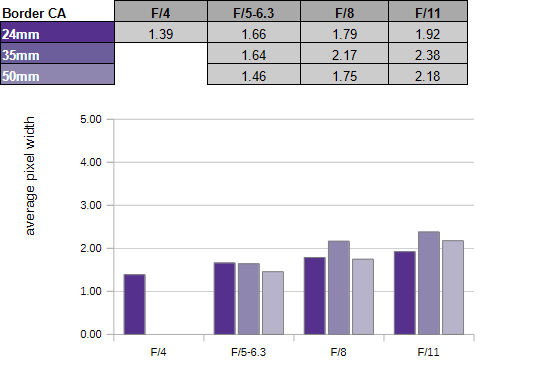
Lateral CAs are a bit on the high side. They reach a width of roughly 2px at the image borders when stopped down to medium aperture settings. However, keep in mind that lateral CAs are losslessly autocorrected in JPEGs and most RAW converters so it’s not a big deal in real life.
Bokeh
The Nikkor Z 24-50mm f/4-6.3 is certainly not made for shallow depth-of-field photography. The slow aperture and the short “tele” setting are very limiting factors here. It’s still possible to achieve some object separation at close focus distances.
This is based on old test images so some aspects are missing. Below is an image crop taken at 50mm f/6.3. It illustrates the out-of-focus highlight rendering near the image center. The discs show a slightly busy inner zone. There’s some noticeable outlining and color fringing at the disc edges.

The background rendering is surprisingly smooth in the focus transition zone (shown to the left below). The less important foreground blur (to the right) is busy (double-edged) in comparison.

Sample Images


Kit zoom lenses are always a compromise. They are always slow and the build quality is simple. However, this doesn't mean that they are bad. And the Nikkor Z 24-50mm f/4-6.3 isn't bad either. It may not offer an exciting optical performance but it does the job - especially on lower-megapixel cameras which is where you'll find it anyway. It is (mostly) quite sharp and autocorrection is hiding some of the issues that we've seen in raw files. Mechanically, it's both simple as well as complex. It's an all-plastic lens body with an extending inner lens tube. The complex part is the retractable zoom mechanism which is both a curse - because you have to unlock the lens first - and a blessing - because it's a tiny lens in transport mode. The AF is quite fast and near noiseless. It may not feature an optical image stabilizer but the IBIS in Nikon cameras should be more than sufficient here anyway.
So yes, the Nikkor Z 24-50mm f/4-6.3 is a budget lens but it's actually fairly decent although the new Nikkor Z 24-105mm f/4-7.1 is probably the more attractive option for a few bucks more.
The Good
- Cheap when purchased in a camera kit
- Very compact and lightweight
- Reasonable optical quality
The Bad
- Plastic construction down to the lens mount
- Expensive when purchased as a sole product
- Retractable zoom mechanism
- Very limited zoom range
-
Optical Quality6
-
Build Quality5
-
Price Performance10