


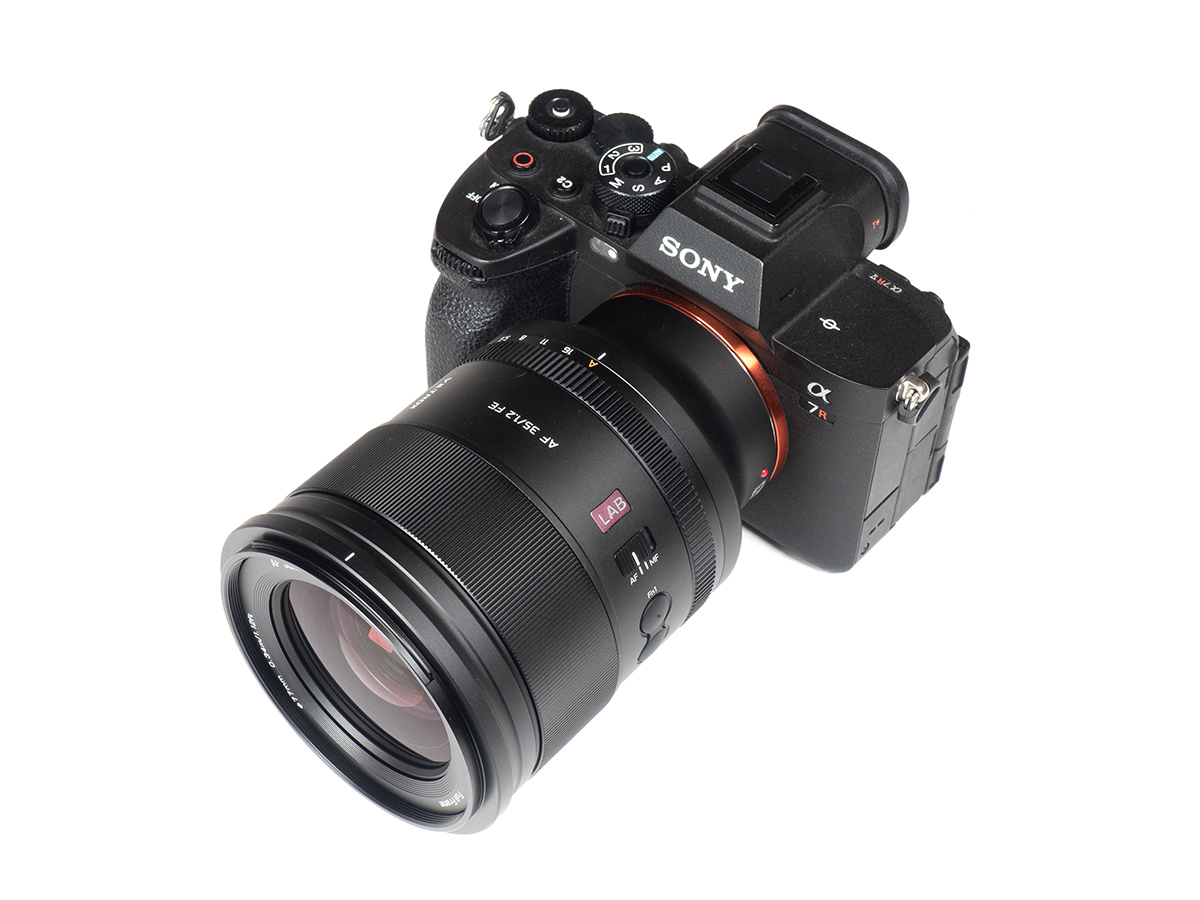
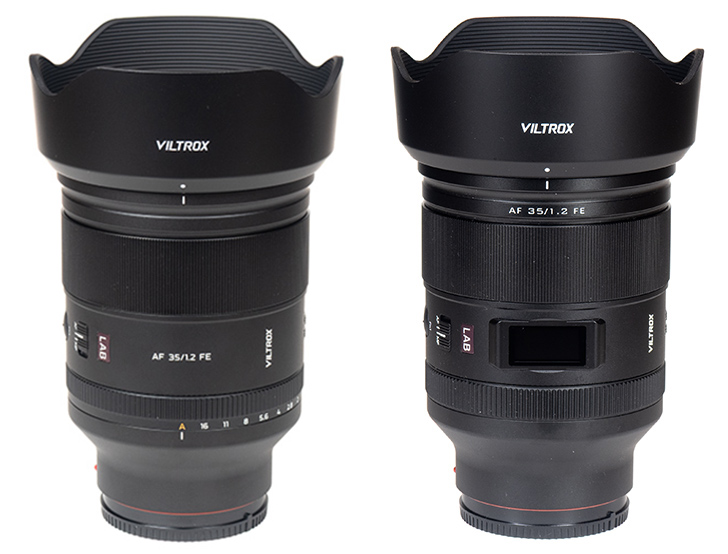
A little while ago, we already tested the Viltrox AF 35mm f/1.2 LAB FE in both Nikon Z and Sony E-mount – with impressive results. The original version of the lens – which is still available -uses a rather unusual aperture ring handling. The ring is unmarked and turns infinitely, and you can’t really determine the currently set aperture / mode before switching on the camera. While some videographers may actually prefer this, it’s probably not ideal from a photographer’s perspective. So Viltrox listened and released this new “N” version, which features a more traditional marked aperture ring with clear boundaries. It also omits the LCD of the original version. The LCD has a bit of a coolness factor but doesn’t really bring much value-add to the equation. Other than that, there are no differences between the two versions, including the price, which stays at a comparatively affordable $999 USD.
The build quality of the Viltrox lens is excellent. Given that this is a designated “LAB” lens – thus a member of their high-end lineup – this isn’t surprising anymore. It’s an all-metal construction, including weather sealing and a smoothly turning focus ring. In terms of controls, there is the already mentioned de-clickable aperture ring, 2 custom buttons, and the AF/MF switch. The lens has an internal focusing system, including a dual floating system for close focus correction. A petal-shaped lens hood is included. It uses a “Hyper-VCM” (Voice-Coil Motor) for focusing. A VCM is an electromagnetic linear actuator where the magnet is fixed and the coil is mobile. It has to perform some heavy work because of the weight of the glass elements here. We’d still rate the AF speed as very good (on an A7R V). Manual focusing works by wire – as usual.
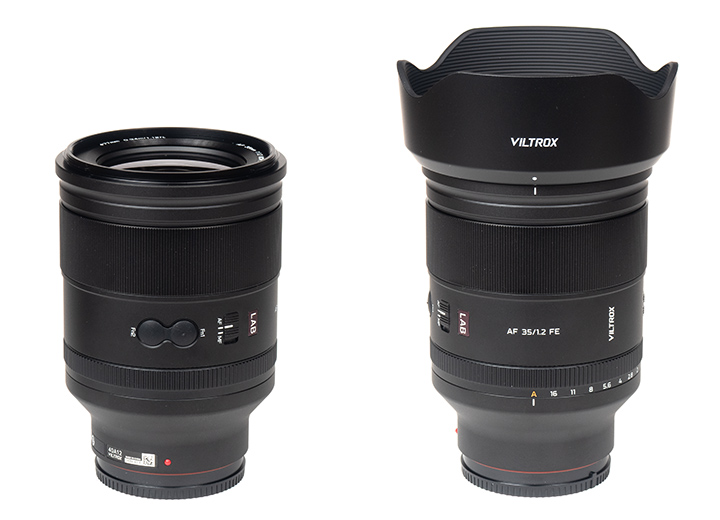
Here’s a comparison between the new “N” version (to the left) and the original version with the display:
| Specifications | |
|---|---|
| Optical construction | 15 elements in 10 groups (5x ED, 3x HR, 2x aspherical) |
| Number of aperture blades | 11 |
| min. focus distance | 0.34m (max magnification: 0.17x) |
| Dimensions | φ89.2×121.8mm |
| Weight | 920g |
| Filter size | φ77mm |
| Hood | petal-shaped (bayonet mount, supplied) |
| Other features | Dual floating system Aperture ring (de-clickable) 2x custom buttons (focus lock, A-B distance preset) Firmware updates via USB-C/Bluetooth |
Distortions
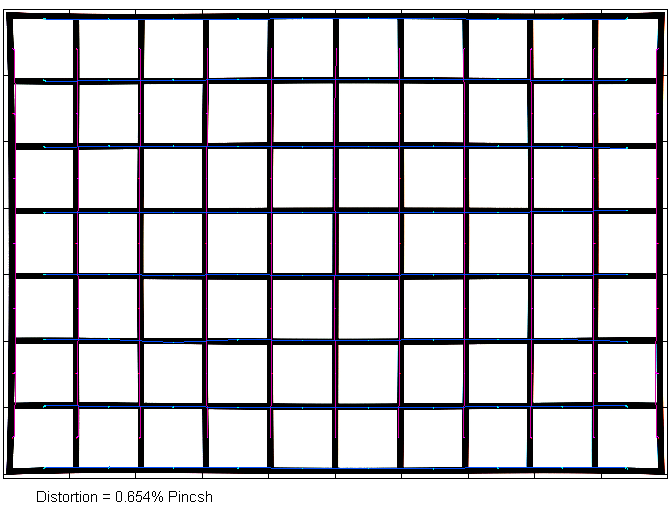
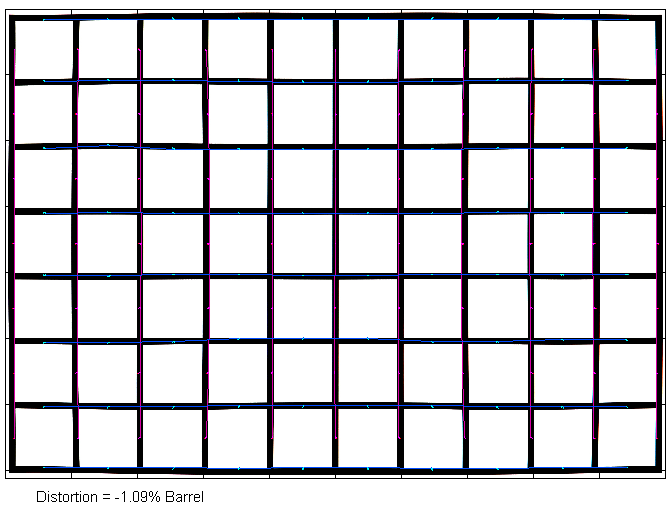
The Viltrox lens produces a native image distortion of ~0.7% pincushion-style. This is better than usual. Compared to the original version, the “N” does feature a distortion correction profile now. However, it overshoots and turns the pincushion distortion into a mild barrel distortion. This may relate to the specific focus distance used for testing. However, a mild barrel distortion is usually preferred over a pincushion distortion anyway.
Vignetting
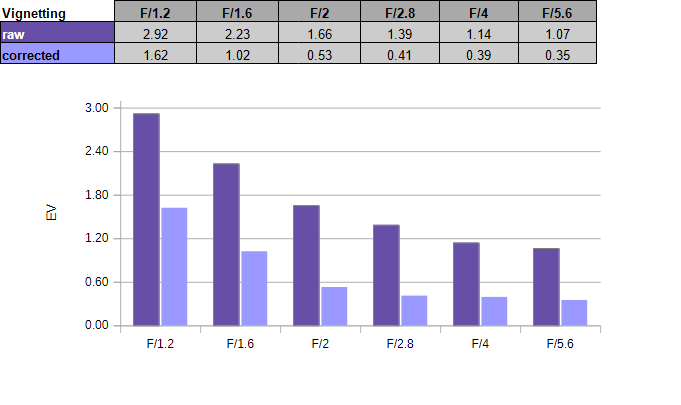
The raw vignetting is normal for an ultra-fast lens. At f/1.2, the light falloff is 2.9 EV (f-stops). Stopping down to f/2 cuts this down to roughly half of this. And it’s acceptable from f/4. Regardless, auto-correction is recommended here. Activated, it reduces the vignetting quite substantially at f/1.2, although it is still visible. The issue is mostly gone from about f/2 in this case.
Note: There’s a slight variation compared to the test of the original lens, but that’s within error margins for this test case.
MTF (resolution) at 42 megapixels
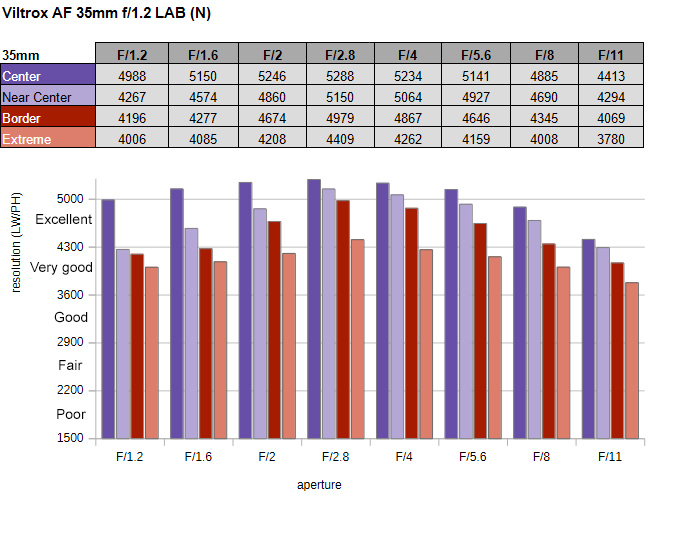
The Viltrox AF 35mm f/1.2 LAB N FE performed a little better than in the original test of the E-mount version – possibly because the original test was performed on a pre-production sample—or it’s just about sample variation. The “N” results are, however, mostly in line with what we’ve seen in the Z-mount test.
The center resolution is already tack sharp at f/1.2. Beyond the dead center, the quality drops but stays easily at a very good level even in the image corners. Stopping down to f/1.6 boosts the center quality a little. At f/2, the borders are excellent as well, and at f/2.8, the corners creep into this quality level as well. The peak performance is also reached at this setting. This quality is mostly maintained until diffraction takes its toll. The effect becomes a bit more visible at f/11, which is “late”. The effective aperture seems to be about 1/3-ish of a stop faster here than specified. This is rather irrelevant from a user perspective, though, because Sony cameras meter stopped down.
The centering quality of the tested sample was good. The field curvature is flat.
Please note that the MTF results are not directly comparable across the different systems!
Below is a simplified summary of the formal findings. The chart shows line widths per picture height (LW/PH) which can be taken as a measure of sharpness. If you would like to know more about the MTF50 figures, you may check out the corresponding Imatest Explanations.
Chromatic Aberrations (CAs)
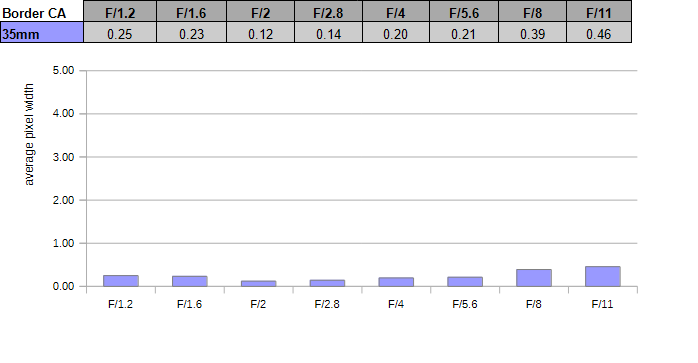
Lateral CAs are extremely low at large aperture settings and increase only slightly from f/2.8 onward. Even at its peak, they don’t reach disturbing levels.
Bokeh
Such a fast lens isn’t just about sharpness but also about the out-of-focus rendering, aka the bokeh.
Out-of-focus highlights are very nicely rendered near the image center. The inner zone of the discs is very smooth despite two aspherical elements in the design. There is virtually no outlining, and the circular shape remains intact even at f/2.8 thanks to no less than 11 aperture blades.
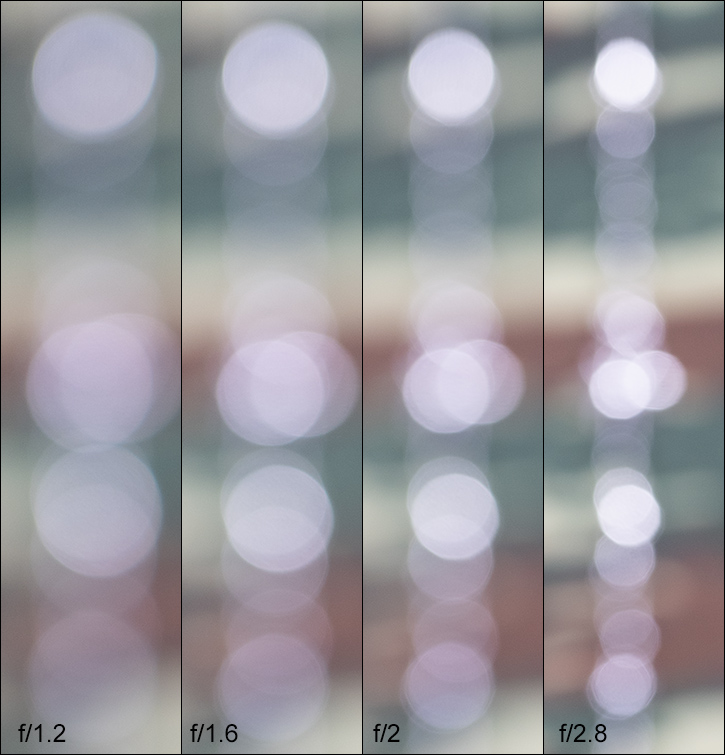
When looking at the highlight rendering across the image field, we can see a slight shape deterioration from the midfield onward at f/1.2. However, even the corner highlights aren’t harshly cut but maintain an almost ellipsoid shape. As usual, stopping down increases the “perfect” zone.
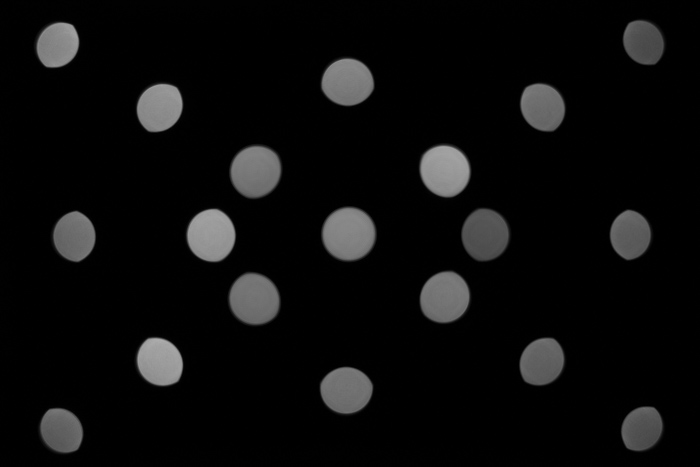
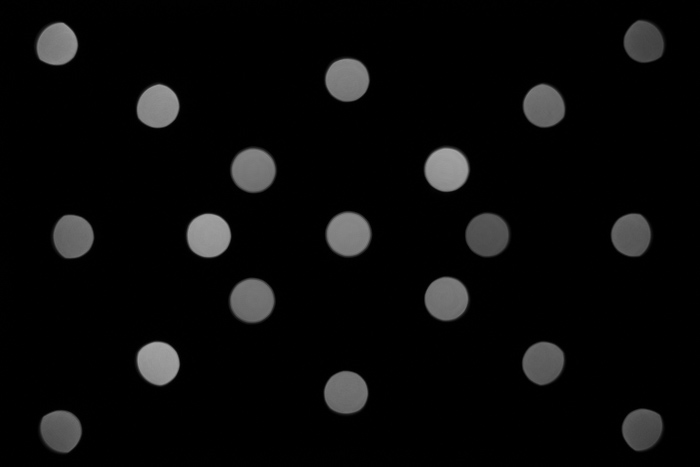



The blur in the focus transition zone is very decent. The more critical background blur (shown to the left below) is very smooth. The less critical foreground bokeh is a bit busier.
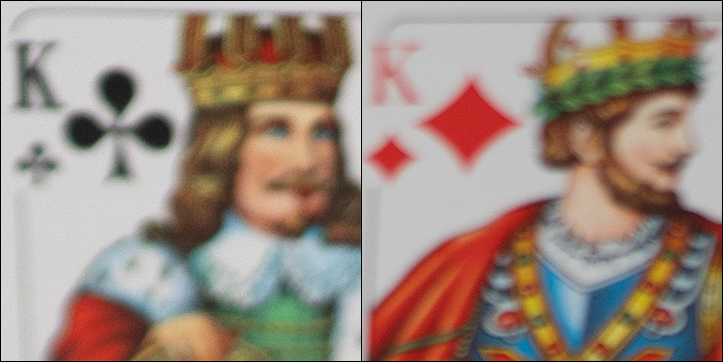
Bokeh Fringing / LoCA
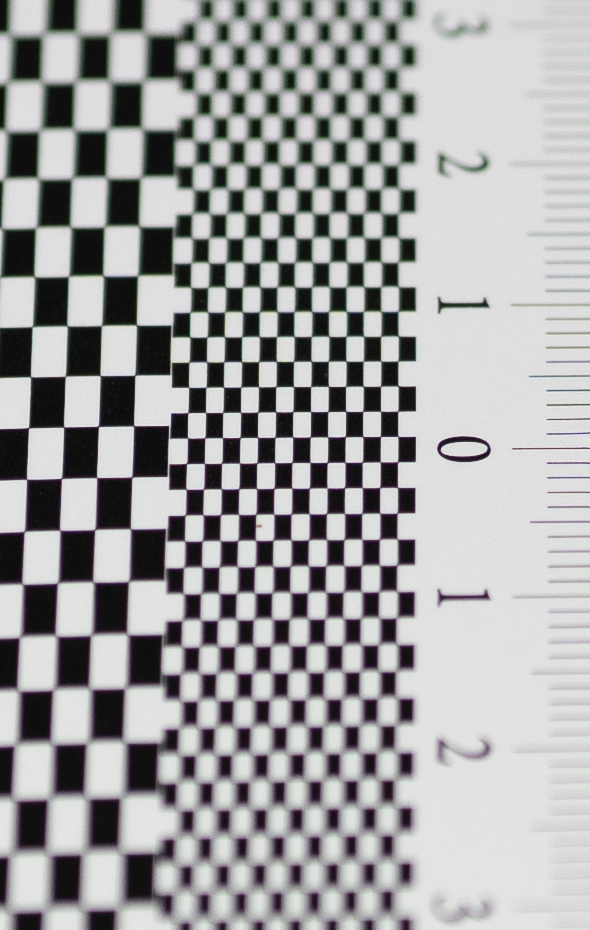
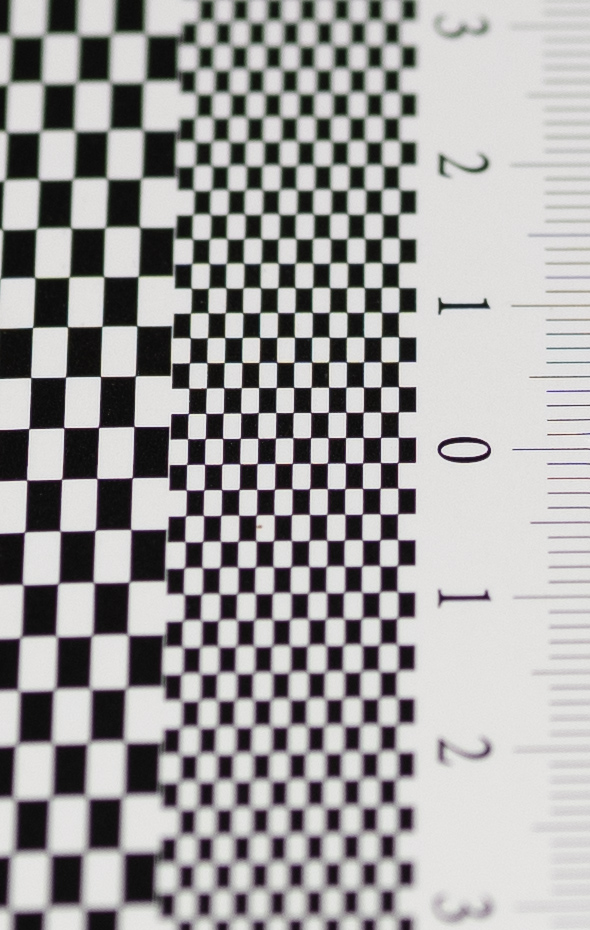
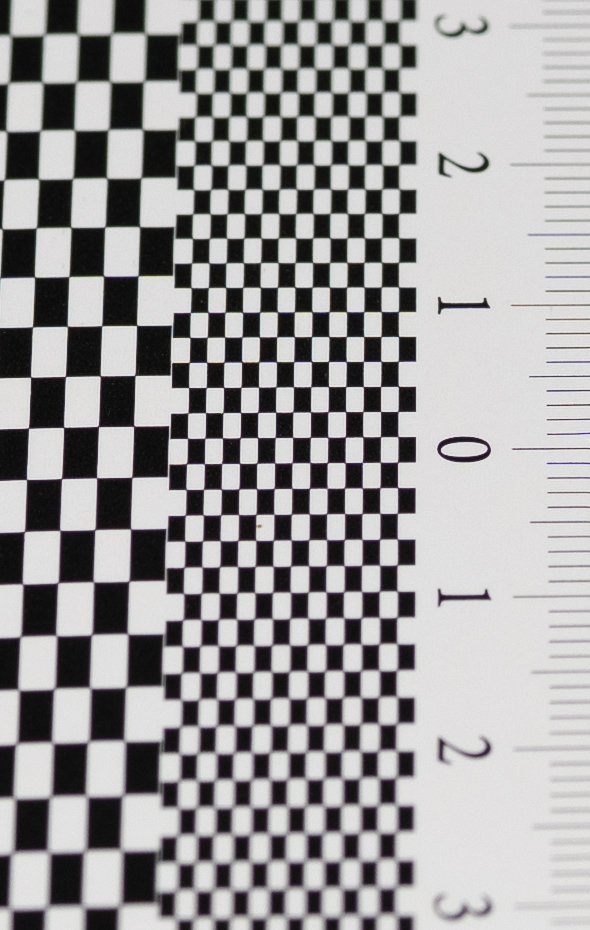
LoCAs, or bokeh fringing, is a color fringing effect on the Z-axis. It shows up with a purplish tint in front of the focus point and a greenish tint behind – and it’s nearly impossible to fully correct in post.
As you can see below, the Viltrox lens shows some color fringing at f/1.2 without being extreme. Stopping down to f/2 reduces it substantially, and the issue is basically gone from f/2.8.
There’s only a very marginal focus shift towards the rear here. This amount isn’t relevant in real-life scenes.

Sun Stars
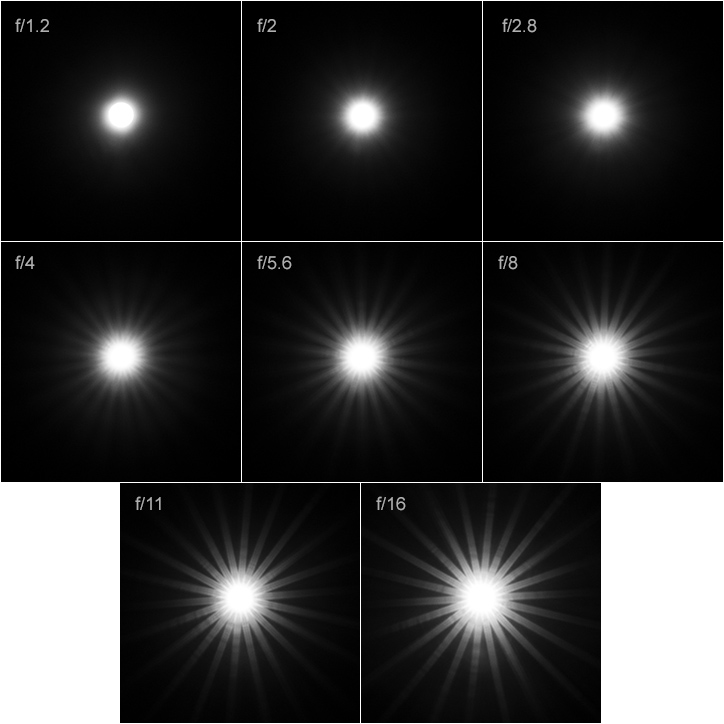
Sun stars/rays are an aperture effect when stopping down – introduced by an increasingly edgy aperture shape. They occur when shooting images with very bright light sources such as the sun or streetlights at night.
We’ve taken the results from the original non-N lens here. The Viltrox lens isn’t optimized for this kind of effect because of its 11 aperture blades. However, it is possible to produce some fairly decent rays at f/11 and f/16. At large aperture settings, bright spotlights are only rendered as a “blob” due to the near-circular aperture shape.
Competition
As always in Sony E-mount, there are numerous lenses to choose from also in this lens class. The primary competitor is the Sony FE 35mm f/1.4 GM. It’s slightly slower, obviously, which also explains why its price tag isn’t too far off from the Viltrox AF 35mm f/1.2 FE N LAB. Among the 35mm f/1.4 lenses, there’s also the Sigma 35mm f/1.4 DG DN ART and the Samyang AF 35mm f/1.4 FE II – both of which are substantially cheaper, especially the Samyang. Directly comparable in terms of speed is the Sigma 35mm f/1.2 DG DN ART at the same price tag. The Sigma will see a successor (mk II) soonish.
Sample Images


This test didn't reveal anything fundamentally new, but that's a good thing here, of course. Just like the non-N version, the Viltrox AF 35mm f/1.2 LAB N FE continues to impress. It's very sharp at f/1.2 already - and slightly better than on the non-N sample that we reviewed before. And it's stunningly good when stopped down a little. Lateral CAs are very low. Axial CAs are noticeable at large aperture settings, although not excessive. The vignetting is typical for such a lens. The lens produces a slight pincushion distortion in RAW images, which turns to slight barrel distortion when autocorrected. The background bokeh is very smooth, and out-of-focus highlights are nicely rendered.
The build quality is up to professional standards thanks to a weather-sealed all-metal housing. The focus control ring is smooth. The "N" version has a conventional, marked aperture ring now - which is surely a welcome change, at least among photographers. The AF is quick and noiseless.
Unsurprisingly, the Viltrox AF 35mm f/1.2 LAB N FE maintains its "Highly Recommended" badge again.
Support us by shopping at:
* Amazon
* B&H
* Adorama
* Viltrox
The Good
- Impressively sharp
- Superb build quality
- Affordable for what it is
- Improved aperture handling over the non-N version
- Good bokeh
The Bad
- It's heavy (but that's to be expected)
- Some LoCAs at f/1.2
-
Optical Quality9
-
Build Quality9
-
Price / Performance10