


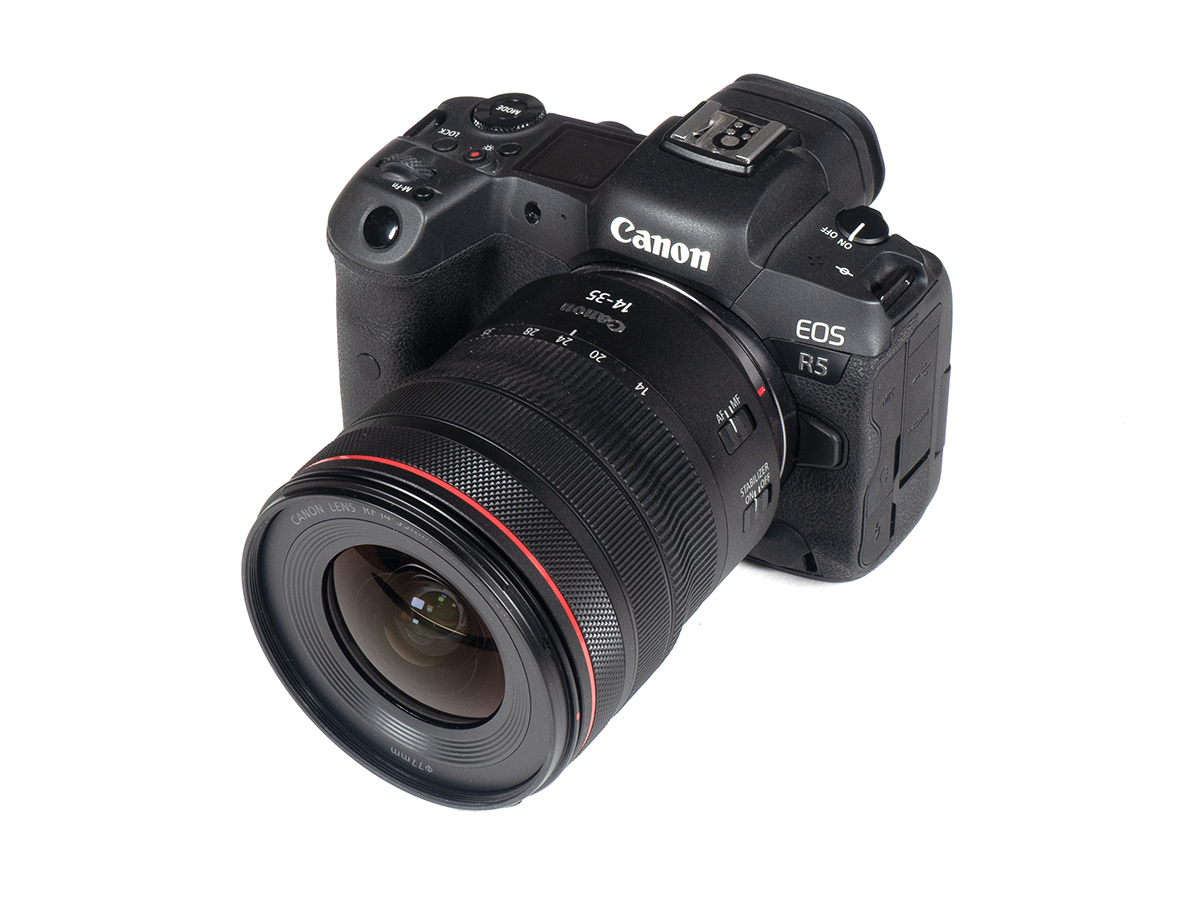
The Canon RF 14-35mm f/4 L IS USM is one of four (!) Canon ultra-wide zoom offerings in the RF mount lens lineup, positioned as a more compact and affordable alternative to the flagship RF 15-35mm f/2.8 L IS USM. With a retail price of approximately $1500/ €1500, it’s a premium mid-tier offering in Canon’s L-series range.
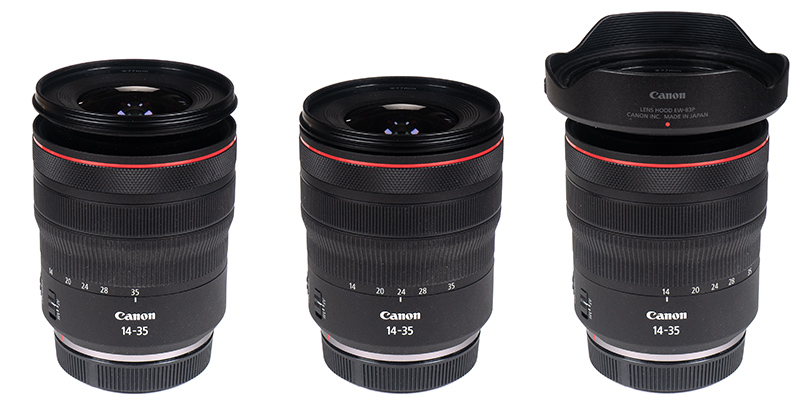
Mechanically, it follows the tradition of most other Canon RF lenses. The lens body is made of high-quality engineering plastics based on a metal mount. The zoom and focus rings are rubberized and turn smoothly. It is also weather-sealed for more demanding outdoor shooting situations. Canon has also included a customizable control ring that allows photographers to adjust settings like ISO or aperture directly from the lens. The RF 14-35mm f/4 L uses an internal (rear-)focusing mechanism, but no internal zooming. It extends slightly by about a centimeter towards the extreme ends of the zoom range, and it is shortest around the 23mm focal length mark. Where the RF 14-35mm f/4 L distinguishes itself is in its physical footprint. Thanks to its moderate max. aperture of f/4, it is notably more compact than the Canon RF 15-35 f/2.8 L. A small, petal-shaped lens hood is part of the package.
Unlike Canon’s consumer-grade lenses, the RF 14-35mm L uses a Nano USM (Ultrasonic Motor) autofocusing system. While fast focusing is usually not needed in this lens class, it’s certainly a welcome choice here.
Manual focusing works, as usual, “by-wire”. It’s also worth noting the minimum focus distance of just 0.2m (max object magnification 1:2.63) is unusually close.
Officially, the optical image stabilizer has an efficiency of up to 5.5 f-stops and up to 7 f-stops when combined with the camera’s in-body stabilization system. As usual, you shouldn’t expect this to be achievable in the real world, but it comes close.
| Specifications | |
|---|---|
| Optical construction | 16 elements in 12 groups (2x UD, 2x aspherical, 1x hybrid) |
| Number of aperture blades | 9 |
| min. focus distance | 0.2m (max object magnification 0.38x) |
| Dimensions | φ 84.1 x 99.8mm |
| Weight | 540g |
| Filter size | φ 77mm |
| Hood | petal-shaped, bayonet mount |
| Other features | Image stabilizer (5.5 stops, 7 stops w/ IBIS), weather-resistant control ring |
Distortions
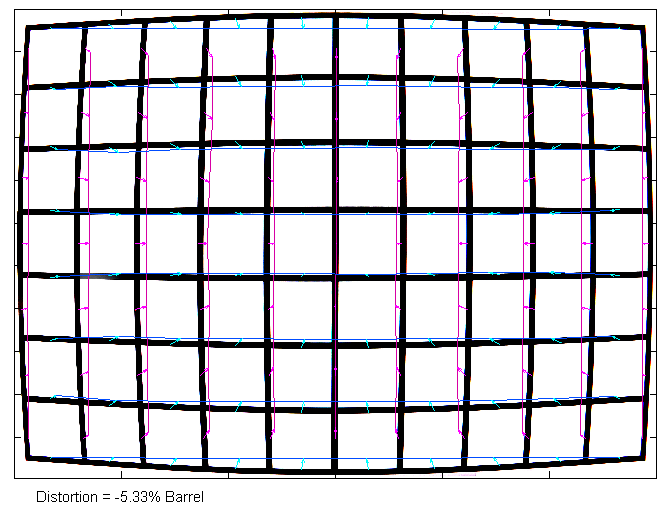
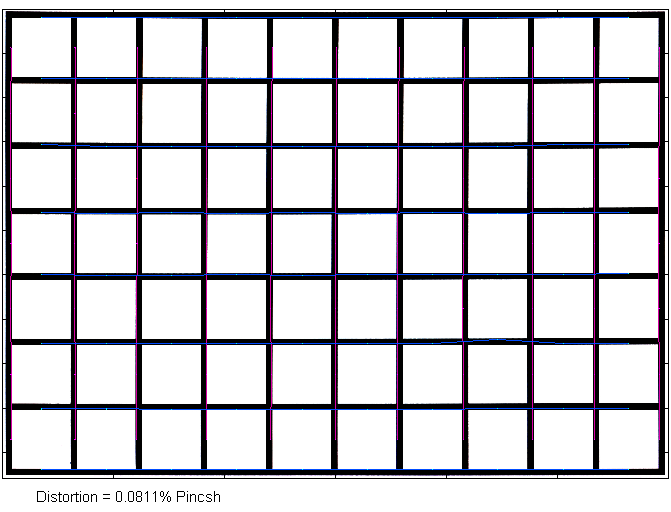
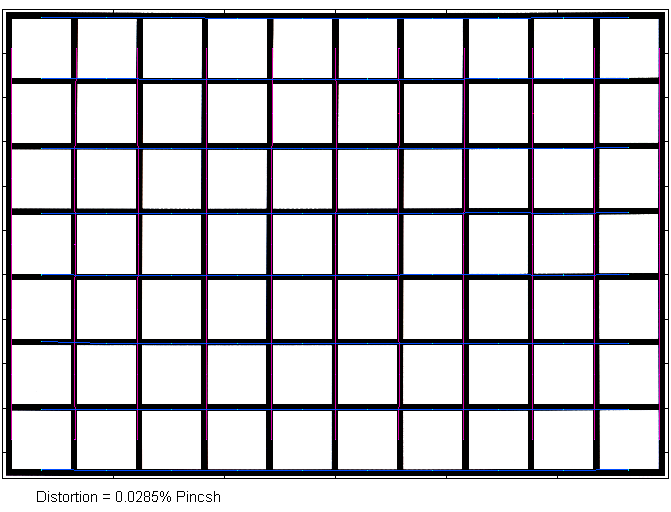
Most modern ultra-wide zoom lenses rely heavily on digital autocorrection, and the RF 14-35mm f/4 L USM IS is no different. RAW images reveal a very heavy barrel distortion of ~5.3%. The barrel distortion decreases the more you zoom in. It’s actually already acceptable at 18mm (2%) and it’s negligible from the mid-range up to 35mm.
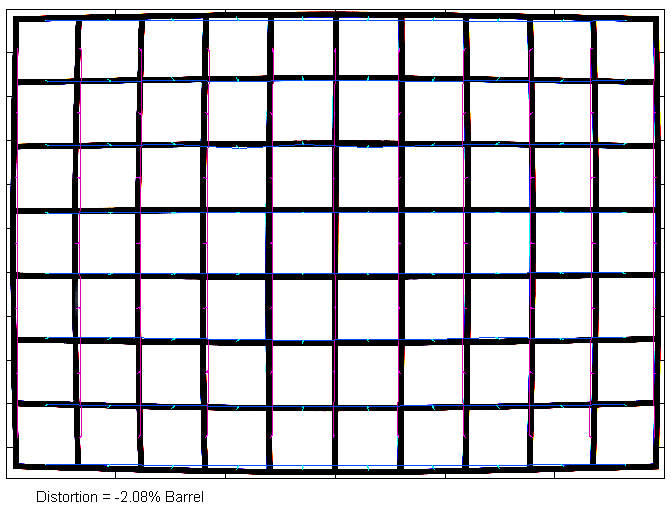
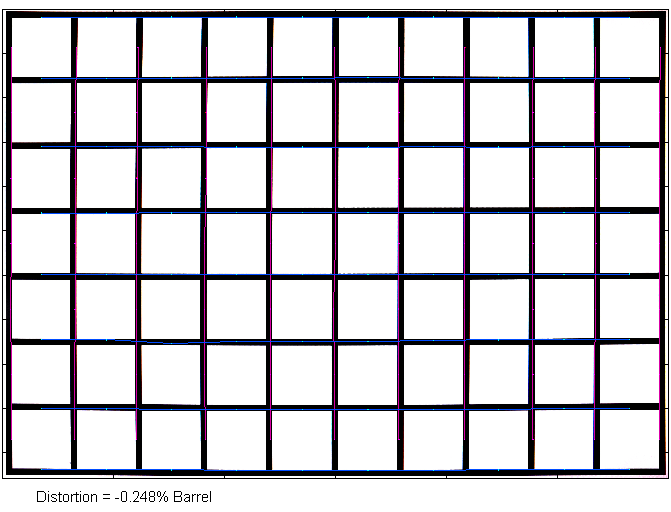
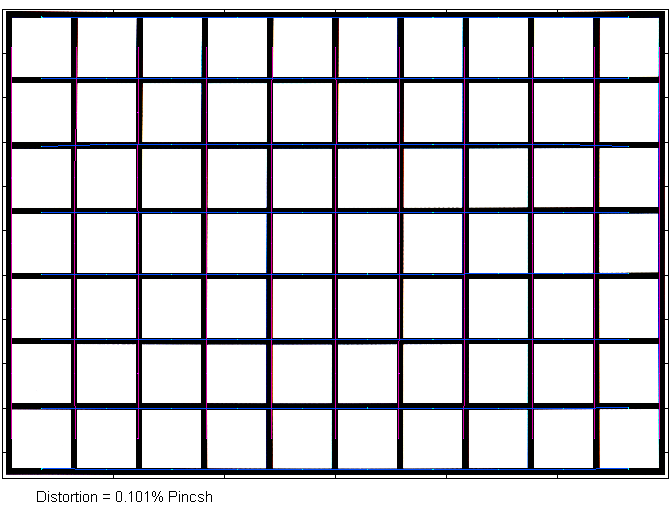
With activated autocorrection, the image distortions are perfectly eliminated:
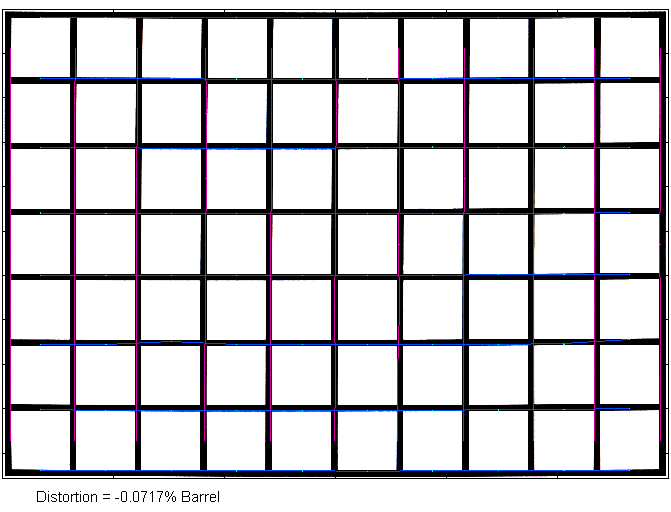
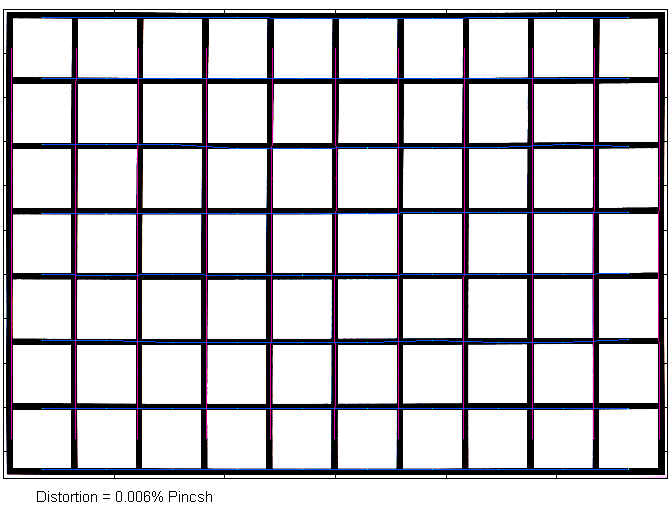
Vignetting
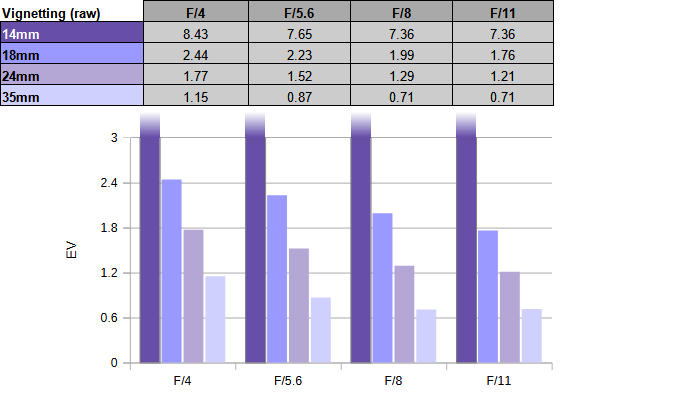
The vignetting figures also indicate that the RF 14-35mm f/4 L isn’t meant to be used without distortion correction. In RAW images, the vignetting is excessive at 14mm, and stopping down to f/11 doesn’t make a difference. The light falloff is high at 18mm, but not out of the ordinary for an ultra-wide-angle lens. The vignetting is still visible at 24mm, and it’s well controlled at 35mm.
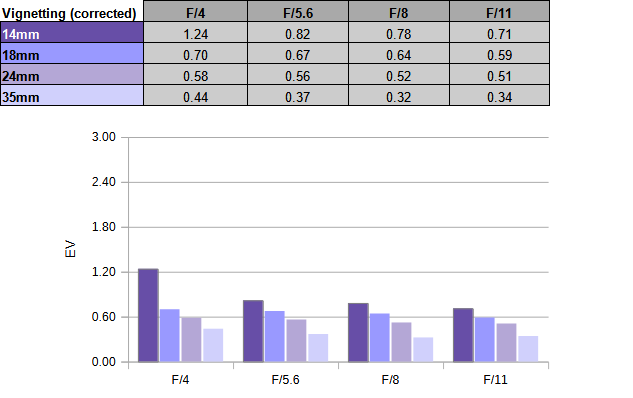
With both vignetting AND distortion autocorrection active, the situation eases significantly. There’s still a visible vignetting at 14mm at f/4, but it’s not disturbingly high. Other than at this setting, the vignetting isn’t really an issue anymore.
MTF (resolution) at 45 megapixels
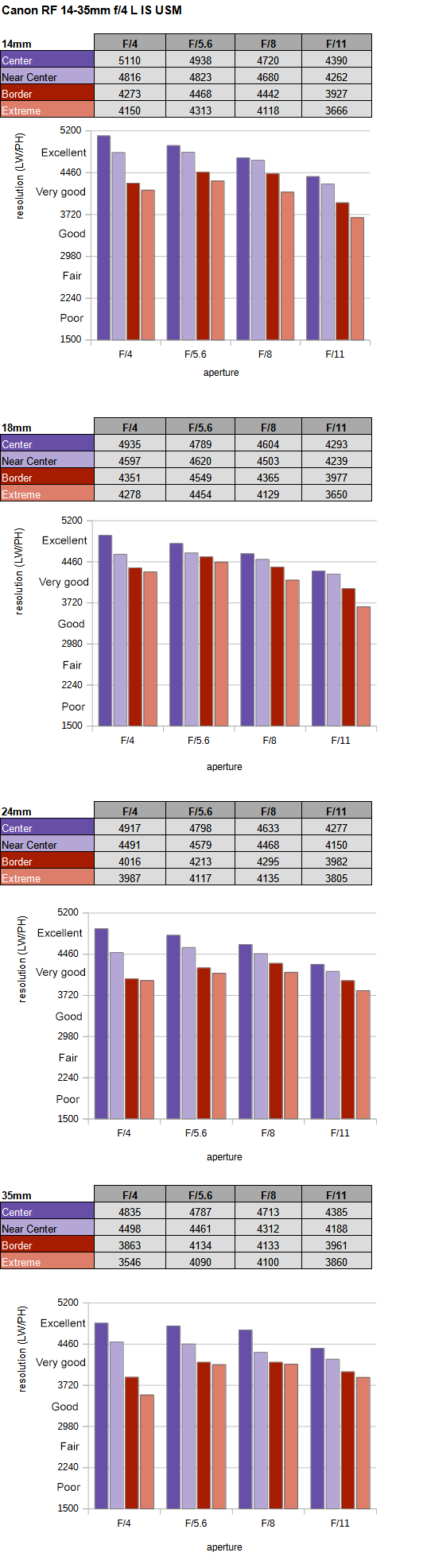
The Canon RF 14-35mm f/4 L USM IS delivered highly impressive resolution figures in the lab. The broader image center is generally excellent. The outer image field is very good, except at 35mm where the corner resolution drops to good levels at f/4. Stopping down to f/5.6 recovers the resolution here as well. As usual, diffraction effects set in at f/11, and f/16 should be avoided unless really needed.
The centering quality of the tested sample was good. The field curvature is low for such a lens.
Please note that the MTF results are not directly comparable across the different systems!
Below is a simplified summary of the formal findings. The chart shows line widths per picture height (LW/PH) which can be taken as a measure of sharpness. If you would like to know more about the MTF50 figures, you may check out the corresponding Imatest Explanations.
MTFs with Distortion Correction
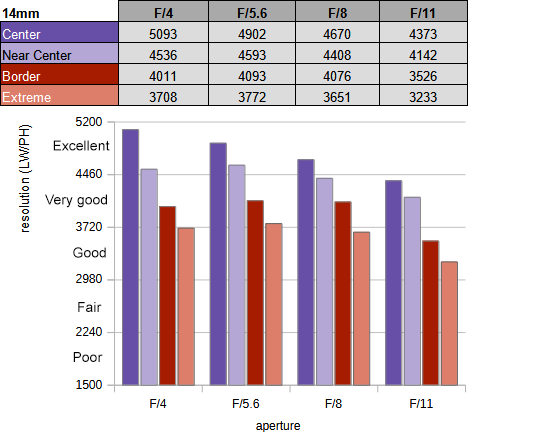
Distortion correction comes with a certain resolution penalty because the image is stretched. This isn’t overly significant at low to moderate distortions. However, the RF 14-35mm L breaches 5% at 14mm, so let’s take a look at the impact.
Note: The quality of distortion-corrected images depends to a degree on the RAW converter used.
As you can see below, the effect on the dead center quality is negligible, but it increases beyond. Even so, the borders remain very good. As is to be expected, the corner quality is most affected. It’s still good to very good at most settings.
Chromatic Aberrations (CAs)
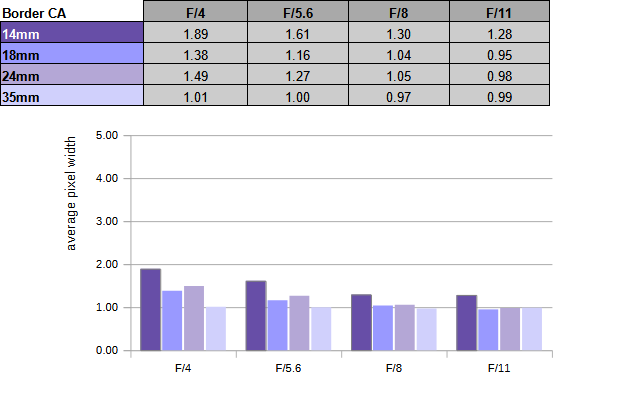
Lateral CAs are moderately high with an expected peak at 14 mm, where they reach an average CA pixel width of up to 1.9px at f/4 at the image borders. The CAs decrease the more you zoom out and stop down.
A good RAW converter should handle CAs with ease, though.
Sun-Stars
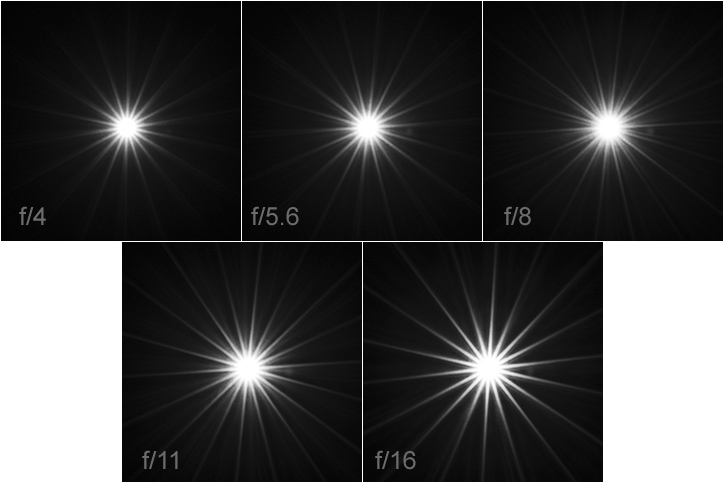
Sun stars (diffraction spikes) are an aperture effect that occurs at strong light sources – such as streetlamps in nighttime city scenes.
The Canon RF 14-35mm f/4 L USM IS has an unusual characteristic in that sunstars are already present at f/4. The aperture is typically perfectly circular at max aperture, but this doesn’t seem to be the case here. Furthermore, the spikes are already surprisingly defined at f/4. However, the effect is still best at f/11 and f/16.
It’s worth noting that Canon doesn’t list rounded aperture blades with this lens, so the “early” sunstars may have been a design choice (and there’s nothing wrong with this).
Competition
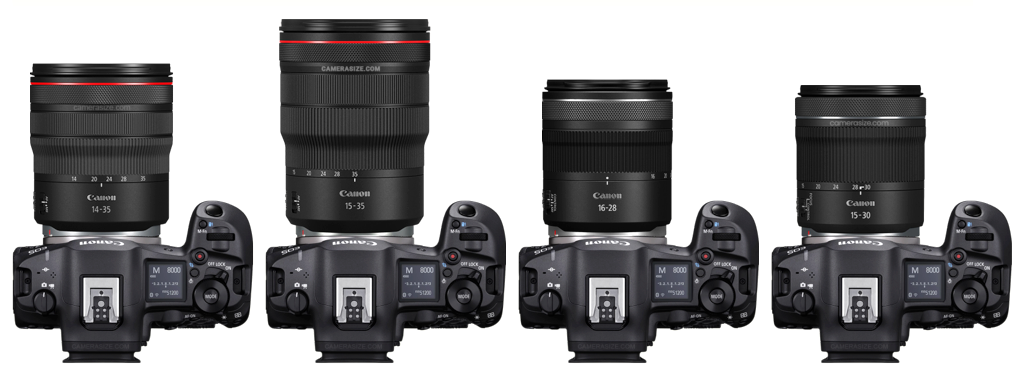
Full-format Canon users are confined to native Canon RF. However, there are still no less than 4 zoom lenses to choose from. Besides the RF 14-35mm f/4 L USM IS (far-left below), there’s the already mentioned RF 15-35mm f/2.8 L USM IS (2nd left), the RF 16-28mm f/2.8 STM IS (2nd from the right), and the RF 15-30mm f/4.5-6.3 STM IS. The latter is certainly the outlier in this group because it’s made to a budget and sold for around $500. We haven’t tested it, but it doesn’t seem overly impressive based on other reports. This is different with the RF 16-28mm. If it HAS to be an f/2.8 lens, it’s certainly an interesting choice. However, its retractable zoom design may not be to everybody’s taste. We haven’t tested this lens yet. Based on the more serious sources out there, it appears to be pretty good, so if you don’t insist on the L badge, it could be worth a look, although it costs basically as much as the RF 14-35mm /f4 L. The RF 15-35mm f/2.8 L USM IS is faster, but based on our testing, it’s not really better.
Sample Images


The Canon RF 14-35mm f/4 L USM IS is one of the best ultra-wide zoom lenses that we have tested to date. And that's quite an achievement given that the focal length range starts at 14mm. The image sharpness is consistently high across the zoom range with only a slight drop at 35mm f/4. Distortion correction does come at a cost at the 14mm setting, but even so, the results remain impressive. Speaking of autocorrection, the lens relies heavily on the vignetting and distortion compensation, but that's not unusual in this lens class. Lateral CAs are a bit elevated but not dramatically so. The sun star rendering is pretty nice and shows up "early". There are no surprises with the mechanical construction of the RF 14-35mm f/4 L. It follows the usual Canon design rules. Canon's engineering plastics for the lens body have this strange combination of feeling a little hollow while also being tough. Weather-sealing for professional uses has, of course, been added as well. The zoom action is a little unusual in that the lens extends towards the extreme ends. The Nano USM AF is certainly fast enough. Canon did somehow manage to integrate an optical image stabilizer into the lens, which is quite an achievement for a lens this wide. This helps with low-light photography despite the rather slow max. aperture of f/4. And unless you really need an extra stop in speed, the Canon RF 14-35mm f/4 L USM IS is an easy recommendation. If you'd like to support our work, please consider shopping for this or other lenses via one of the following partners: * Amazon US * Amazon Europe * B&H * Adorama * KEH (used gear)
The Good
- Generally very sharp
- Optical image stabilization in such a wide lens
- Quite compact and lightweight
The Bad
- Relies heavily on vignetting and distortion autocorrection
-
Optical Quality8
-
Build Quality8.5
-
Price/Performance8.5