


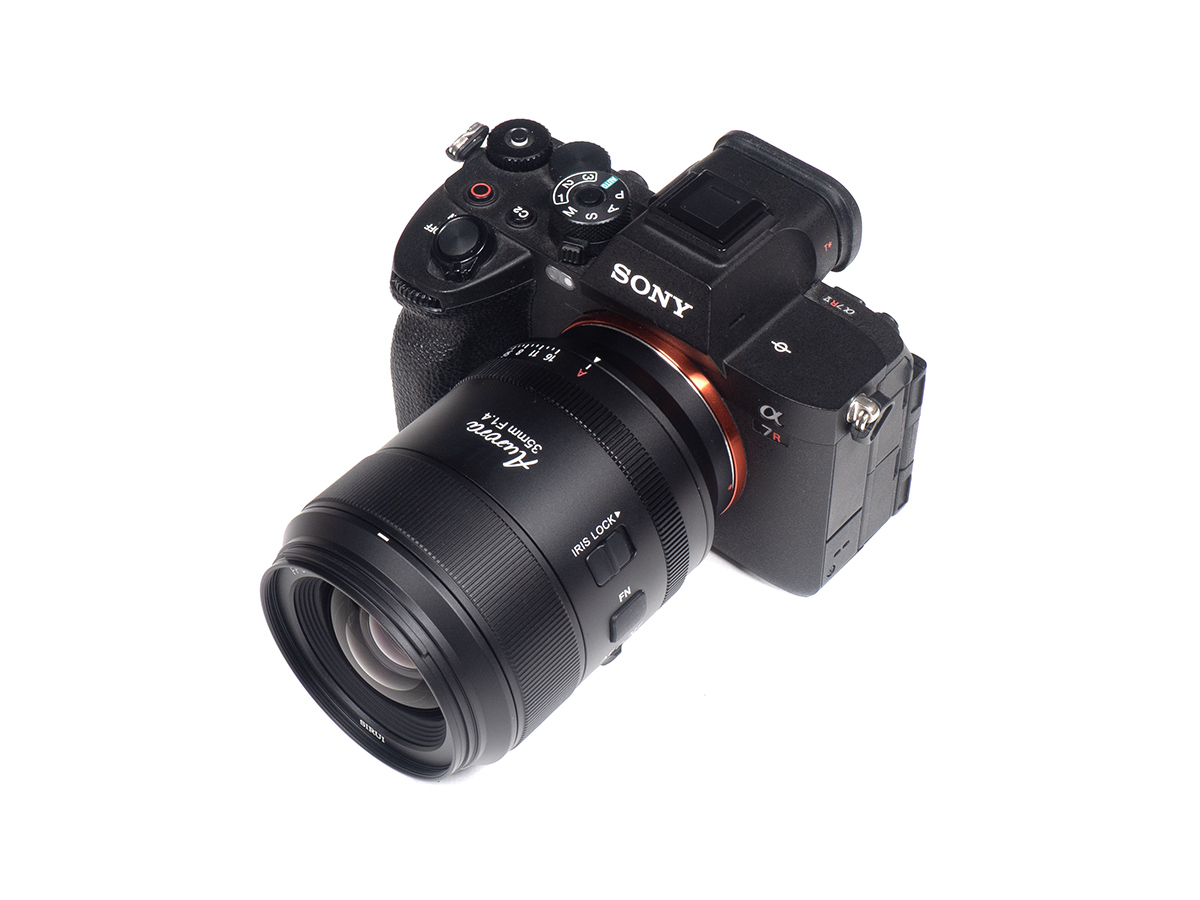
Recently, we reviewed the Sirui Aurora 85mm f/1.4 with pleasing results. There is another full-format AF lens in their lineup – the Sirui Aurora 35mm f/1.4; a fast moderate wide-angle prime lens. It is available for Sony E, Fujifilm X, L-mount, and Nikon Z and retails around $549 USD. Compared to OEM lenses, this is, once again, a very attractive value proposition, so let’s check it out.
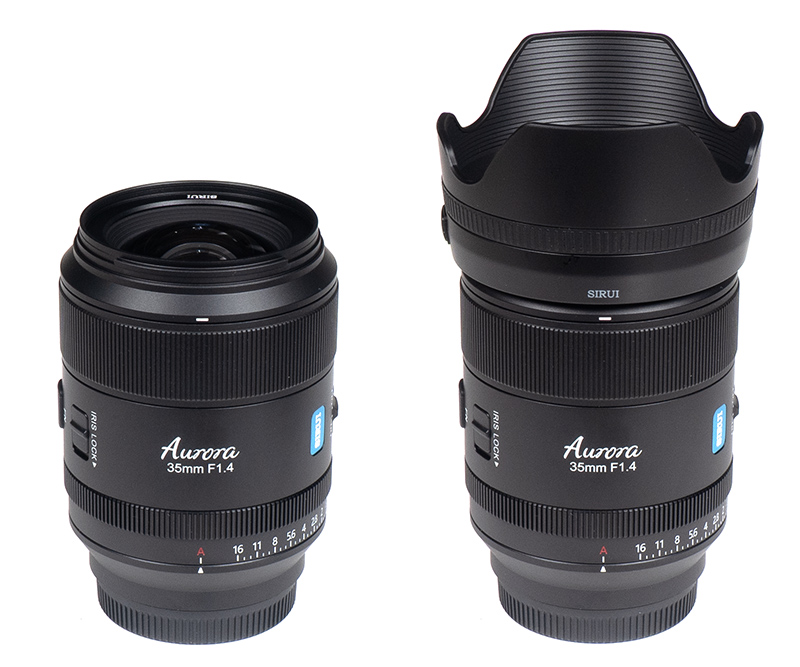
The build quality of the Sirui lens is certainly impressive. It’s a metal construction from the top to the bottom, including the control rings. Even so, it is comparatively lightweight. The focus ring turns smoothly, and the (de-clickable and lockable) aperture ring has a nice click action to it. Sirui has implemented extensive weather sealing as well as an anti-smudge fluorine coating on the front element. The lens also features a Fn button that defaults to AF lock. A deep, petal-shaped, plastic lens hood is provided. Firmware updates are possible via a USB-C port on the mount.
The 35mm f/1.4 uses a conventional STM (Stepping motor) for autofocusing. It’s fairly slow, thus not ideal for action photography. The lens exhibits focus breathing when focusing throughout the focus range.
| Specifications | |
|---|---|
| Optical construction | 16 elements in 11 groups (2x ED, 1x SED, 2x HRI, 3x aspherical) Fluoride coating |
| Number of aperture blades | 13 |
| min. focus distance | 0.35m (max. magnification 1:7.14) |
| Dimensions | Ø 76 x 102.9mm |
| Weight | 490g |
| Filter size | Ø 62mm |
| Hood | petal-shaped (bayonet mount, supplied) |
| Other features | dust- & raindrop-resistant de-clickable aperture ring aperture lock Fn button USB-C port for firmware updates |
| Mounts | Sony E, Fujifilm X, L-mount, Nikon Z |
Distortions
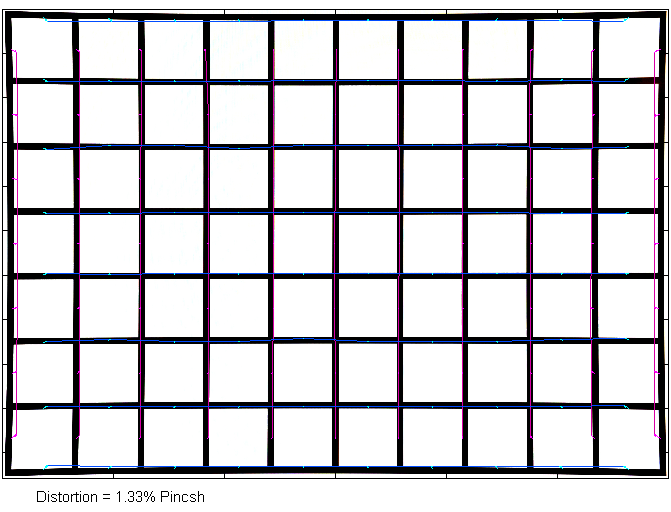
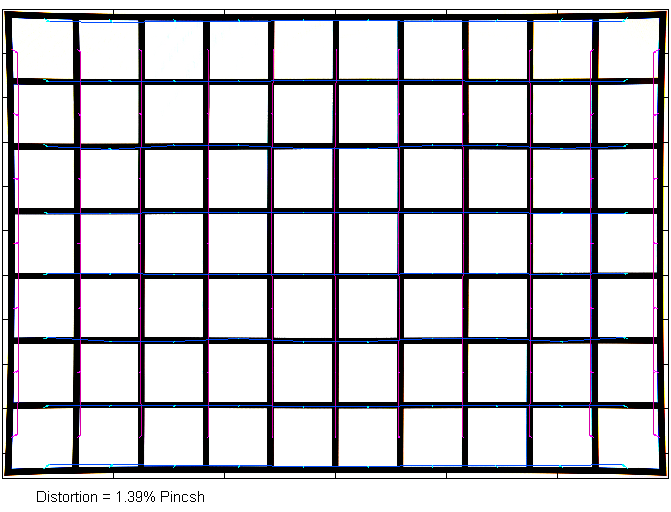
The Sirui Aurora 35mm f/1.4 produces a slight pincushion distortion (1.5%) in RAW images. There is no built-in correction profile. Sirui does provide a downloadable profile for Photoshop ACR, but this barely makes a difference here.
Vignetting
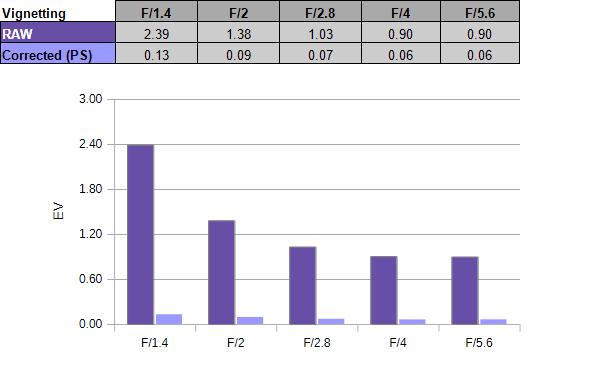
The RAW vignetting is high at ~2.4 EV (f-stops) at maximum aperture. However, this is rather typical for such a fast wide-angle lens. Stopping down to f/2 shaves off 1 EV (f-stop) and the light falloff settles just below 1 EV at medium aperture settings. This may still be noticeable in certain scenes, but it’s usually not an issue.
The already mentioned Photoshop profile is very aggressive and eliminates the light falloff completely.
MTF (resolution) at 42 megapixels
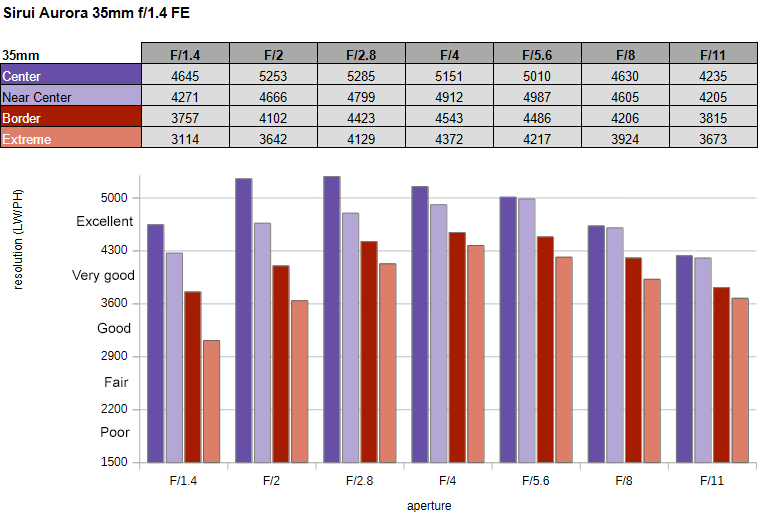
The Sirui Aurora 35mm f/1.4 produced very decent resolution results in the lab. The dead center is already excellent at f/1.4 and outstanding in the f/2 to f/4 range. The near-center quality is only slightly worse and already excellent from f/2. The border quality is very good at f/1.4 and reaches excellent levels from f/2.8. The corners are “only” good at f/1.4. Stopping down improves the quality until reaching the excellent peak at f/4. As usual, diffraction effects are the limiting factor beyond. However, in real life, you will only notice a slight drop in quality from f/11. f/16 should be avoided as usual.
The field curvature is quite low. The centering quality of the tested sample was good.
Please note that the MTF results are not directly comparable across the different systems!
Below is a simplified summary of the formal findings. The chart shows line widths per picture height (LW/PH) which can be taken as a measure of sharpness. If you would like to know more about the MTF50 figures, you may check out the corresponding Imatest Explanations.
Chromatic Aberrations (CAs)
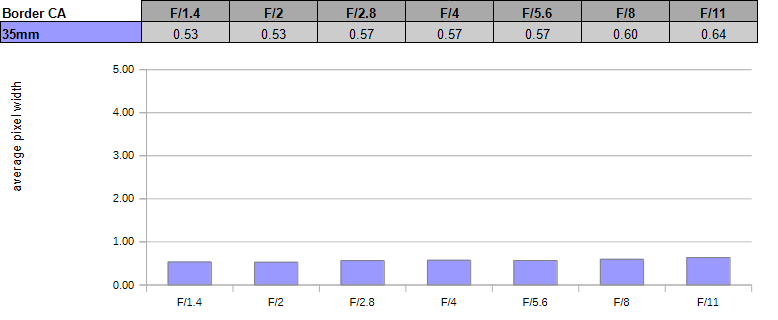
Lateral CAs are well-controlled with an average CA pixel width of around 0.5px at the image borders.
Bokeh
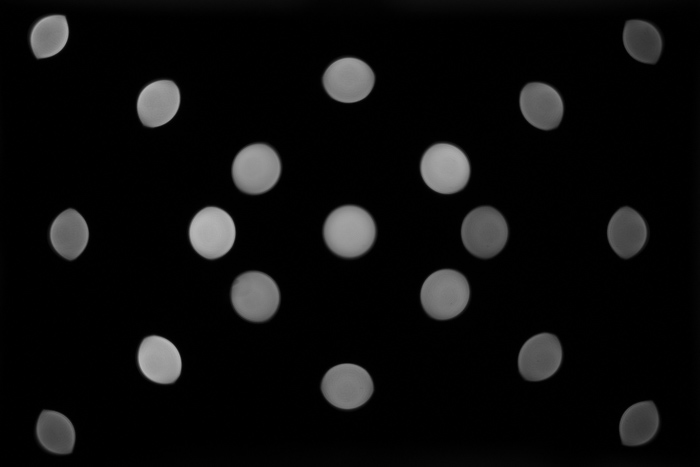
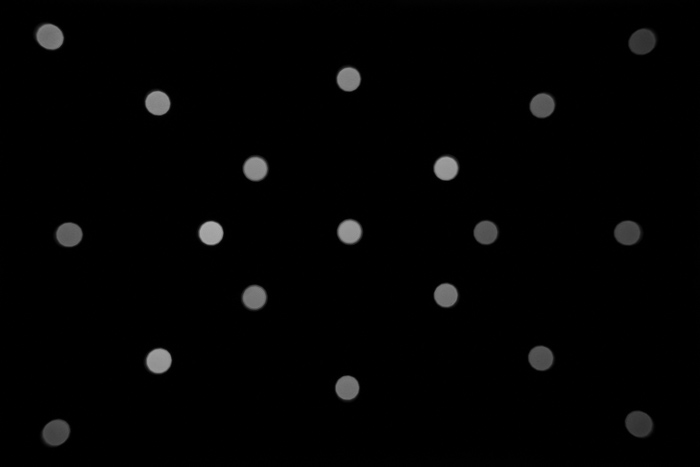
The inner zone of out-of-focus highlights is a bit “grainy”. However, the edge transition is very soft – at least at f/1.4. The circular shape remains intact at f/2 and mostly so at f/2.8. The 13 (!) aperture blades certainly help here.
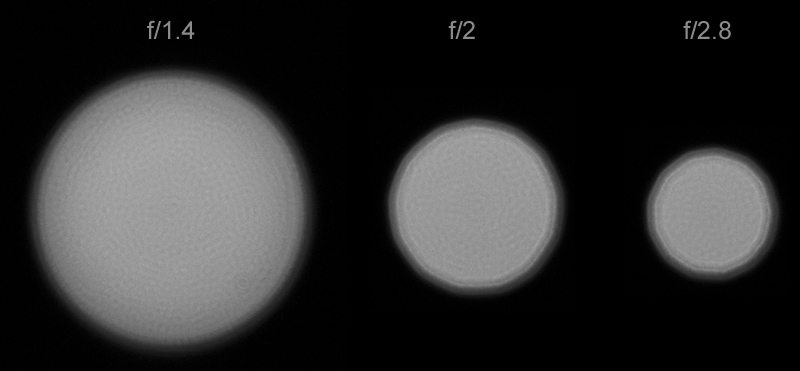
The Sirui Aurora 35mm f/1.4 has a comparatively small front opening (filter size 62mm) so it’s not surprising that there’s mechanical vignetting visible as “cat eyes” in the outer image field at maximum aperture. These outer discs also exhibit some outlining, which is not present in the center discs.
Surprisingly, the circular shape of the border/corner discs is almost restored at f/2 already.

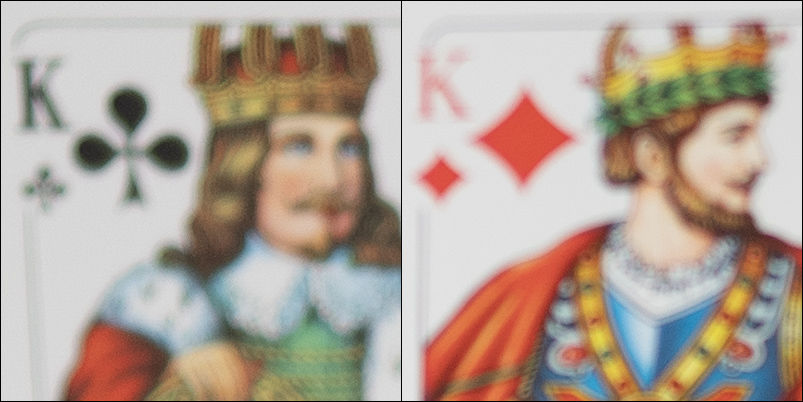
The rendering quality in the focus transition zone is generally decent for a lens in this class, although not perfect. You may notice that the harsher contrast transitions, e.g. in the “crowns”, are not smoothed out.
Bokeh Fringing / LoCA
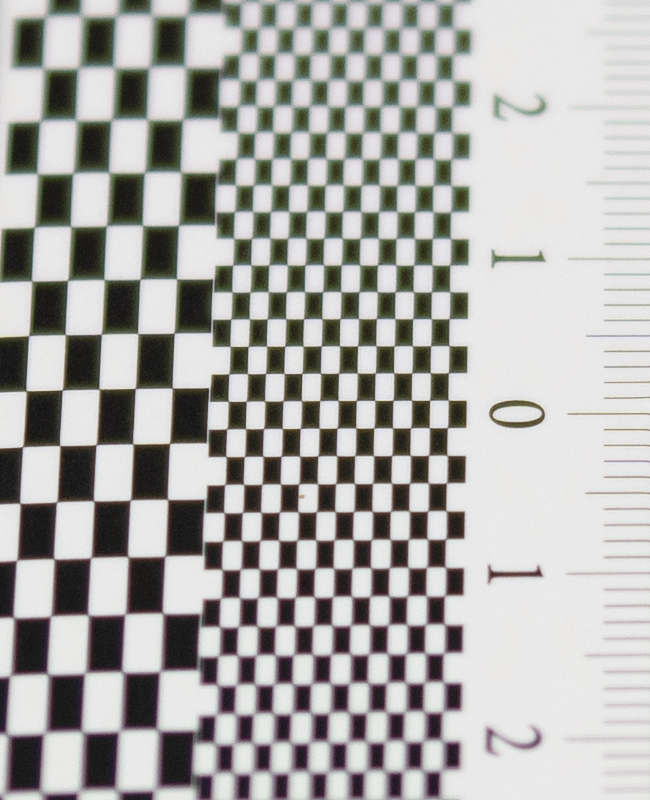
LoCAs, or bokeh fringing, is a color fringing effect on the Z-axis. It shows up with a purplish tint in front of the focus point and a greenish tint behind, and it’s nearly impossible to fully correct in post.
The Sirui Aurora 35mm f/1.4 does a decent job here, but some fringing – especially the greenish background halos – is easily visible at f/1.4. The fringing is gradually reduced the more you stop down, but traces remain at f/4.
You may notice that the focus point stays spot on, so there’s no focus shift. The in-focus details are also nicely sharp at maximum aperture (unlike on the Sirui Aurora 85mm f/1.4).
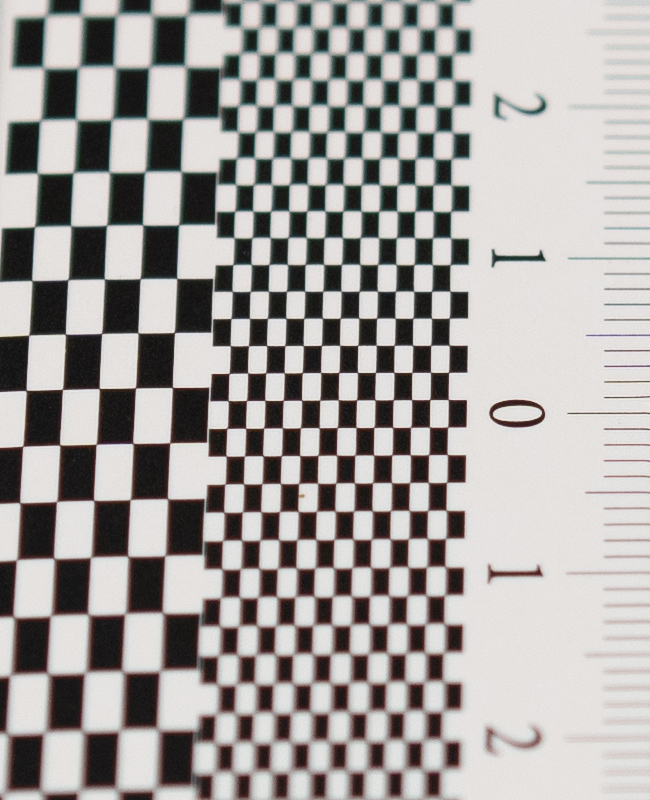
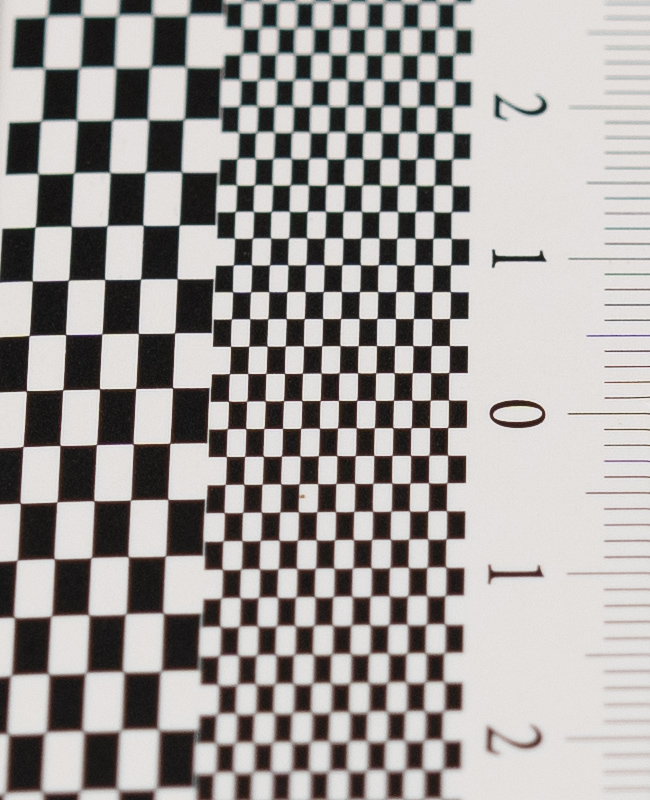
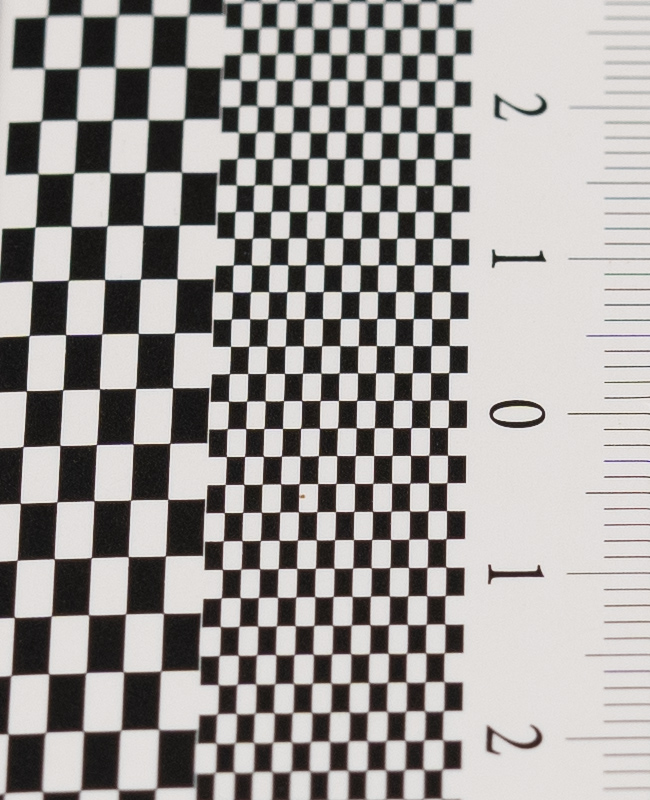
Competition
As almost always in Sony E-mount, there are many other 35mm f/1.4 to choose from. The most obvious one is Sony’s own FE 35mm f/1.4 GM lens, but it costs more than twice the price of the Sirui 35mm f/1.4. The same goes for the Sigma 35mm f/1.4 DG II Art. The Samyang AF 35mm f/1.4 P FE is comparable in price. However, we haven’t tested these other lenses so far.
Sample Images


The Sirui Aurora 35mm f/1.4 produced pleasing images during our field sessions with the lens, and this also confirms the very decent lab results. The broader center quality is already up there at f/1.4 and the outer image field is quite acceptable. Stopping down adds some extra bite, reaching superb quality around f/4. Lateral CAs are low, whereas axial CAs can be visible in certain scenes. Image distortions are well controlled. The vignetting is visible in critical scenes. Unfortunately, there's no built-in correction profile, although Sirui does provide one for Photoshop users at least (for vignetting correction only). Wide-angle lenses are usually not good at bokeh rendering. While not flawless, the Sirui lens does a decent job here, though.
The build quality is, once again, surprisingly good. The outer shell is made of metal, and everything is tightly assembled, and Sirui also implemented some sealing against the elements. The weakest mechanical aspect of the lens is the comparatively slow AF (STM) motor. There is also some focus breathing, which isn't ideal for videos.
The Sirui Aurora 35mm f/1.4 is very competitively priced, and given the optical and mechanical qualities, it's certainly a value recommendation.
If you'd like to support our work, please consider shopping for this or other lenses via one of the following partners:
* Amazon (US)
* Amazon (Europe)
* B&H (US)
The Good
- Nicely sharp even at f/1.4 and at close focus distances
- Impressive build quality
- Attractively priced
The Bad
- No built-in autocorrection profile
- The AF is somewhat slow
- Noticeable focus breathing
-
Optical Quality8
-
Build Quality8.5
-
Price / Performance10