


Introduction
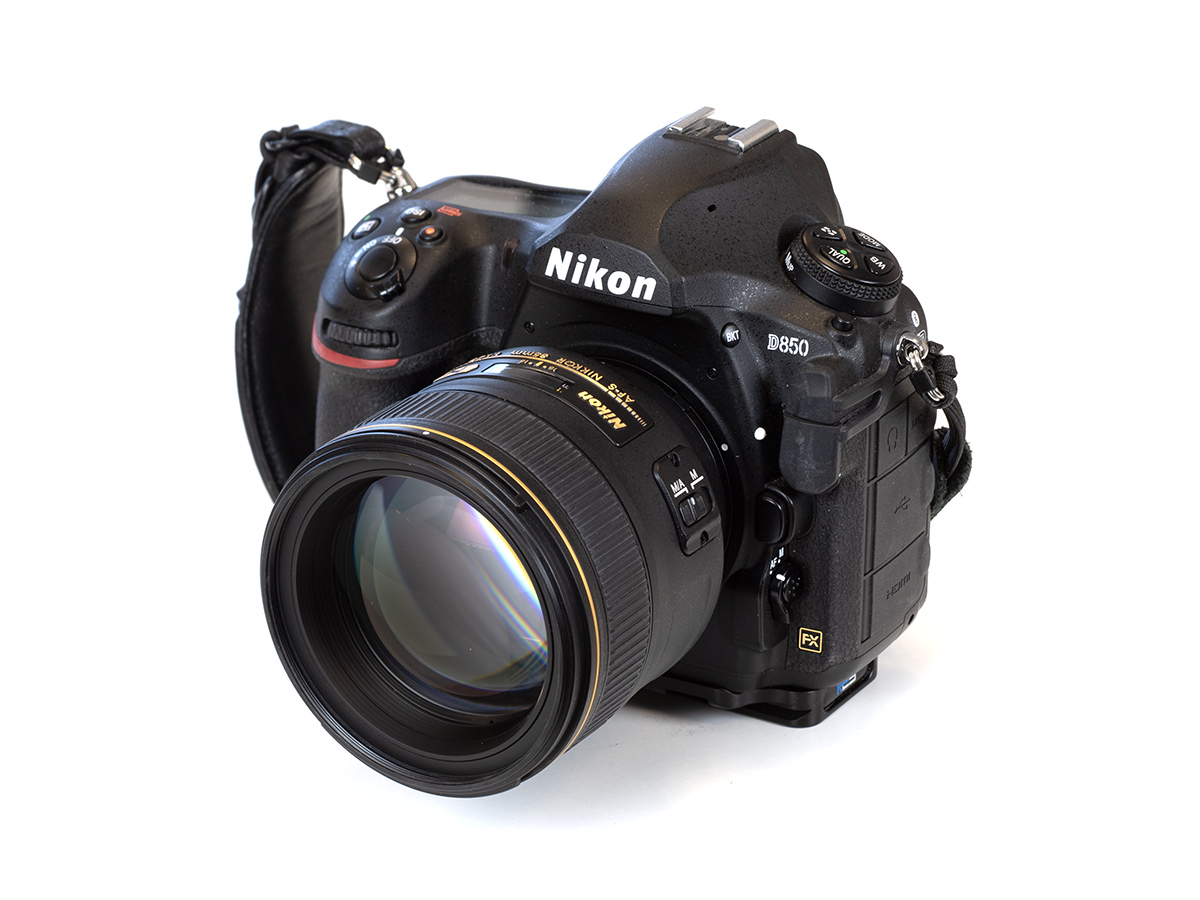
Let’s continue with the re-test of some older lenses in Nikon F-mount for a little while. On paper a 85mm prime is just a short tele lens, but for many photographers it’s a classic head-and-shoulder portrait lens. In almost any system these lenses are available in two forms: moderately fast (usually f/1.8) and, for that extra kick and of course also extra temptation, ultra-fast (f/1.4 or even faster).
The final incarnation of an 85mm f/1.4 in Nikon F mount is/was the Nikkor AF-S 85mm f/1.4 G. It features an AF-S drive as well as Nikon’s Nano Crystal Coat, a special glass coating that helps to reduce ghosting and flare in backlight conditions. Otherwise the optical design is fairly conventional with none of the special optical elements that you can find in more modern lenses.
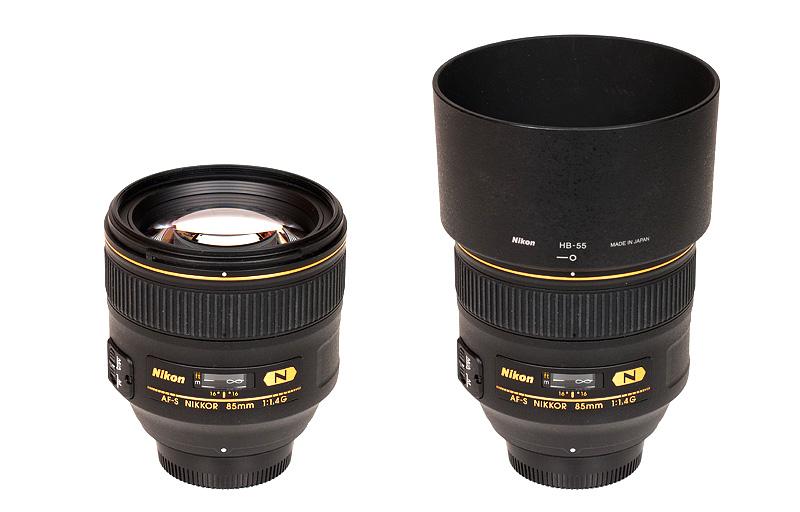
The AF-S 85/1.4 is designed with the professional photographer in mind, featuring a very solid construction mostly made of metal and a magnesium alloy outer lens tube. The metal mount comes with a rubber seal, but unfortunately that’s all the sealing you get. The rubberized focus ring is nicely damped and operates smoothly. We’re glad to report that the focus unit follows the focus ring immediately and without any delay, even when changing the focus direction. The AF-S 85 has a rear focus group so its length remains constant regardless of the focus setting and the front element does not rotate. It is a G-type lens and thus does not offer an aperture ring.
The lens features a Silent Wave ultrasonic drive allowing for near-silent autofocusing and manual override at any time. The AF speed is quite fast for a portrait prime.
| Specifications | |
|---|---|
| Optical construction | 10 elements in 9 groups Nano Crystal Coat |
| Number of aperture blades | 9 (rounded) |
| min. focus distance | 0.85m (max. magnification ratio 1:8.3) |
| Dimensions | 86.5 x 84mm |
| Weight | 595g |
| Filter size | 77mm |
| Hood | barrel-shaped (bayonet mount, supplied) |
| Other features | mount sealing |
| Mounts | Nikon F |
Distortion
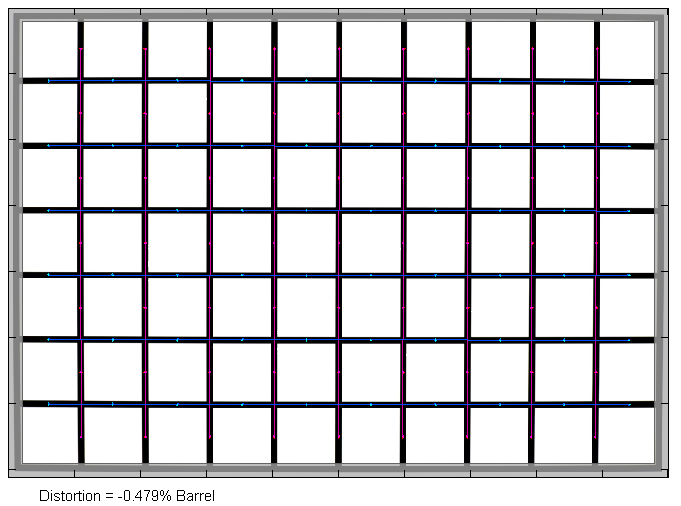
The lens shows a small amount of barrel distortion that is hardly relevant in real life.
Vignetting
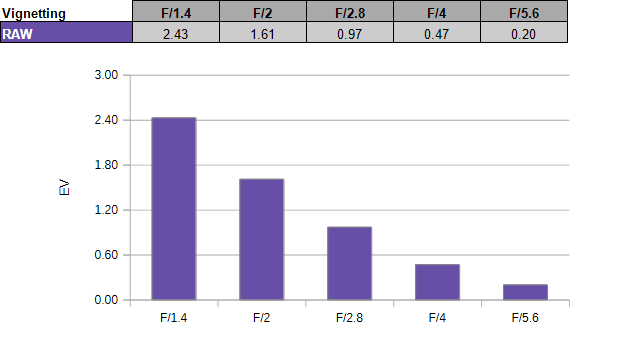
Fast lenses tend to suffer from high vignetting on full-frame cameras and the AF-S 85/1.4 is no exception to the rule. Wide open the corners darken visibly with a maximum light fall-off of almost 2.4 EV (f-stop) on the D850. Stopping down helps to reduce vignetting, but even at f/2 the amount of light falloff remains on a level that can be disturbing. From f/4 onwards vignetting is no longer field-relevant, except for really critical scenes.
MTF (resolution at 45 megapixels)
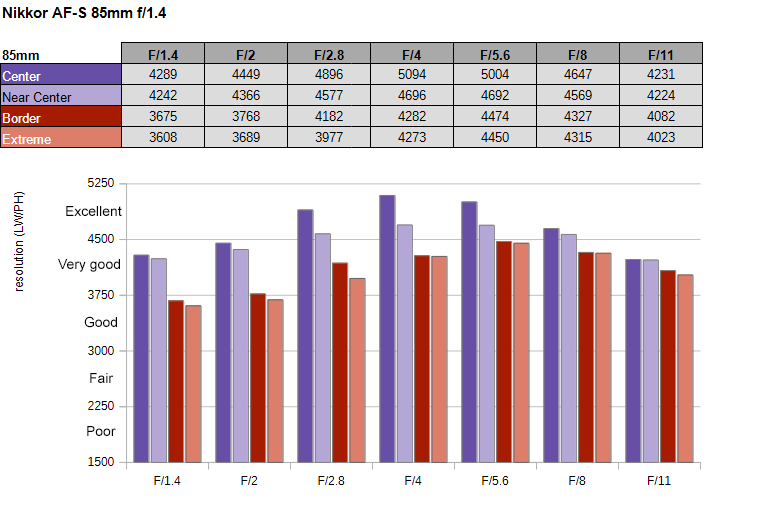
The broader center resolution is very good at f/1.4 and the borders/corners reach good results here. Stopping down to f/2 doesn’t change much but there’s an uplift in performance from f/2.8 onward. The center reaches excellent levels and the outer image field is very good. The impressive peak performance is reached between f/4 and f/5.6. Diffraction starts limiting the quality from f/8, though. f/11 remains perfectly usable.
Please note that the MTF results are not directly comparable across the different systems! Below is a simplified summary of the formal findings. The chart shows line widths per picture height (LW/PH) which can be taken as a measure of sharpness. If you would like to know more about the MTF50 figures, you may check out the corresponding Imatest Explanations.
Chromatic Aberrations (CAs)
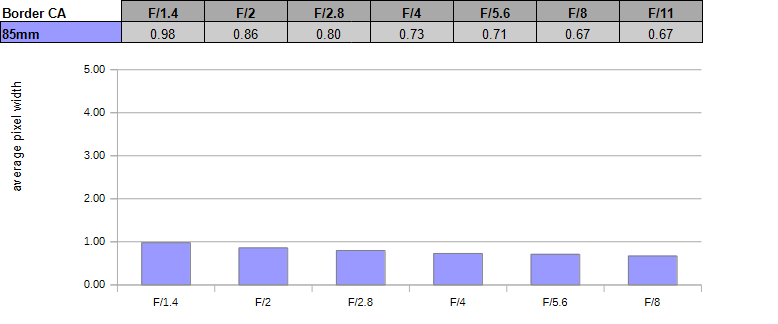
Lateral CAs (color shadows at harsh contrast transitions) are well controlled. They reach a maximum amount of 1 pixel on average at the image borders at f/1.4 and they decrease a bit by stopping down.
Bokeh
One of the primary usage scenarios for a large aperture lens is to separate the main subject from the background. In such an image the quality of the bokeh (out-of-focus blur) is of major significance.
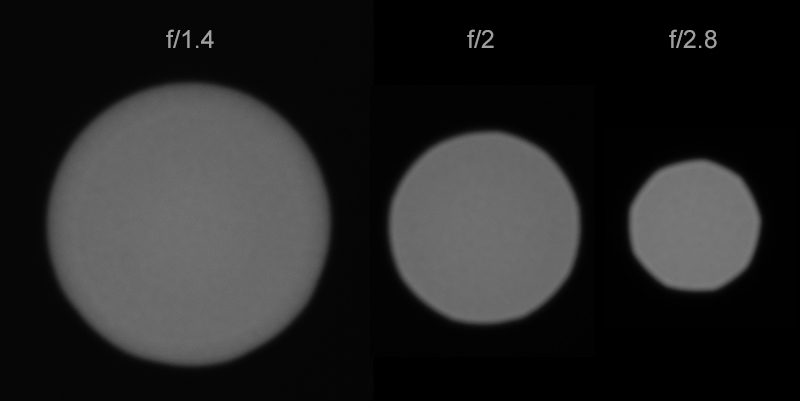
Thanks to 9 rounded aperture blades, the central background highlights retain their circular shape at f/1.4 and f/2. The more edgy aperture shape creeps in from f/2.8. The inner zone of the discs is exceptionally clean. At maximum aperture the edge of the disc is slightly feathered, which is what you want here.
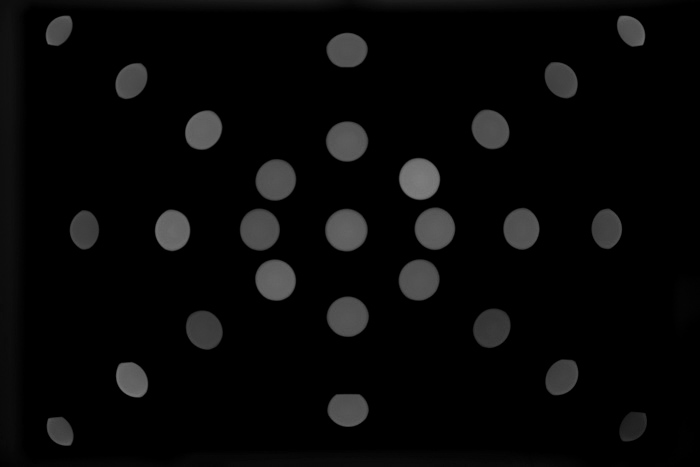
While central highlights are nicely circular, the same can’t be said about the discs from the midfield into the edges. At f/1.4 “cat eyes” are very obvious. Stopping down broadens the zone with perfect discs but the corner discs are only restored from f/2.8 onward.
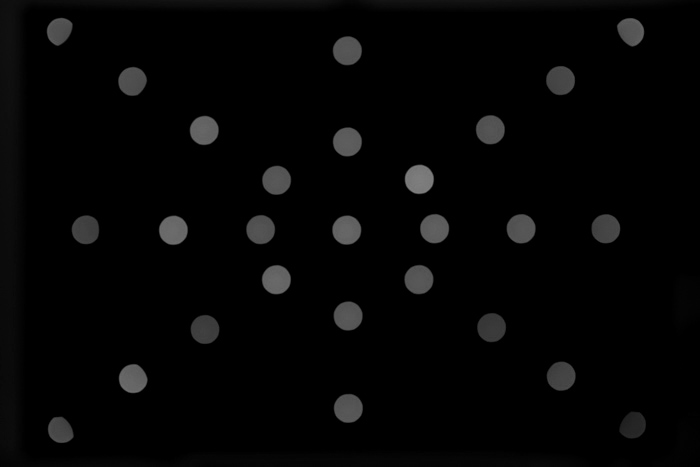
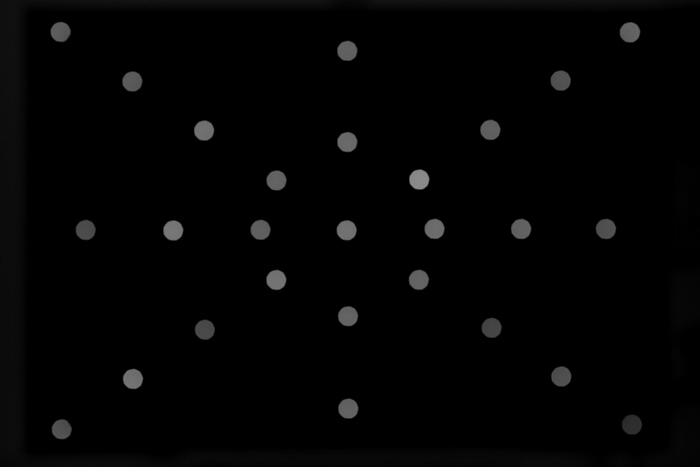
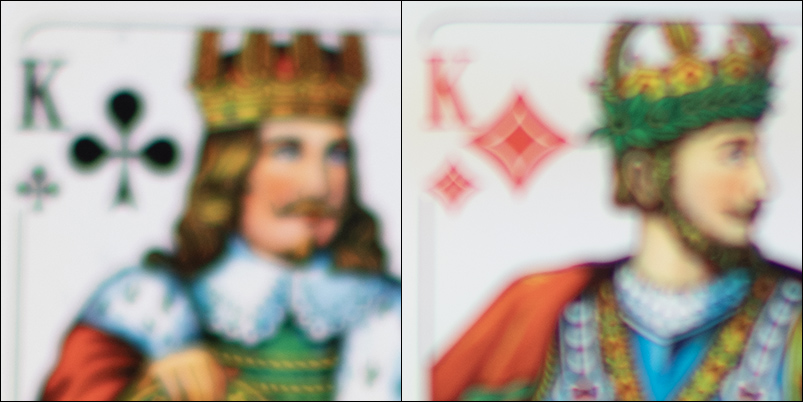
As you’d expect from a fast portrait lens the quality of blur is most important. It is smooth in the background (to the left below) and somewhat nervous in the foreground (to the right) of the focus transition zone.
Bokeh Fringing / LoCA
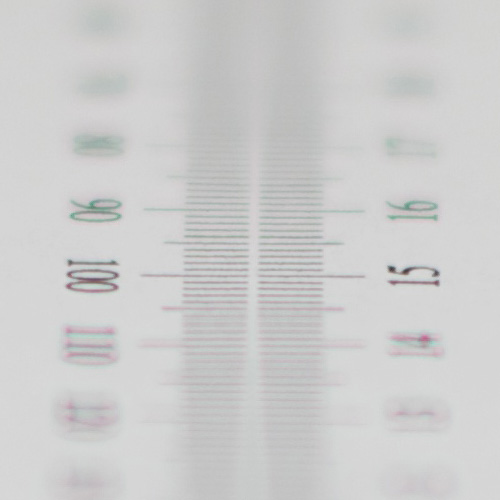
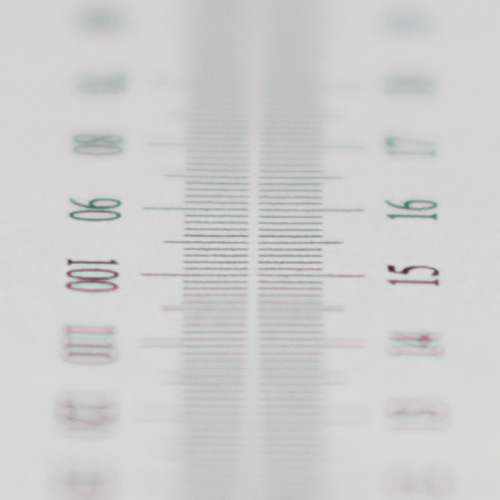
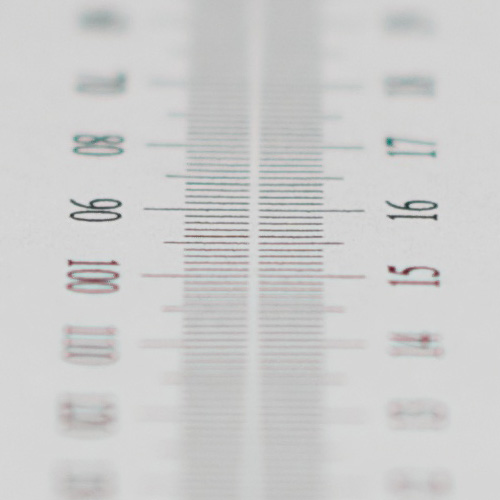
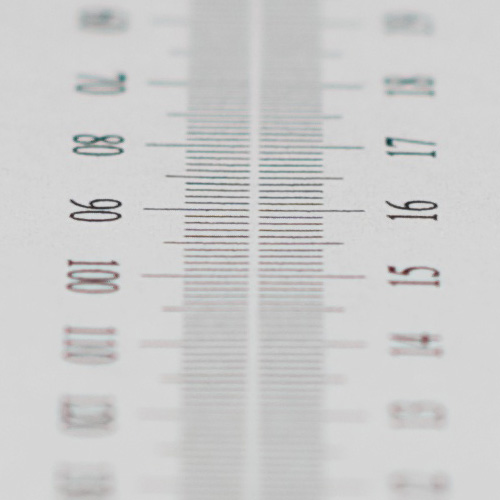
Bokeh fringing is a common issue with relatively fast glass. It’s visible as halos of different colors in out-of-focus areas – magenta (red + blue) in front of the focus point and green beyond.
Typical for most fast primes, especially ultrafast ones, the AF-S 85 shows very noticeable bokeh fringing at large aperture settings. This is not surprising given the fact that the optical system doesn’t use any special glass elements. Stopping down to f/2 doesn’t change much. The LoCAs are reduced at f/2.8 but still visible at f/4.
In addition, these shots also show a strong focus shift towards the rear when stopping down.
Sample Shots


The Nikkor AF-S 85mm f/1.4 G is quite an impressive lens. Sharpness is very high at f/1.4 and great at medium aperture settings. The border/corner performance is respectable at fully open aperture and it's very good to excellent at f/5.6. For the intended usage, portraiture, a lack of sharpness towards the borders and corners usually would not be an issue, but having the extra sharpness available opens up new creative options. Typical for a fast prime the amount of vignetting is high at f/1.4 and f/2. There's also strong bokeh fringing in critical scenes. CAs and distortion are well controlled, though. As you'd expect from such a lens, it offers a smooth bokeh.
The build quality is on a very high level. Thanks to an AF-S drive autofocus action is virtually silent and quite fast for a portrait lens. However, the weather-sealing is rather basic by modern standards.
The retail price of around $1000 is quite reasonable and overall, it remains a desirable lens, even on a 45-megapixel DSLR.
If you'd like to support our work, please consider shopping for this or other lenses via one of the following partners:
* Amazon (US)
* Amazon (EU)
* B&H (US)
* Adorama (US)
* KEH (used gear, US)
The Good
- Nicely sharp at f/1.4, great at f/4 to f/5.6
- Smooth background bokeh
The Bad
- Strong LoCAs at large aperture settings
- Focus shift when stopping down
-
Optical Quality8
-
Build Quality8
-
Price Performance8