


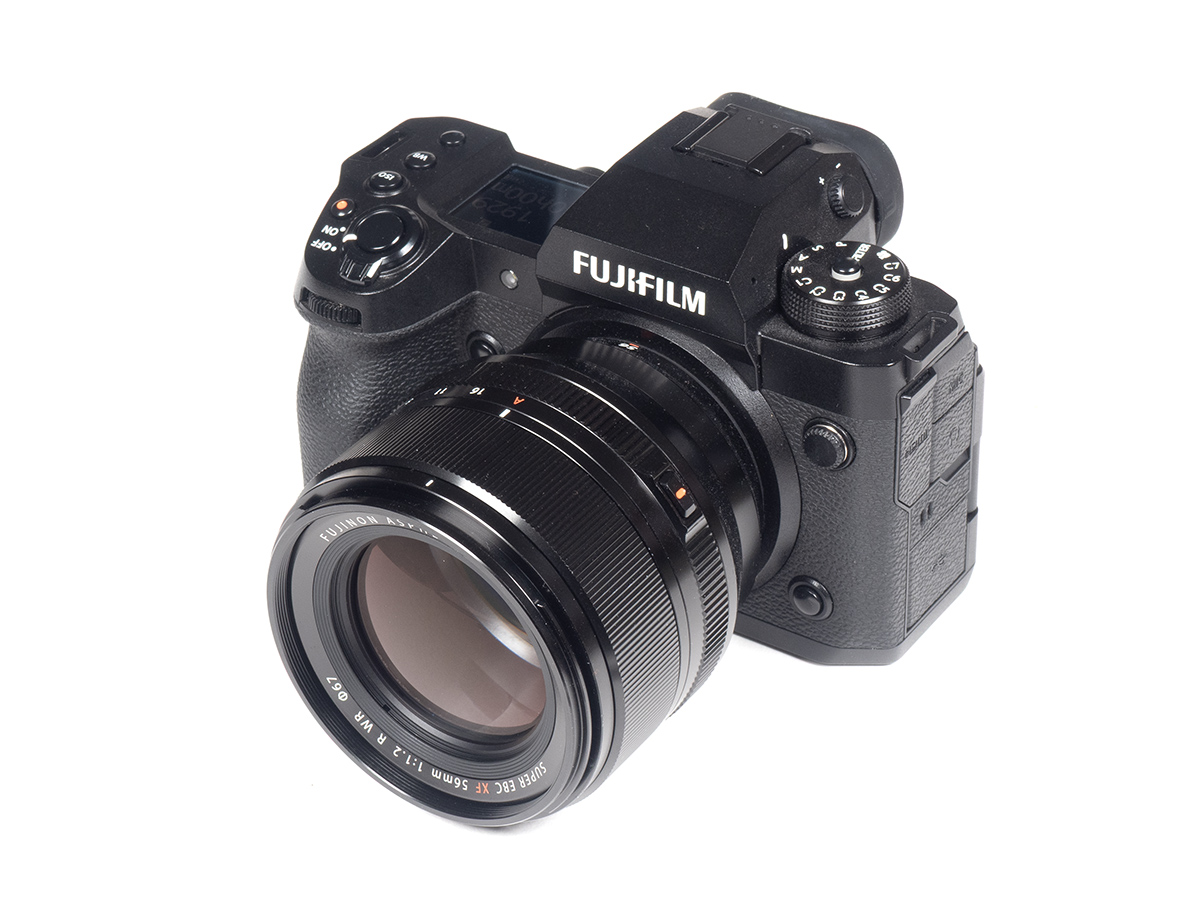
The Fujifilm XF 56mm f/1.2 R WR Lens is a mid-telephoto prime lens. With a 56 mm focal length (equivalent to roughly 85 mm on full-frame), it sits in a classic portrait-oriented range. The optical layout includes multiple aspherical and low-dispersion elements and an 11-blade diaphragm. The barrel incorporates sealing against dust and moisture and is rated for operation in cooler conditions. Priced at around $1100 USD, it isn’t exactly an affordable lens, but OEM lenses this fast are rarely cheap.
This WR (weather-resistant) version succeeds the earlier Fujifilm XF 56mm f/1.2 R (non-WR) in the XF lineup. Compared with the predecessor, the updated model has:
- A redesigned optical formula with a different arrangement of glass elements and an 11-blade diaphragm, replacing the older 7-blade design.
- A closer minimum focus distance of 50cm vs 70cm
- DC AF motor with an added bearing mechanism vs the earlier micromotor system.
- Weather resistance with multiple seals incorporated into the barrel.
- filter thread diameter (67 mm vs 62 mm)
The build quality hasn’t changed, though. The lens feels solid, and the focus ring is smooth. The aperture ring has a nice click action to it. As you can see below, a deep plastic lens hood is provided.
The real surprise here is the AF motor in this 2nd version. Fujifilm may have tried to improve it, but that’s not really all that obvious in real life. The AF motor still “purrs” and isn’t really a speed master. This is also weird because Fujifilm improved other lenses released around the same time in this respect – e.g. the XF 23mm f/1.4 R LM WR has a much better linear AF motor.
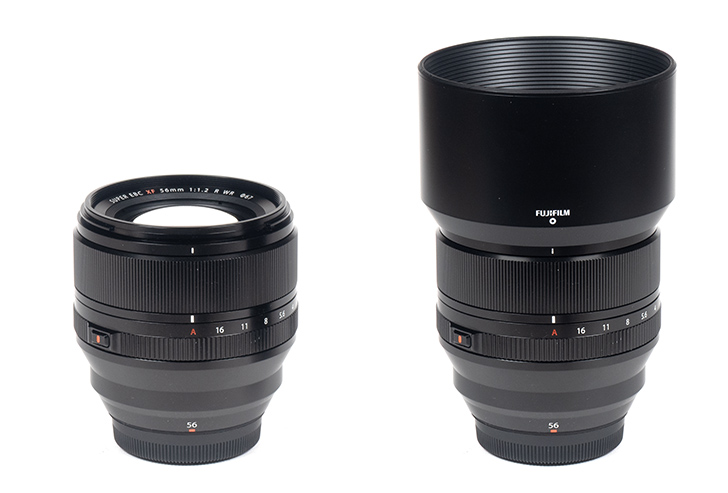
| Specifications | |
|---|---|
| Equiv. focal length | “85mm” (full format equivalent) |
| Equiv. aperture | “f/1.8” (full format equivalent, in terms of depth-of-field) |
| Optical construction | 13 elements in 8 groups (1x ED, 2x aspherical) |
| Number of aperture blades | 11 (circular) |
| min. focus distance | 0.5m (max. magnification ratio 1:7) |
| Dimensions | 79.4 x 76mm |
| Weight | 445g |
| Filter size | 67mm |
| Hood | barrel-shaped (bayonet mount, supplied) |
| Other features | weather-sealing aperture ring |
Distortion
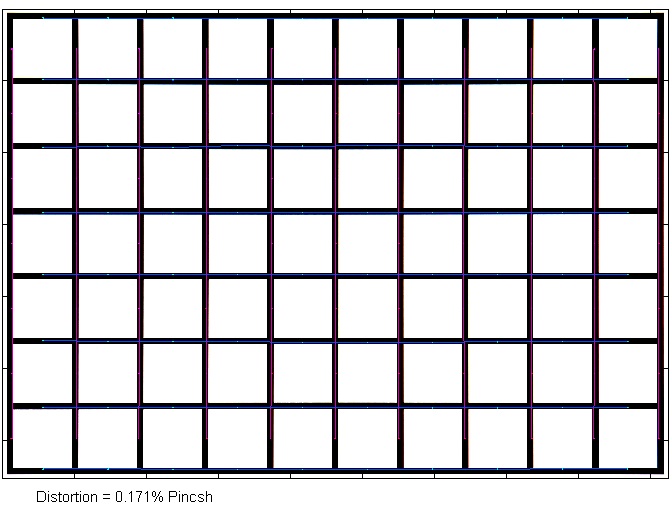
The produced distortion of the Fujinon is marginal at just under 0.2%. This applies both to auto-corrected images as well as uncorrected RAW files. Apparently, Fujifilm didn’t even bother to provide an auto-correction profile here.
Vignetting
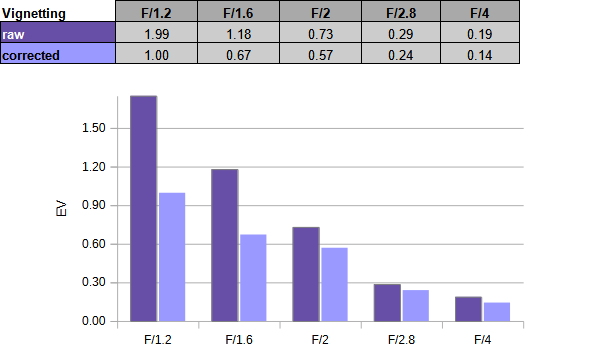
The light falloff is a different story. In RAW mode the vignetting is heavy, with a peak of 2EV (f-stops) at f/1.2. The issue is already much improved at f/2 and essentially negligible from f/2.8 onwards.
In auto-corrected JPEG mode, the camera digitally corrects the vignetting down to 1EV (f-stop) at max. aperture and 0.7EV at f/1.6 and a bit less so at f/2. Once again, the light falloff is basically gone from f/2.8.
MTF (resolution)
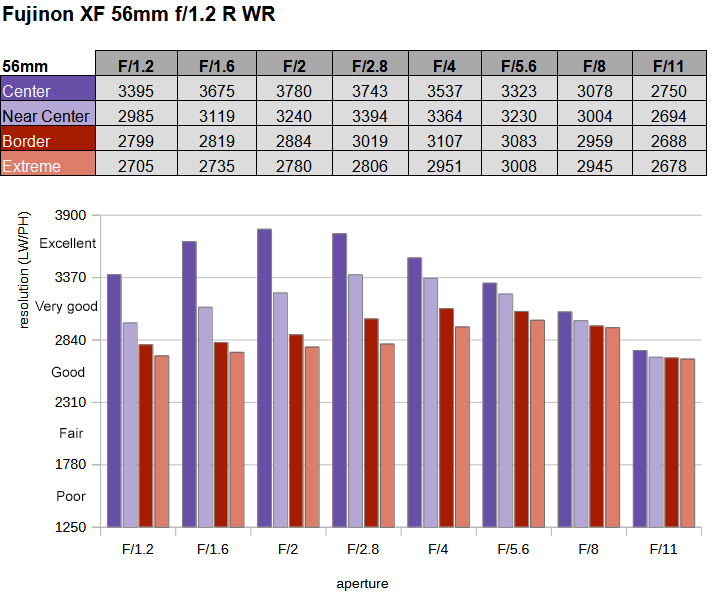
The Fujinon XF 56mm f/1.2 R WR has been clearly improved over its predecessor. The center resolution is very good to excellent at f/1.2. There’s a noticeable drop just outside the dead center. The outer image field stays pretty good, though. The center receives a boost at f/1.6 and a bit more so at f/2. The best quality is reached around the f/4 mark. The excellent center quality may have dropped marginally, but the outer image field is very sharp. Diffraction is limiting the center quality from here. f/11 remains usable, less so f/16 (not shown).
The centering quality of the tested sample was fine. The field curvature is slightly wobbly.
Please note that the MTF results are not directly comparable across the different systems!
Below is a simplified summary of the formal findings. The chart shows line widths per picture height (LW/PH) which can be taken as a measure for sharpness. If you are keen to know more about the MTF50 figures, you may check out the corresponding Imatest Explanations
Chromatic Aberrations (CAs)
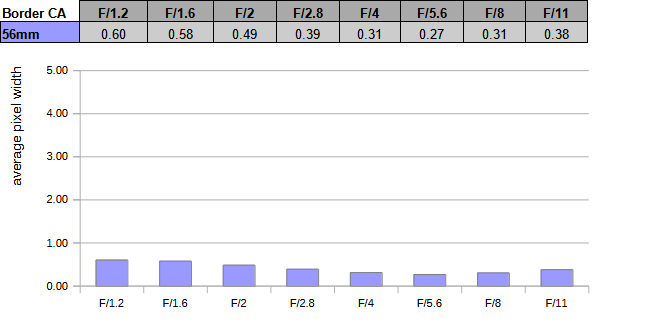
Lateral CAs (color shadows at hard contrast transitions) are low with an average pixel width of around 0.5px at the image borders. This can be considered negligible.
Bokeh
You don’t really invest in a fast prime lens only for its sharpness, the bokeh at large aperture settings is just as important.
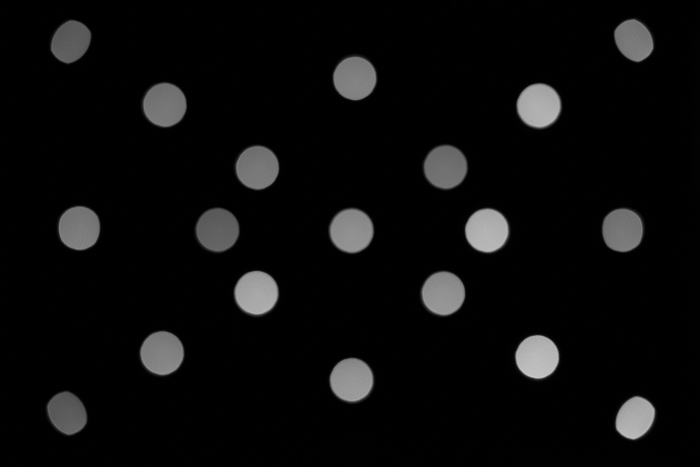
The Fujinon does a good job regarding out-of-focus (background) highlights. The center discs are circular between f/1.2 and f/2.8. The inner zone of the discs is slightly nervous—probably courtesy of the two aspherical elements in the optical design. There’s also a slight rim outlining.
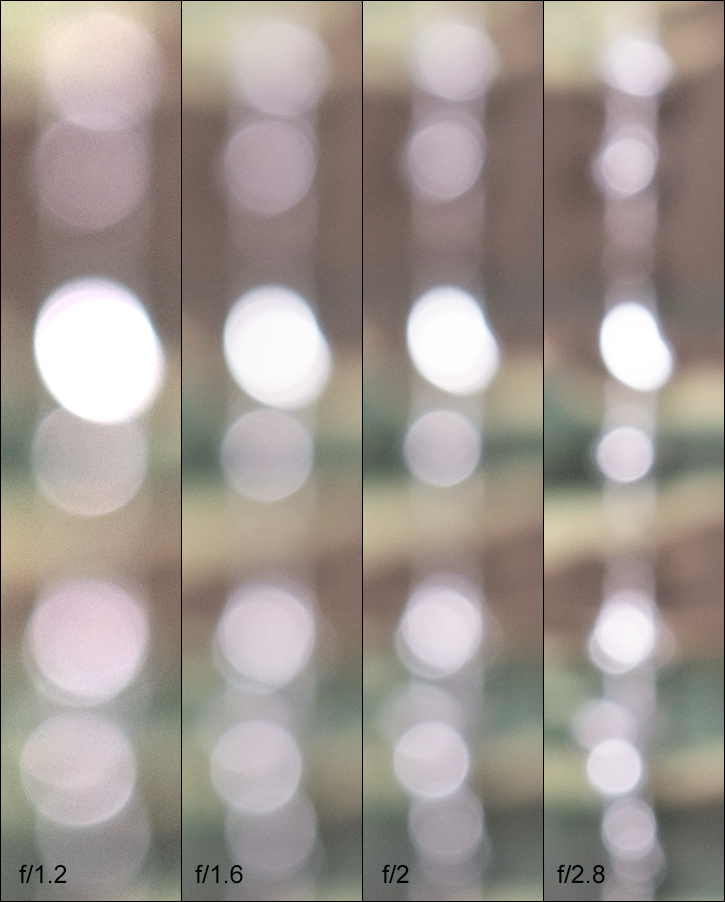
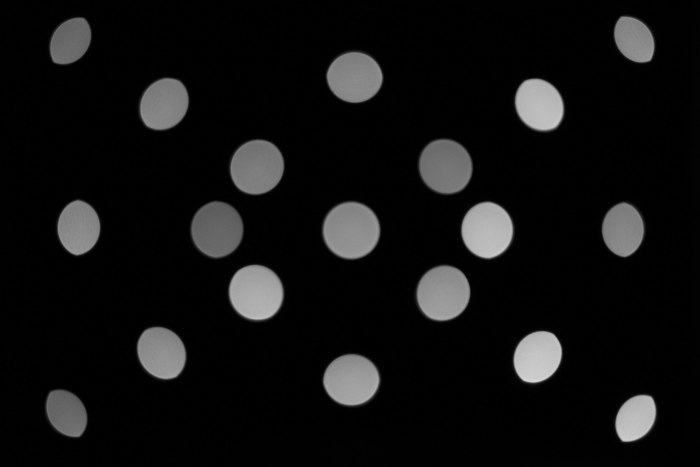
There’s the usual deterioration of the discs towards the corners, as you can see below. The edge highlights show a slight “cat eye” effect. Stopping down “corrects” the discs, and they are back to their circular shape from f/2 – which is quite “early”.


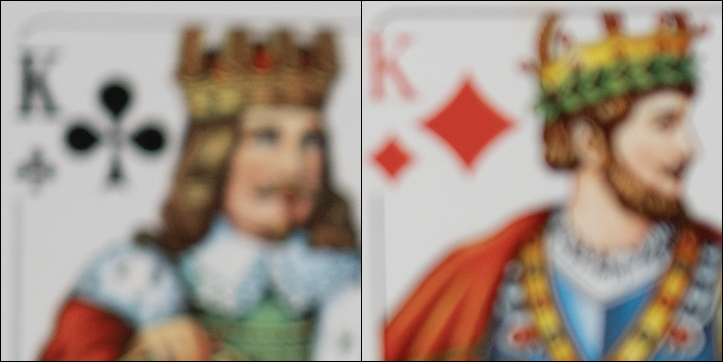
The rendering in the focus transition zone is mixed. The background blur – shown to the left below – is smooth. The less critical foreground blue is a bit “shadowy”.
Bokeh Fringing / LoCA
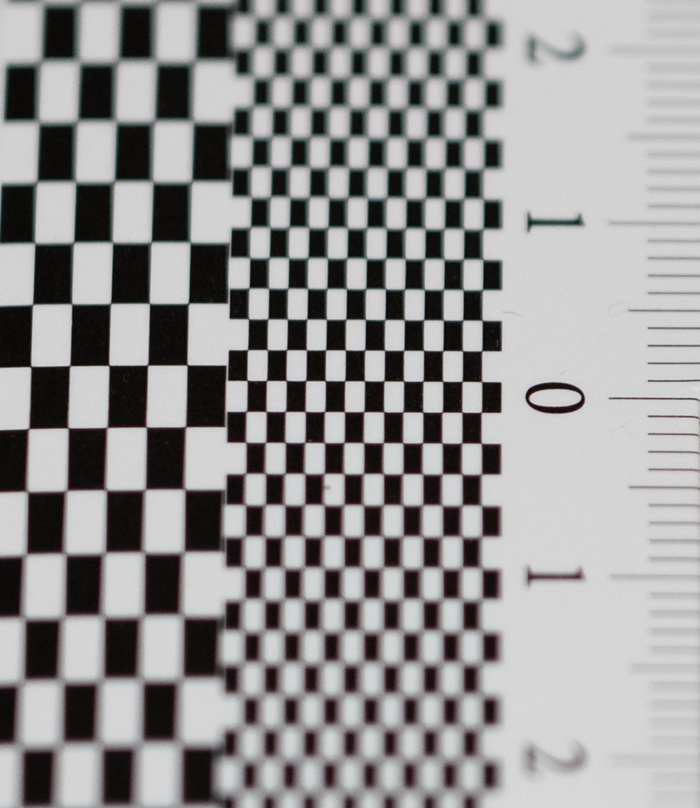
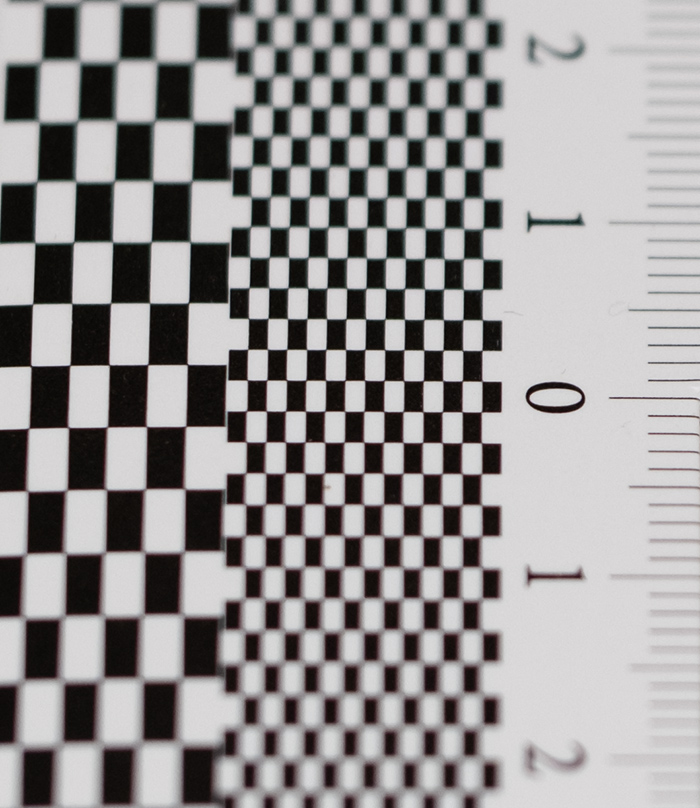
Bokeh fringing is an axial color fringing effect. It can show up as purple halos in front of the focus point and greenish halos in the background.
Just like most ultra-large aperture lenses, the Fujinon is also affected, but the LoCAs remain comparatively moderate. They are slightly visible at f/1.2 and f/1.6, but there are only traces left from f/2 onward.
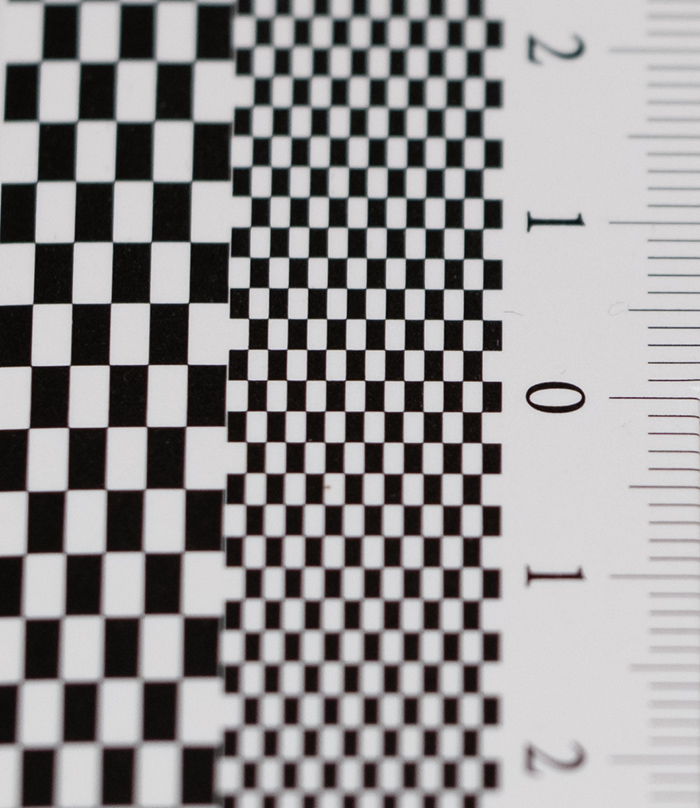
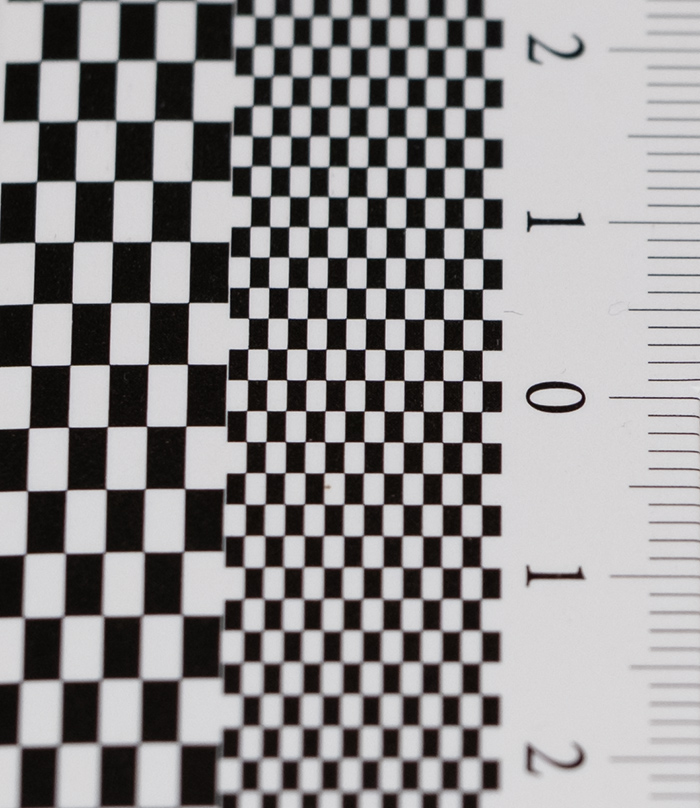
Competition
The times when Fujifilm solely owned the space are gone, so the XF 56mm f/1.2 R WR is no longer without competition. There are two obvious alternatives – the Viltrox AF 56mm f/1.2 PRO XF and the Sigma 56mm f/1.4 DC Contemporary. The Sigma is almost an oldie by now, but it’s affordable and a very solid performer. Its maximum aperture may not match the Fujinon, but at less than half the price tag, you should ask yourself whether you really need the bit of extra speed. And even if you need the speed, the Viltrox AF 56mm f/1.2 PRO XF can still give you this at a much lower price tag and with a modern AF motor. On the more exotic side, there’s also the Sirui Sniper 56mm f/1.2. It’s still an AF lens at less than 1/3rd of the cost of the Fujinon, but we haven’t reviewed the Sirui yet.
Sample Shots


The Fujinon XF 56mm f/1.2 R WR is a welcome evolution over its predecessor. While the old non-WR version was pretty good already, the WR is sharper. It's more than just usable at f/1.2 and impressive when stopped down a little bit. Lateral CAs are low, and axial CAs (LoCAs) aren't a big concern either. Image distortions are nothing to worry about. The original vignetting is on the high side but is well auto-corrected. The quality of the bokeh is good.
Mechanically, there isn't really too much that has changed. On the positive side, it still feels very solid, and it's commendable that they added weather sealing. However, it's a bit of a mystery why Fujifilm didn't really manage to lift the AF to the next level. It's still noisy and comparatively slow. Sure, you won't need lightspeed AF for portraits and still life, but this doesn't change the fact that the AF feels dated.
Overall, it's still an easy recommendation for Fujifilm users, but it's no longer undisputed.
The Good
- Very sharp for a lens this fast
- Nice build quality
The Bad
- The AF is still slow and noisy
- RAW vignetting on the high side at f/1.2
-
Optical Quality
-
Build Quality
-
Price / Performance